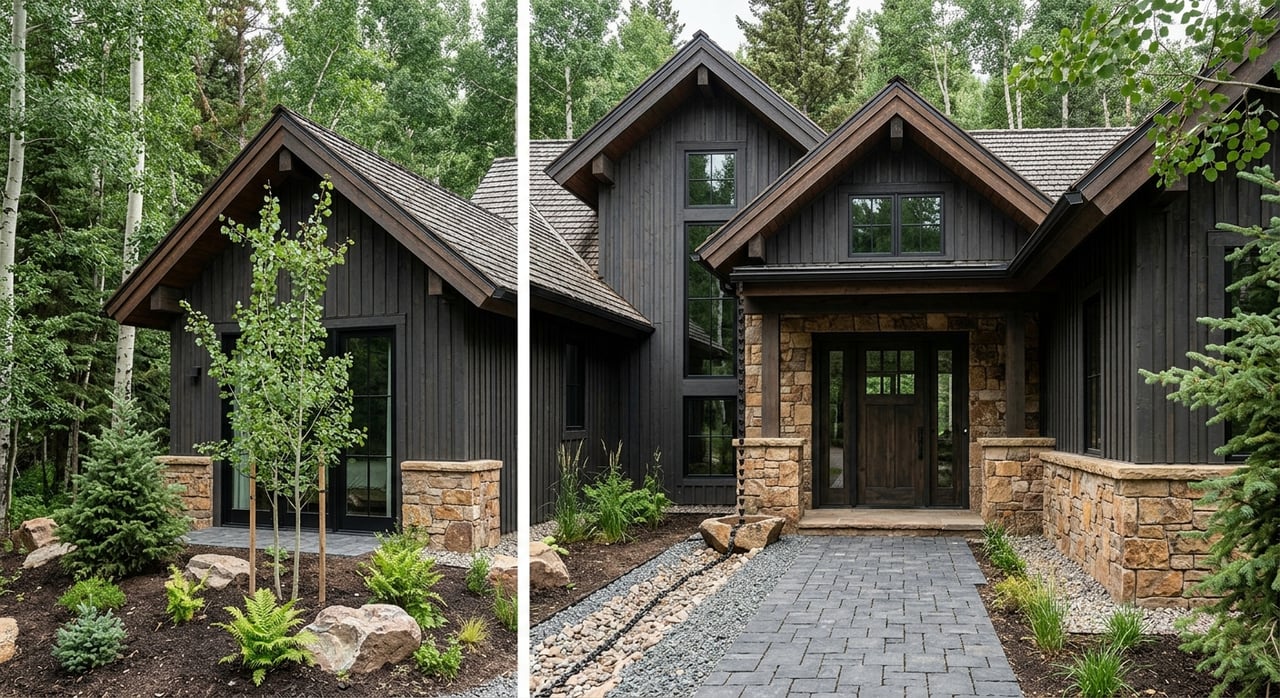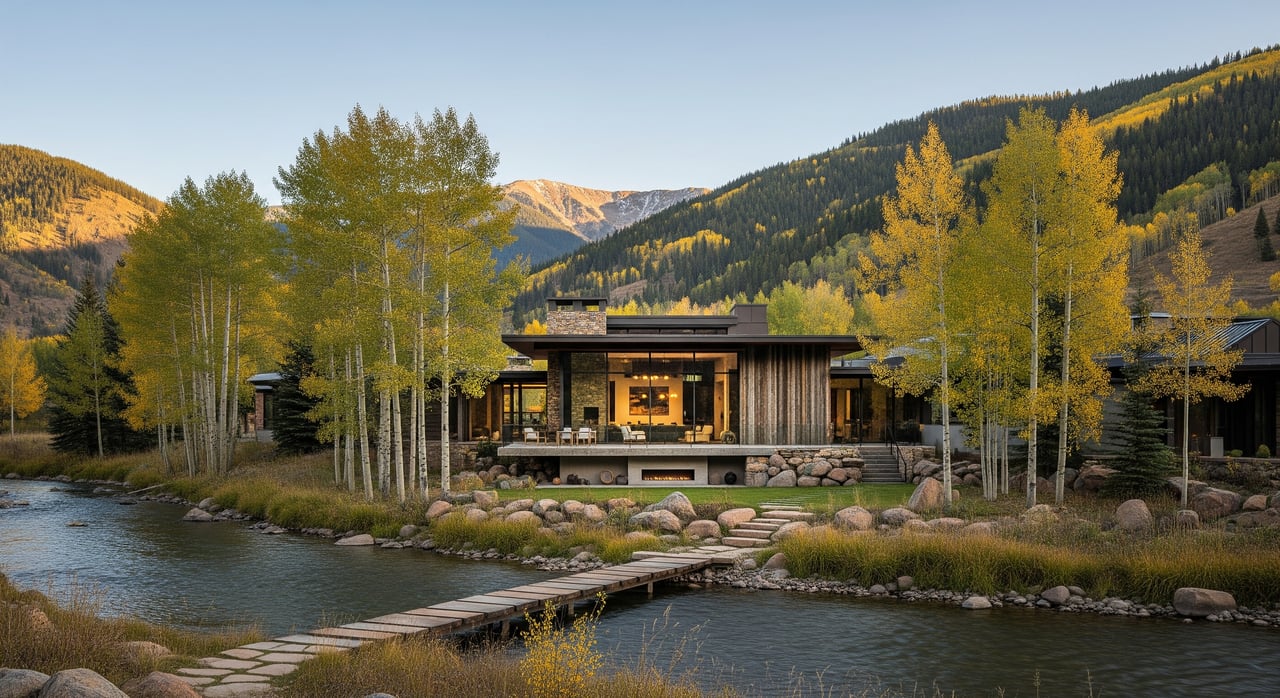
Why does Basalt feel like two different real estate markets depending on the time of year? If you have noticed spring weekends buzzing with showings and winter months moving at a quieter pace, you are not imagining it. Basalt’s housing market follows the mountain-resort rhythm, shaped by ski season, summer recreation, school calendars, and short-term rental dynamics. In this guide, you will learn how seasonality works here, what to expect each month, and how to time your move for the best outcome. Let’s dive in.
Why Basalt’s market shifts by season
Mountain resort calendar
Basalt sits between major resort hubs, with ski season typically running late November through April and a lively summer outdoor season. Those cycles influence who is in town, how often people can tour homes, and when second-home buyers and investors are most active. As ski and summer demand rise, you tend to see more interest in listings, especially properties with strong recreation access.
Who buys and when
You will see a blend of year-round residents, second-homeowners, and investors throughout the year. Out-of-area buyers often explore in late spring and summer when travel is easier and the landscape shines. Local transactions can carry more weight in quieter months, especially when families align moves with the school calendar.
Inventory and construction cycles
Listing activity and construction schedules concentrate in spring and summer. Better weather supports professional photos, exterior prep, inspections, and repairs. The result is a noticeable inventory bump as snow recedes, which gives buyers more choice and provides sellers a broader audience.
Short-term rentals and rules
Short-term rental performance peaks during ski season and summer, which can pull investors into the market. Local permitting, zoning, and program updates also shape investor decisions by influencing projected income and operating costs. Staying current on rules matters because policy shifts can affect both pricing and timing.
Events, schools, and access
Summer festivals, river recreation, and Aspen-area cultural calendars invite more in-person tours. Families often aim to move between school years, which reinforces the summer surge. Winter weather and road conditions can limit showings, while clear spring and summer access encourages travel and activity.
Month-by-month expectations
Spring (March–May): rising inventory and faster deals
Spring is when new listings accelerate and many buyers who paused over winter step back in. You can expect more showings, stronger curb appeal as snow melts, and better light for photography. Desirable homes may see multiple offers or shorter days on market than in winter. If you want prime exposure, listing early to mid-spring is often a smart move.
Summer (June–August): peak activity and visibility
Summer keeps momentum going and often broadens the buyer pool with families and visitors. In-person tours increase as people combine property searches with recreation and events. Investors also evaluate properties while rental demand is visible. Luxury buyers frequently use summer to compare neighborhoods and refine their wish lists.
Fall (September–November): calmer market and value plays
After Labor Day, activity usually tapers and inventory begins to tighten. Serious buyers can find opportunities as some sellers reevaluate price or timeline before winter. If you are selling, price and presentation matter more because buyer traffic slows. Some owners pull listings to reset for spring, while motivated sellers work to capture fall demand.
Winter (December–February): lean inventory, targeted deals
Winter often brings the lowest inventory and fewer casual tours, though ski-season energy can support luxury and ski-adjacent activity. Buyers who stay active tend to be motivated and focused. Expect longer days on market for typical listings and more selective searching by buyers. If you are a buyer, you may find negotiation room, but you will have fewer choices.
Property type differences
- Single-family homes: Follow the overall pattern, with outdoor amenities shining in spring and summer.
- Townhomes and condos: Winter demand can strengthen for properties linked to ski access or strong rental potential.
- Land and new construction: Listings and transactions concentrate in warmer months when access, inspections, and build planning are simpler.
Strategy tips for sellers
- Choose your window: Spring and early summer typically deliver the highest buyer traffic and faster market times. Listing in that window can help you capture peak visibility.
- Price for the season: If you list in late fall or winter, expect a longer runway. Price with intention and weigh the carrying costs of waiting for spring.
- Prep ahead: Book exterior work, photography, and staging in late winter so you are market-ready by early spring. Fresh landscaping, clean riverfronts, and tidy patios make a difference.
- Market to the moment: Highlight lifestyle benefits that match the season, whether it is summer river access or winter proximity to ski amenities.
- For STR owners: Coordinate showings around booked dates and present a clear rental calendar and performance history. Buyers value transparency on availability and income patterns.
Strategy tips for buyers
- Time your trade-offs: Spring and summer bring more selection but also more competition. Fall and winter can offer better negotiation leverage, though with fewer options.
- Get inspection-smart: Winter reveals heating performance, insulation, and roof resilience. Summer highlights drainage, landscaping, and outdoor living areas.
- Plan for winter logistics: Build in allowances for weather-related delays on inspections, surveys, and closings. Flexibility can keep a deal on track.
- See rental reality: If you are considering short-term rental potential, touring in both summer and ski season helps validate guest experience and demand.
- Be ready to act: In competitive months, have your financing and due diligence plan buttoned up so you can move decisively when the right home appears.
Strategy tips for investors
- Focus on annualized income: Peak-month revenue can be misleading. Evaluate seasonality, management fees, maintenance, and taxes across the full year.
- Verify rules: Confirm permitting, zoning, and any local requirements that affect rental viability. Policy updates can change the math quickly.
Planning your timeline
If you are selling
- 8 weeks out: Finalize repairs, line up exterior work, and schedule a top-tier photographer.
- 6 weeks out: Complete staging plans and gather disclosures, utility histories, and rental calendars if applicable.
- 2–3 weeks out: Launch pre-marketing and confirm your pricing strategy for your chosen season.
- Listing week: Go live with compelling visuals and clear showing instructions that match the season.
If you are buying
- 6–8 weeks out: Get pre-approval and define your needs versus wants. Study the seasonal inventory pattern in your target area.
- 3–4 weeks out: Set touring dates that align with your strategy, whether that is peak-season comparison shopping or off-season value seeking.
- Offer stage: Use seasonality to shape your terms and timelines, including allowances for winter weather or summer contractor availability.
Local factors you should weigh
- Aspen and Snowmass ripple effects: Pricing and activity in nearby resorts can shift attention toward Basalt, especially for buyers seeking value relative to core resort areas.
- Roaring Fork recreation: River access, fishing, and biking elevate summer interest in properties that lean into outdoor living.
- Travel conditions: Winter road and weather patterns can limit casual touring and affect closing logistics. Plan accordingly to avoid last-minute surprises.
What this means for your next move
Seasonality in Basalt is predictable enough that you can plan around it, yet flexible enough that strategy matters. Your best timing depends on your priorities, whether that is maximum exposure, selection, or negotiation leverage. The right preparation and a clear plan will help you move with confidence in any season. If you want tailored guidance based on current market data and your goals, connect with Garrett Reuss to talk strategy.
FAQs
When is the best time to list a Basalt home for top exposure?
- Spring to early summer typically brings the most buyer traffic and shorter marketing times, provided your pricing and presentation align with current inventory.
Can buyers find better deals in Basalt during winter?
- Often yes, because there is less competition, but selection is limited. Balance potential savings against fewer choices and plan for weather-related logistics.
How does ski season affect pricing in Basalt?
- Ski-season demand can support interest in ski-adjacent and luxury properties and highlights rental potential, though the effect varies by location and local rental rules.
Do short-term rental revenues justify a Basalt purchase?
- It depends on annualized performance. Evaluate multi-season occupancy, management costs, maintenance, and local taxes and fees rather than relying on peak months.
Should I worry about winter delays when closing in Basalt?
- Yes. Build weather contingencies into timelines for inspections, surveys, and walkthroughs to avoid last-minute complications.
How far in advance should Basalt sellers prepare for spring?
- Begin 6 to 8 weeks before your target list date to lock in contractors, staging, and photography and to maximize your spring exposure.