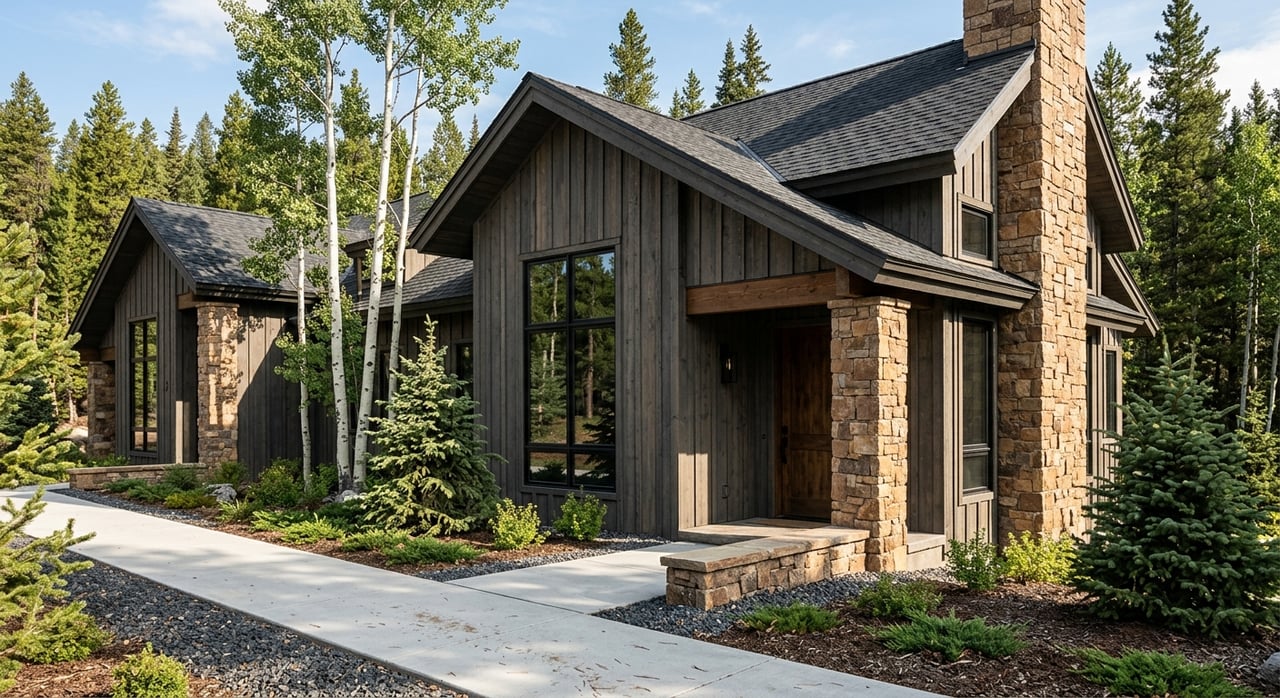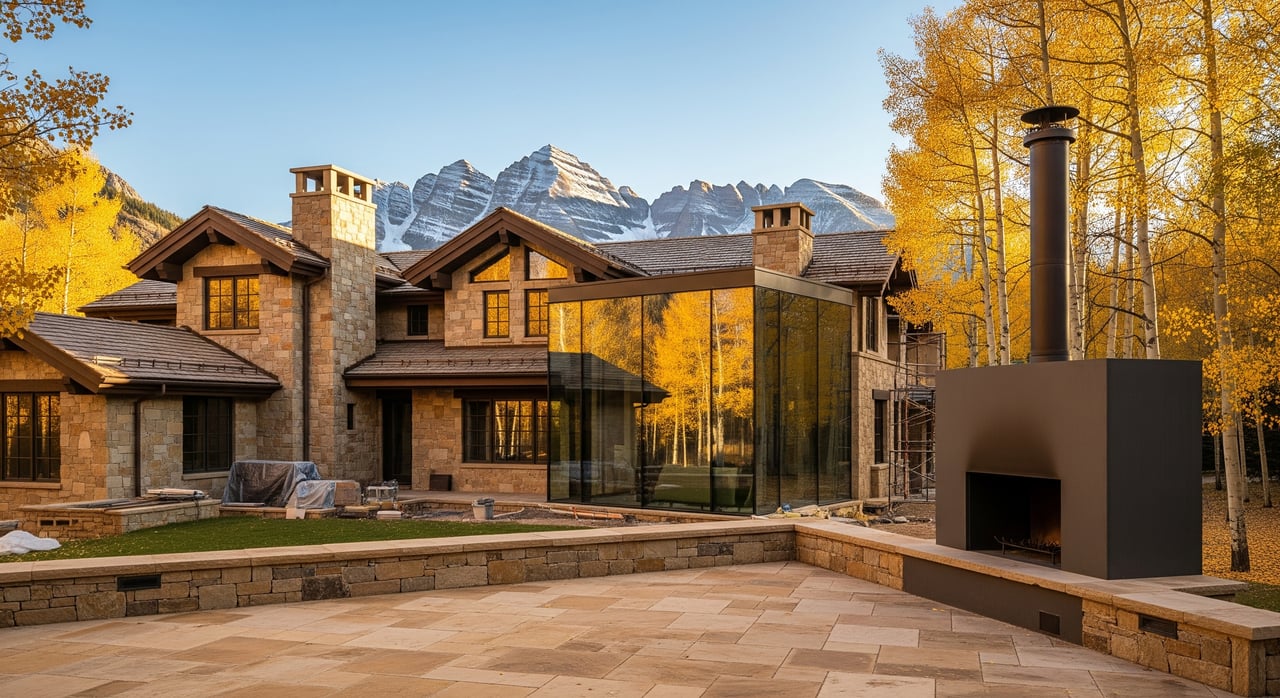
Thinking about tearing down or taking on a remodel in Aspen? The answer often comes down to permits and time, not just design and budget. You want a clear path, fewer surprises, and a realistic schedule that fits Aspen’s mountain environment. In this guide, you will learn how local approvals work, what drives timelines, and how to plan your project with confidence in Aspen and Pitkin County. Let’s dive in.
How Aspen permitting differs
Aspen and Pitkin County put strong emphasis on site impacts, view corridors, and wildfire safety. Reviews look closely at grading, drainage, snow storage, tree protection, and massing. Sensitive ecosystems and steep terrain raise the bar compared to many suburban markets.
Projects may involve both the City of Aspen and Pitkin County depending on the property and scope. Even within city limits, county agencies like Public Health or Open Space can be part of the process. Outside city limits, you work with Pitkin County’s land use and building departments.
Small interior remodels can be straightforward. Major remodels, additions, or new construction usually need multiple land-use approvals and design reviews before a building permit. Expect longer lead times and more conditions than you may see elsewhere.
Remodel vs. new build at a glance
Scope and triggers
- Interior remodels: Often limited to building and trade permits if there are no exterior changes or structural impacts.
- Major remodels/additions: Can trigger land-use entitlements, design review, and environmental approvals.
- New builds: Typically require full land-use review, environmental and site studies, utility confirmations, and comprehensive building permits.
Typical review intensity
- Interior-only work: Administrative reviews with shorter cycles if plans are complete.
- Exterior changes, historic areas, or nonconforming sites: Discretionary reviews that can involve notices and hearings.
- New home on complex terrain: Multiple studies and coordination across agencies are common.
Time ranges to plan for
- Simple interior permits: 2 to 8 weeks for review.
- Complex permits: 6 to 12+ weeks.
- Public hearings for variances or conditional uses: 3 to 9 months.
- Overall project: Many remodel-only projects finish in 3 to 12 months, while new homes with entitlements often span 12 to 36 months from concept to occupancy.
Permits and approvals you may need
Pre-application and land use
- Pre-application meeting with planning staff to confirm zoning, setbacks, allowed floor area, and process.
- Zoning verification or letter of compliance.
- Site plan and development review for massing, height, parking, snow storage, and drainage.
- Land-use approvals if required, such as conditional use permits, variances, or major site development review.
- Design review or historic preservation review when design standards apply or the property is in a historic district.
Environmental and site-specific
- Tree removal and protection plans, often with mitigation.
- Grading and erosion control permits with stormwater management plans.
- Floodplain development permits where a mapped floodplain intersects the site.
- Wetlands and waterways compliance if state or federal jurisdiction applies.
- Geotechnical work and, where relevant, avalanche or slope-stability assessments on steep lots.
- Wildfire mitigation and defensible-space requirements for properties in the wildland-urban interface.
Health, utilities, and access
- Sewer and water tap verification or permits; septic permitting with Pitkin County Public Health if not on municipal sewer.
- Septic system design and approval, which can trigger additional requirements if replacing older systems.
- Utility and right-of-way permits for electric, gas, telecom, water, and sewer.
- Access and driveway permits, including coordination with city, county, or state if the access point involves a state highway.
Building and trade permits
- Building permits for structural foundation, framing, and overall construction.
- Plumbing, mechanical, and electrical permits with inspections.
- Demolition permits if removing structures.
- Asbestos and lead-abatement compliance for older buildings.
- Energy code compliance with verification of the current local code version.
Other possible approvals
- Historic preservation board review for landmarked properties or those within historic districts.
- Approvals related to conservation easements or open-space restrictions where applicable.
- HOA design approvals and neighborhood covenants, which are private but often mandatory.
- Short-term rental compliance considerations if post-construction use involves STRs.
What most affects your timeline
- Site and design complexity. Steep slopes, retaining walls, rock excavation, and drainage design require specialized engineering and longer reviews. Geotechnical and avalanche studies add time.
- Discretionary land-use review. Variances, conditional uses, and historic reviews involve notices, public hearings, and possible appeals, which add weeks to months.
- Environmental constraints. Tree mitigation, wetlands, habitat, floodplain, and wildfire defensible-space plans can extend the process.
- Utilities and off-site work. Extending sewer or water lines or making roadway or driveway changes can add months.
- Review workload and cycles. Local staffing levels and submission cutoffs can push reviews to the next cycle.
- Applicant readiness. Incomplete plans and frequent design changes cause repeated review rounds.
- Seasonality and weather. Major exterior work is usually limited to late spring through early fall due to snow and frozen ground.
- Inspections and availability. Required inspections must fit local calendars, which can cause scheduling delays.
- Legal and title constraints. Unresolved easements or deed restrictions can stall permits until cleared.
Estimated ranges for Aspen projects
Pre-application and design
- Pre-application meeting: 2 to 6 weeks to schedule and receive initial feedback.
- Plans to permit-ready drawings: 4 to 12 weeks for small remodels; 3 to 9+ months for major remodels or new builds, especially with required studies.
Land-use and discretionary review
- Minor administrative approvals: 2 to 8 weeks.
- Design review or staff-level site plan: 4 to 12 weeks including notice periods.
- Public hearings for variances or conditional uses: 3 to 9 months, longer if appeals or major revisions occur.
Building permit review
- Simple residential permits: 2 to 8 weeks.
- Complex permits for new builds or extensive structural work: 6 to 12+ weeks, and several months for very complex projects.
Specialty permits and studies
- Septic design and approval: 4 to 12 weeks.
- Grading and erosion control review: 3 to 8 weeks.
- Tree removal and mitigation approvals: 2 to 8 weeks.
- Floodplain, wetlands, or other environmental permits: can add months.
Construction durations
- Minor remodels with limited exterior work: 1 to 6 months.
- Major remodels or additions: 6 to 18 months depending on scope.
- New custom single-family homes: 12 to 36 months from ground-breaking to final occupancy is common.
Total planning horizons
- Remodel-only projects: Many can be completed in 3 to 12 months from concept to completion, depending on scope.
- New homes with land-use entitlements: Plan for 12 to 36 months from initial concept to occupancy.
Strategy: remodel or build new?
Use the local process to inform your decision and timing. Consider the following questions before you commit to a path.
- Are exterior changes essential? If you can achieve your goals with interior reconfiguration and limited structural work, a remodel can move faster with fewer approvals.
- Is your property historic or in a historic district? You can often remodel, but design and preservation reviews apply and can limit exterior changes while adding cycles.
- What does the site demand? Steep slopes, avalanche zones, floodplain overlaps, or extensive tree impacts can increase studies and mitigation requirements for either option. New builds intensify those demands.
- How are utilities set up? Lack of sewer or water capacity, or the need for septic design, can extend timelines for both remodels and new construction.
- How much schedule risk can you tolerate? If a public hearing or variance is likely, build that time into your plan. If you must hit a specific occupancy date, scope your project to fit seasonality and approval windows.
If your vision requires major additions, foundation work, or a different massing and site layout, a new build may be the cleaner path. If your goals are achievable within the existing envelope and systems, a remodel usually requires fewer approvals and can shorten the total schedule.
Pre-application checklist
- Verify jurisdiction and zoning. Confirm whether your property is in the City of Aspen or unincorporated Pitkin County and note setbacks, height limits, and allowed floor area.
- Review title and restrictions. Identify easements, covenants, conservation restrictions, and HOA rules early.
- Confirm utilities. Check water and sewer availability. If septic is required, contact Pitkin County Public Health early.
- Assemble a local team. Engage an architect, civil engineer, and builder with Aspen/Pitkin County experience. Line up geotechnical, arborist, wetlands, or avalanche consultants as needed.
- Schedule a pre-application meeting. Meet with planning and building staff to map required permits, studies, and submittal documents.
- Submit a complete package. Provide coordinated plans that address site plan, grading and drainage, snow storage, tree protection, utilities, structural details, and any required studies.
- Talk to neighbors and your HOA. Early outreach can reduce objections, hearings, and appeals.
- Plan for mitigation. Include tree replanting, stormwater treatment, and wildfire defensible-space details up front.
- Time your season. Aim major exterior work for the snow-free months to avoid missing the building window.
- Budget contingencies. Build in buffers for permitting rounds, environmental conditions, and construction seasonality.
- Plan for inspections and close-out. Understand required inspections and final occupancy criteria to avoid last-minute delays.
Risks and red flags to watch
- Incomplete or uncoordinated initial submittals that trigger multiple review cycles.
- Unknown easements or deed restrictions that restrict development until cleared.
- Utility capacity issues or long lead times for service extensions.
- Tree removal disputes or unexpected mitigation requirements.
- Public opposition that leads to hearings and appeals.
- Winter weather limiting site work and pushing the schedule into the next year.
- Contractor inexperience with local processes and inspections.
- Unexpected wetlands, archaeological, or species concerns identified during review.
Next steps and local support
Aspen and Pitkin County reward thorough planning and local expertise. Start by confirming your jurisdiction and zoning, meet with planning staff, and scope your team and studies early. With the right plan, you can choose the path that protects your timeline and budget while meeting design goals.
If you want a local sounding board as you weigh remodel versus new build, or you need introductions to architects, engineers, and builders who work these boards regularly, connect with Garrett Reuss. You will get calm, practical guidance grounded in Aspen experience and a plan that aligns with your real estate goals.
FAQs
Do you need a permit for an Aspen kitchen or bathroom remodel?
- Most interior remodels involving structural, mechanical, electrical, or plumbing work require trade permits and often a building permit. Cosmetic-only work may not. Confirm with the local building department.
How do tree and snow-storage rules affect projects in Aspen?
- Tree protection, mitigation, and on-site snow storage are routinely required and heavily reviewed. Missing these details can halt your project or add conditions.
Will a historic district location block my exterior remodel in Aspen?
- Not necessarily, but design and historic review apply. These reviews can limit exterior changes and add review cycles, so plan time for them.
If my lot is outside City of Aspen limits, who issues permits?
- Pitkin County Community Development and the Building Division handle unincorporated properties. Confirm jurisdiction before you begin.
Can you start construction in Aspen before all permits are issued?
- No. Starting without required permits risks stop-work orders, fines, and costly rework. Always verify your permit list before mobilizing.