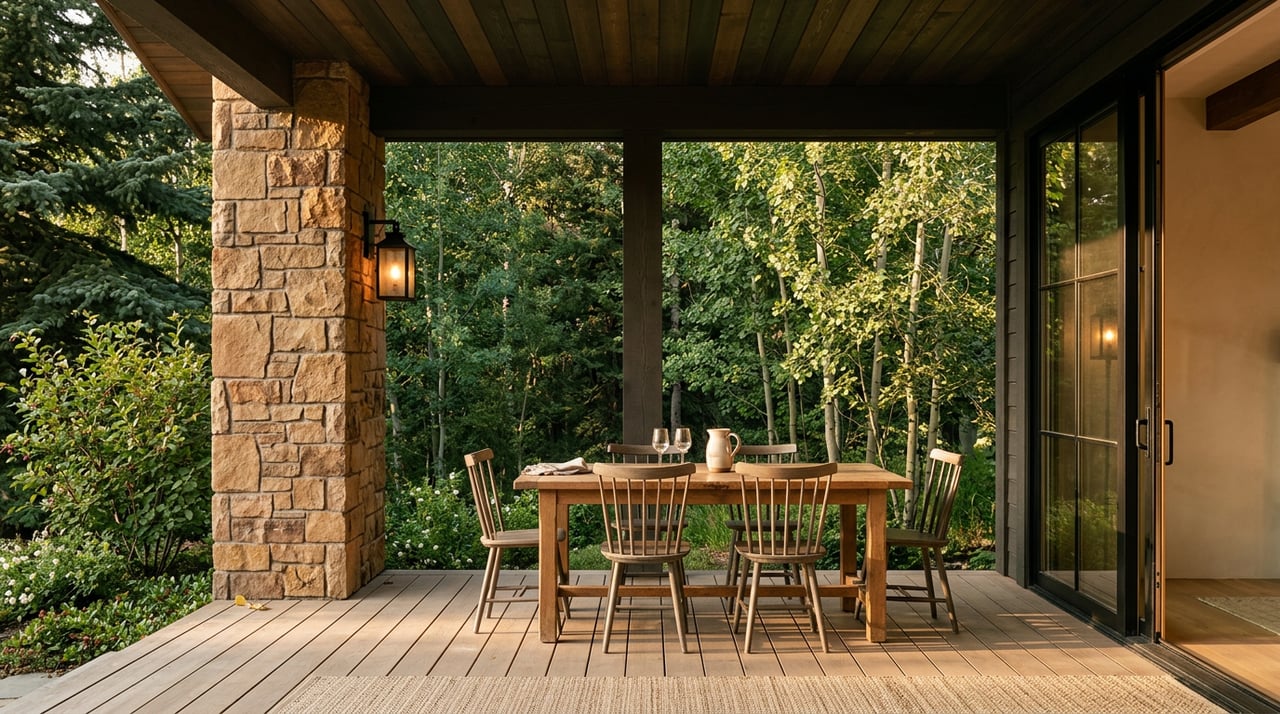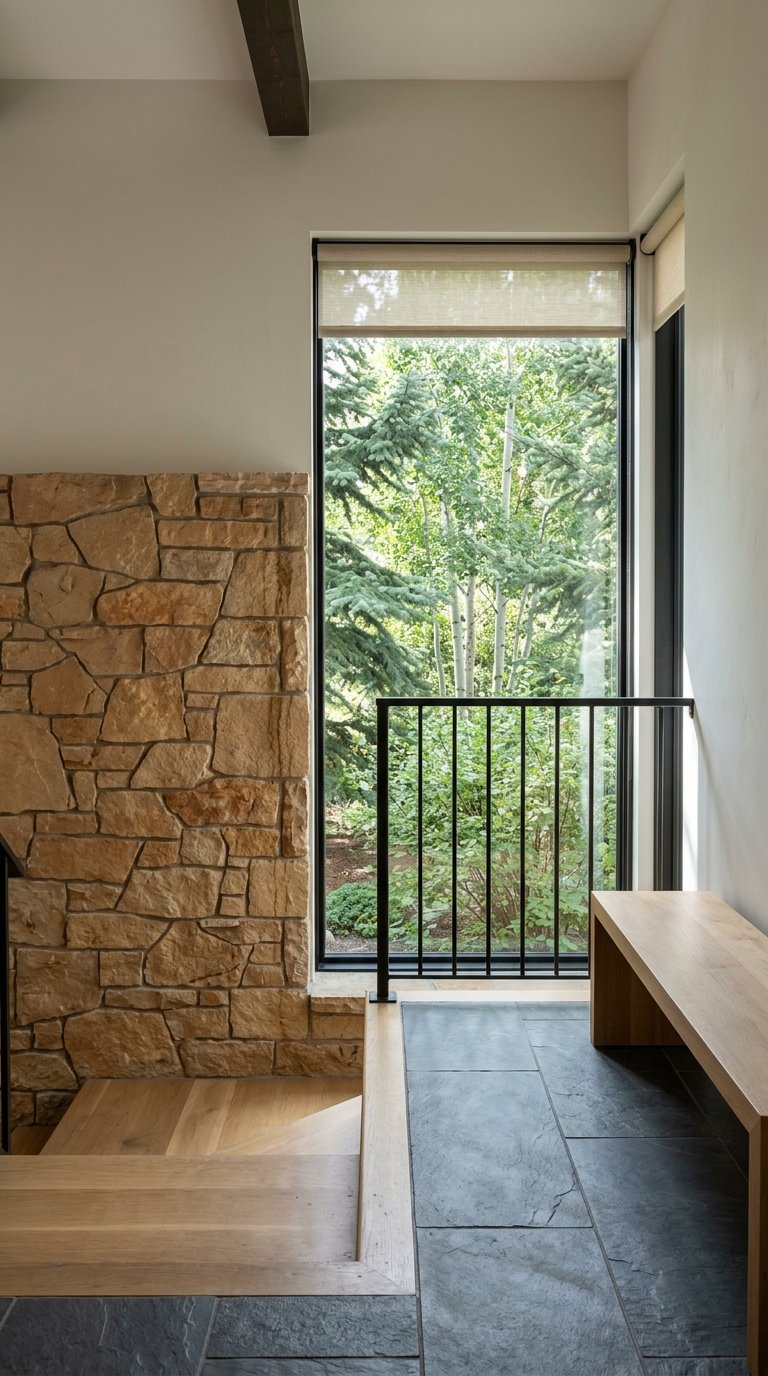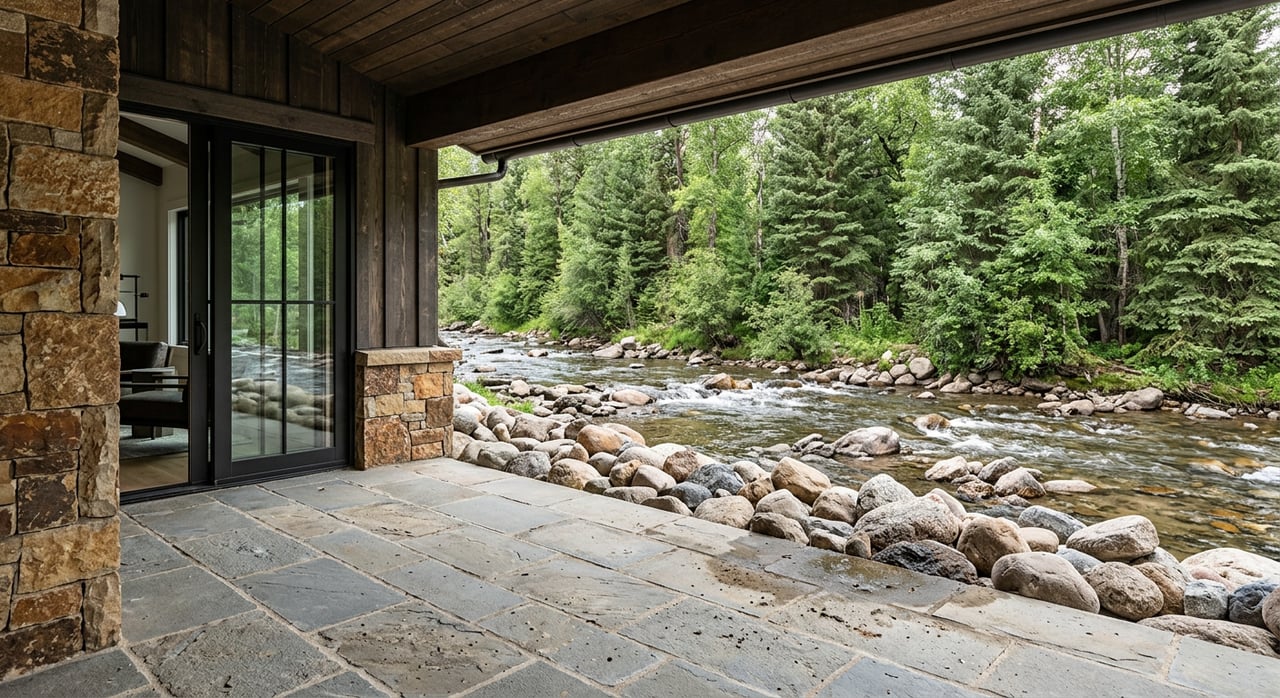
Picture your morning coffee on a stone deck, the Fryingpan or Roaring Fork whispering below, trout rising in the eddies, and alpenglow lighting the valley walls. If you are drawn to that rhythm, a riverfront or view home in Basalt can deliver it in a very real way. The key is pairing the right setting with the right due diligence so you enjoy the views, recreation, and privacy without surprises. This guide walks you through how Basalt’s rivers shape lifestyle, value, and the steps you should take before you buy. Let’s dive in.
Why Basalt river homes stand out
Basalt sits where the Fryingpan meets the Roaring Fork, and both rivers are celebrated Gold Medal trout fisheries. That status brings world-class angling and a strong recreation draw, which supports the long-term appeal of river-edge properties in this market. You can learn more about the Fryingpan’s Gold Medal waters and access points from the local visitor guide on the river’s corridor published by the Basalt Chamber.
You also benefit from thoughtful town planning around the river corridor. Public trails and parks near the town core concentrate foot traffic where it makes sense and create easy access for biking, walking, and community events. The Rio Grande Trail and Basalt River Park are good examples highlighted in the town’s current visitor magazine, which maps public river access near shops and dining in Willits and Old Town in this Basalt overview.
Pick your setting
Fryingpan vs. Roaring Fork
The Fryingpan flows west from Ruedi Reservoir to its confluence in Basalt and is prized for clear tailwater fishing. Summer and fall flows can be shaped by upstream releases that support both ecology and recreation. If water levels and fishing conditions matter to you, it is smart to review recent Ruedi release schedules and conservation leases, such as those discussed in this Aspen Journalism report on reservoir releases.
The Roaring Fork is wider near Basalt, with lively currents, scenic islands, and broad valley views. Sections hold Gold Medal designation and offer a different feel from the Fryingpan’s tight bends. When you tour homes, note the river width, bank stability, and sound level so you understand how it lives across seasons.
In-town convenience or upstream privacy
In and near Basalt’s centers, you can step from your door to parks, trails, and restaurants. That convenience often means more public activity near the river, especially on weekends and holidays. Up the Fryingpan or along quieter stretches of the Roaring Fork, you may find more seclusion. The tradeoff is longer drives to town amenities and, in some cases, different utility setups.
What drives price and enjoyment
Orientation and light
Sun and view orientation affect daily comfort. South-facing living spaces tend to capture low winter sun, which can feel warmer and brighter on short days, and are easier to shade in summer. When a view home also delivers good winter light on decks and main rooms, you typically enjoy it more across the year. Walk candidate properties in the morning and late day to see the light and how the view actually frames from key rooms.
Privacy and nearby access
Riverfront parcels next to public parks, boat ramps, or the Rio Grande Trail can see steady foot and bicycle traffic at certain hours. For some buyers that energy is a plus. For others, privacy is a priority. Ask for a boundary survey, check for recorded trail or utility easements, and confirm exactly where the property line sits in relation to the water’s edge.
River access law basics
Colorado’s stream access rules are unique. While surface water is public, historic case law has limited the public’s right to wade or touch the bed and banks on private land. This creates a practical gray area for wading and portaging through private frontage. Before you assume exclusive access or public passage, review your title and consult a local attorney on riparian rights. A helpful overview of the current context is summarized by the Colorado Stream Access Initiative.
Floodplain and insurance
Basalt invested in river restoration and floodplain work that changed mapped flood boundaries in parts of town. Some parcels moved out of special flood hazard areas, while others saw updated lines. Always verify current FEMA maps for a specific address and ask whether a Letter of Map Revision or Amendment applies, such as the Roaring Fork River LOMR Phase 2 mapping update for Eagle County.
If a home is in a FEMA Special Flood Hazard Area, most lenders will require flood insurance. There is usually a 30-day waiting period for new National Flood Insurance Program policies, and NFIP coverage limits can be lower than the value of many Basalt homes. Review requirements early and consider private flood options where appropriate. The federal interagency Q&A is a clear primer on mandatory purchase and insurance basics.
Setbacks and wetlands
Development near the river is guided by town and county rules that protect riparian corridors. Setbacks, review processes, and buffers vary depending on jurisdiction and proximity to the high-water mark. The Town of Basalt’s River Stewardship planning provides helpful context on typical buffers and permitting touchpoints; you can review the River Stewardship Master Plan materials and then confirm exact standards with staff. If a parcel includes wetlands, those areas can restrict building and may trigger federal or state permits. A quick screen starts with the U.S. Fish & Wildlife Service Wetlands Mapper, followed by a field delineation when needed.
Wildfire and insurance
Much of the Roaring Fork Valley sits in the wildland-urban interface. Insurers increasingly look for defensible space, ember-resistant design, and local risk scores. You can reduce exposure and sometimes premiums by acting on a home assessment. The Roaring Fork Valley Wildfire Collaborative outlines practical steps and often supports free evaluations and cost-share programs on its home risk reduction page.
Utilities and districts
In-town properties often tie into municipal water and sewer, while upstream or rim properties may rely on wells and septic. Some neighborhoods fall within special districts that levy taxes or fees for infrastructure. Before you write an offer, confirm utility connections, tap statuses, and any district obligations with the town or county.
Market context to frame offers
Basalt trades at a premium compared with many Colorado towns because of proximity to Aspen and Snowmass, limited riverfront inventory, and two celebrated rivers. Public aggregator medians can vary widely in a small, high-value market, and a handful of large sales can skew monthly snapshots. The town’s 2024 Housing Needs Assessment update underscores that context and the importance of neighborhood-level data. Before you set price expectations, review live MLS comparables and local appraisals, and consider the parcel’s specific frontage, access, and flood status. For background on shifting housing patterns and pricing context, see the town’s 2024 Housing Needs Assessment update.
Questions to ask and steps to take
- Flood zone and mapping
- Order a FEMA flood-zone determination. Review the current FIRM panel and any Letters of Map Revision or Amendment that apply to the parcel, such as recent Eagle County LOMR updates. If the home is in an SFHA, request National Flood Insurance Program and private flood quotes early and study federal insurance requirements.
- Title, easements, and frontage
- Have your title company or attorney confirm whether the riverbank is owned to the high-water mark, subject to any trail or conservation easements, and whether neighbors hold access rights. Use care with Colorado’s unique stream access rules. A concise overview of the legal context is available from the Colorado Stream Access Initiative.
- Wetlands and environmental constraints
- Screen the parcel on the USFWS Wetlands Mapper. If wetlands appear, order a professional delineation before closing. For any bank stabilization or in-channel work, discuss permitting pathways with consultants.
- Elevation certificate and survey
- Obtain a current boundary survey and, if the home is in or near a mapped flood zone, an elevation certificate. Lenders and insurers rely on these for accurate quotes and approvals.
- Water and sewer availability
- Confirm municipal taps, well yields, and septic capacity. Ask the town or county for recent utility maps and any planned changes that could affect the parcel.
- Wildfire risk and insurance
- Schedule a home wildfire assessment and request insurance quotes early for both homeowners and wildfire exposure. The Roaring Fork Valley Wildfire Collaborative lists practical steps and programs on its risk reduction page.
- Local planning and setbacks
- Discuss riparian setbacks, variance procedures, and any pending river-corridor projects with planning staff. Basalt’s River Stewardship Master Plan materials outline common buffers and review touchpoints.
- Appraisal and comps
- Use true apples-to-apples MLS comps with similar frontage type, privacy, and mapped flood status. Treat national medians as broad context rather than a pricing guide for a specific river parcel.
- Contract provisions
- Consider contingencies for survey and flood mapping, well and septic where relevant, and explicit disclosure of any recorded easements. For complex river access or bank stability issues, involve an attorney.
A calm path to purchase
Buying a Basalt riverfront or view home is about matching a stunning setting with smart planning. When you clarify orientation, access, privacy, and environmental layers up front, you reduce risk and raise your day-to-day enjoyment later. If you want a steady, high-touch guide for site walks, due diligence, and negotiations, connect with Garrett Reuss to talk through options and next steps.
FAQs
What makes Basalt river homes unique compared to other Colorado towns?
- Two Gold Medal rivers, limited frontage, and a well-planned river corridor create strong lifestyle appeal and support long-term value.
How do I check if a Basalt home sits in a flood zone?
- Ask for a FEMA flood determination, review current maps and any Letters of Map Revision, and get insurance quotes early if the home is inside a Special Flood Hazard Area.
Are the Fryingpan and Roaring Fork both good for fishing access from home?
- Yes, both are renowned fisheries, but actual access depends on your parcel’s frontage, nearby public easements, flows, and Colorado’s unique stream access rules.
Can I build closer to the river after I buy?
- Probably not without review; town and county setbacks and riparian protections limit new work near the high-water mark, and wetlands may trigger special permits.
What affects privacy on riverfront lots in town?
- Proximity to parks, the Rio Grande Trail, and boat ramps can increase public activity near your property line, especially on weekends and holidays.
How should I value the “river premium” in Basalt?
- Use neighborhood-level MLS comps that match frontage type, bank stability, privacy, and flood status, rather than broad national averages or undated medians.