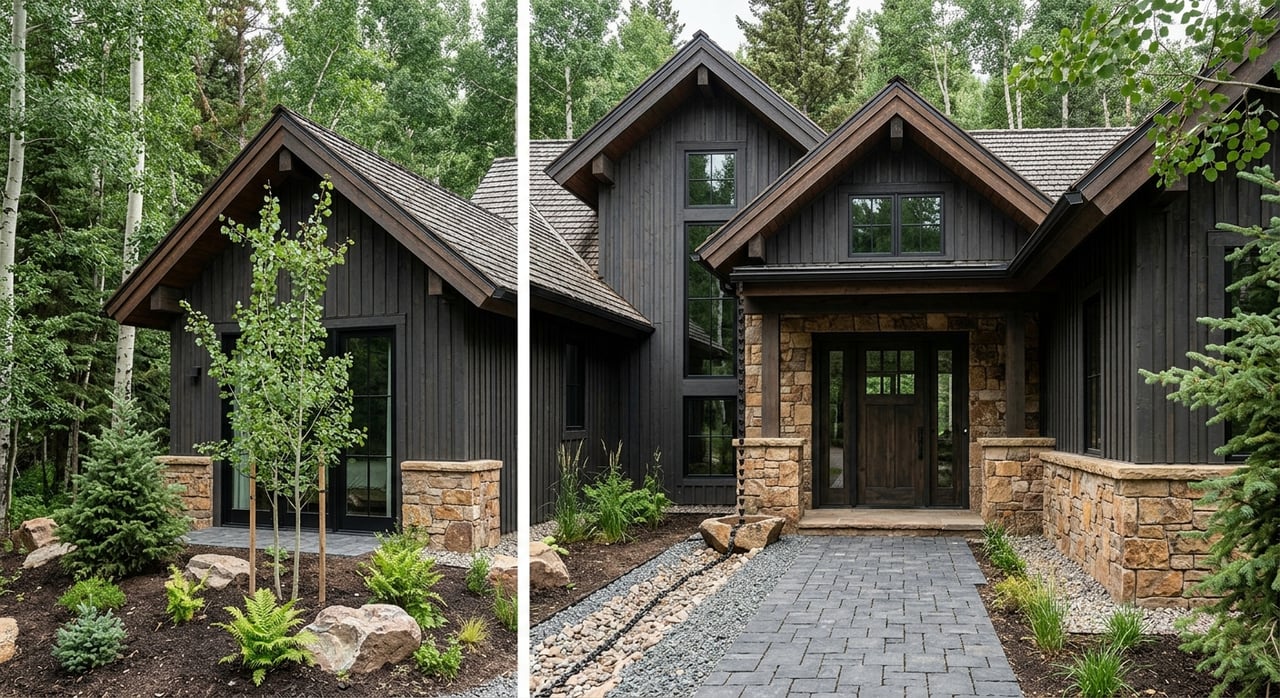
Are you outfitting a furnished rental in Basalt and wondering how to keep guests happy through snowstorms, spring slush, and summer trail dust? You’re not alone. Mountain rentals work hard in peak seasons, and small misses add up to bigger headaches on changeover day. This guide gives you a practical playbook for furnishing, gear storage, safety, and maintenance rhythms that reduce friction, prevent damage, and drive better reviews. Let’s dive in.
Basalt rental realities
Basalt lives on a seasonal rhythm. Winter and summer bring heavy use for skiing, biking, fishing, and hiking. Shoulder seasons can run cooler and quieter. Your setup needs to withstand intermittent vacancy and high‑impact peak weeks.
Cold snaps, spring freeze‑thaw cycles, and snow loads raise the stakes for plumbing, roofs, and exterior storage. Plan for winter readiness and fast turnarounds. Before you launch, confirm current Town of Basalt and Eagle County rental rules, plus any HOA covenants that affect rental use, storage, or exterior changes.
Safety and rules you can’t skip
Colorado rentals should include working smoke alarms and carbon monoxide detectors, placed and tested per recognized guidance. Keep a visible, charged fire extinguisher near the kitchen and maintain clear egress routes. If you provide a locked gear room or locker, confirm it aligns with insurance terms and local fire code.
Check municipal and county requirements for registration, occupancy limits, and taxes, and review HOA rules for storage and signage. Rules change. Verify them before you invest in build‑outs or accessories.
Furnishing standards that last
Build for durability, easy cleaning, and comfort. Aim for a consistent feel throughout the home so guests know what to expect in every room.
Furniture and finishes
- Choose solid wood or metal frames and commercial‑grade mechanisms for high‑use items like sofas and dining chairs.
- Favor performance fabrics such as stain‑resistant microfiber, Crypton, or washable slipcovers. They clean up faster and hide wear.
- Use hard surfaces in main areas to simplify cleaning. Add layered area rugs for warmth since they are easy to replace.
- Protect mattresses with waterproof encasements and keep extra protectors on hand.
Linens and bedding
- Stock commercial‑grade, easy‑care linens in white or neutrals for simple laundering.
- Layer the bed with a fitted sheet, top sheet, duvet with removable cover, and a blanket so guests can set their comfort level.
- Keep at least one spare set of sheets per bed on site to speed up same‑day turns.
Kitchen and housewares
- Provide durable cookware, sharp knives in a block, a full set of dinnerware and glassware, and key appliances like a coffee maker, kettle, and toaster.
- Choose dishwasher‑safe items and label any specialty or fragile pieces.
- Stock basic cleaning supplies and show guests where extra supplies live.
Tech and convenience
- Reliable high‑speed Wi‑Fi is expected. Share a clear network name and password in your welcome book.
- Use keyless entry to reduce key loss and simplify code changes. Check device batteries monthly.
- Post simple instructions for any specialty appliance like a hot tub, pellet stove, or gas grill to prevent misuse and emergency calls.
Safety and accessibility
- Install and test smoke and CO alarms, and keep a kitchen fire extinguisher visible.
- Provide emergency contacts and clear evacuation notes in the welcome materials.
- Consider voluntary accessibility features, such as a ground‑floor sleeping option or grab bars in a shower, if you plan to market more broadly.
Smart storage for mountain gear
Your guests bring skis, boards, boots, bikes, and rods. Good storage keeps wet and dirty gear out of living spaces and protects your floors and walls.
Mudroom essentials
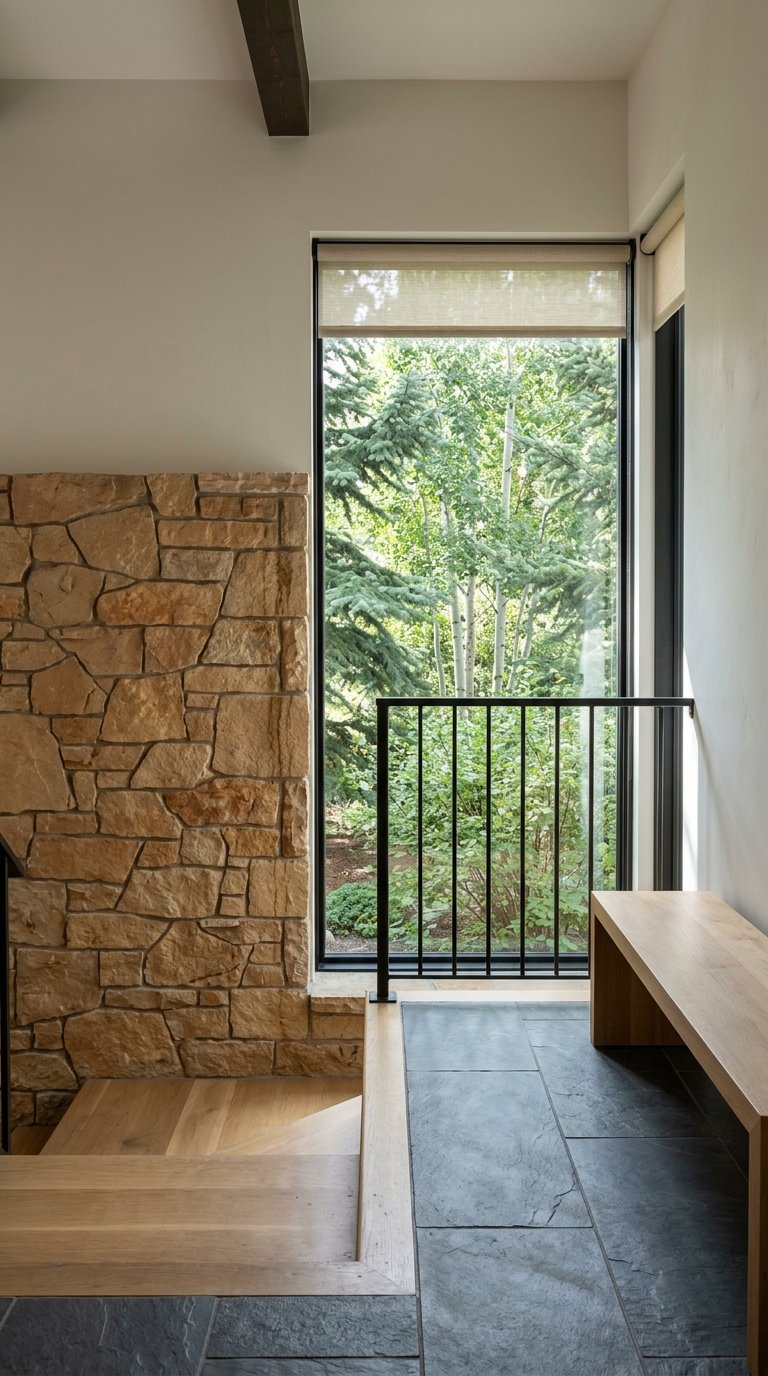
- Create a defined drop zone at the entry with a bench, boot cubbies, and durable mats.
- Add vertical boot dryers or wall hooks and, if budget allows, heated boot racks.
- Mount ski and snowboard racks that keep edges off flooring and make drying easy.
Lockable storage and bikes
- Provide a weather‑resistant, lockable exterior chest or an interior closet for bulky items. Build in ventilation and drainage.
- For bikes, use wall mounts or floor racks in a garage or covered area to prevent frame damage.
- Offer a basic bike kit: pump, multi‑tool, and a small patch kit.
Ski and snow setup
- Prioritize boot‑drying capacity. Space for portable dryers or a heated rack keeps moisture under control.
- Use wall racks to organize skis and reduce dings.
- Place disposable boot covers or dedicated boot trays by the door.
Fishing and water gear
- Use vertical tube holders for rods. If you provide paddles or flotation, store them in a lockable spot and label usage rules.
- Post clear rules for cleaning gear to avoid odors.
Labeling and ventilation
- Label every storage zone and include short, simple instructions in your welcome manual.
- Add washable entry mats and confirm airflow in lockers to prevent mold.
- Inspect storage at each season change for drainage and rust.
Turnovers and maintenance rhythms
A predictable, documented routine keeps surprises low and guest ratings high. Build a cadence that your team can execute every time.
Per‑stay turnover checklist
- Launder used linens, check mattress encasements, and restock spare sets.
- Confirm HVAC, hot water, and Wi‑Fi functionality.
- Test smoke and CO alarms and confirm fire extinguisher access.
- Inspect entries, steps, and outdoor paths for ice or hazards.
- Replenish consumables like toilet paper, soaps, and coffee filters.
- Inspect gear storage and locks. Log missing or damaged items immediately.
Weekly and monthly tasks
- Weekly: deep clean high‑touch surfaces, vacuum, mop, and check for leaks.
- Monthly: test appliances, rotate and inventory linens and consumables, and complete a quick pest check.
- Run water in seldom‑used fixtures to prevent stagnation.
Seasonal and annual work
- Pre‑winter: service heating systems, insulate pipes, winterize exterior faucets, and secure exterior furniture. Confirm snow removal services.
- Pre‑summer: service AC if present, inspect decks and railings, clean the grill, and tune hot tub equipment if applicable.
- Annual: complete a deep inspection of plumbing, appliances, and structure. Look for mold, pest entry, and worn finishes such as deck sealant.
Preventive practices that save the day
- Keep a small on‑site stash: bulbs, batteries, shower liners, and basic plumbing parts for same‑day fixes.
- Track the age of mattresses and appliances. Replace before failure to avoid guest‑day emergencies.
- Add preventative checks to your annual plan, like grout and caulk inspections.
- Consider service contracts for HVAC, hot tubs, and chimney or woodstove cleaning if usage is high.
Cleaning that guests notice
- Standardize your cleaning process and use professional‑grade products.
- Show visible cleanliness cues like sealed remotes, neatly folded towels, and labeled supply locations.
- Photograph the home after each cleaning to document condition and simplify dispute resolution.
Damage, insurance, and communication
Protect the home, communicate clearly, and backstop your risk profile.
Reduce damage risk
- Set simple house rules for gear, pets, and smoking. Post them in the welcome book and in your listing.
- Use protective touches: tempered glass tops, washable pillow covers, corner guards, and area rugs with non‑slip pads.
- Use a security deposit or platform hold. For high‑value gear lockers, a refundable deposit helps deter loss.
Insurance and liability basics
- Confirm your homeowner’s policy allows short‑term rentals or secure a specialized policy.
- Verify liability limits for on‑site equipment use, including bikes, skis, and hot tubs.
- If you offer equipment, require a waiver or post clear usage warnings and safety notes in guest materials.
Guest messaging that works
- Send pre‑arrival notes with check‑in instructions, weather guidance, and gear storage rules.
- Post a short check‑out list to streamline turns. Simple asks like starting the dishwasher help.
- Include emergency numbers, main shutoff locations, and basic troubleshooting tips in a concise welcome manual.
One‑page setup checklist
Use this to launch or relaunch your Basalt furnished rental with fewer surprises.
- Verify Town of Basalt, Eagle County, and HOA rules. Obtain needed permits.
- Install and test smoke and CO alarms. Place a fire extinguisher near the kitchen.
- Choose durable furniture and performance fabrics. Add mattress encasements.
- Create a mudroom with bench, boot cubbies, boot dryers or heated racks, and ski/board racks.
- Install lockable, ventilated storage for bikes and bulky gear.
- Set up keyless entry with a documented code procedure. Audit batteries monthly.
- Provide fast Wi‑Fi with printed instructions and a simple network map in the welcome book.
- Build your vendor list: cleaning, plumbing, HVAC, electrical, snow removal, locksmith.
- Stock at least one spare linen set per bed, plus extra pillows and blankets.
- Assemble a consumables kit: toilet paper, soap, dishwasher pods, and coffee filters.
- Pre‑winter: winterize exterior plumbing, service heating, and confirm snow removal.
- Pre‑summer: service AC if present, treat decks, and inspect outdoor storage.
- Monthly: test alarms, change HVAC filters as needed, and check for leaks and pests.
- Annual: deep clean, structural check, and scheduled replacement of aging mattresses and appliances.
- Add guest‑experience touches: clear signage for gear storage and trash, a small welcome basket with local info, boot trays, drying racks, spare phone chargers, and a basic bike kit.
The Basalt advantage, simplified
A well‑set Basalt rental performs through snow days and bluebird summers because the basics are rock solid: durable furnishings, real gear storage, documented maintenance, and clear guest communications. When you do these things consistently, turnovers feel routine, expenses stabilize, and reviews improve.
If you’re weighing how to launch, reposition, or prep a Basalt property for stronger rental performance, let’s talk about your plan. Book an appointment with Unknown Company for calm, local guidance tailored to your goals.
FAQs
What are the short‑term rental rules in Basalt?
- Check current Town of Basalt and Eagle County requirements, plus your HOA covenants, and verify rules and taxes before you list.
What safety devices are required in Colorado rentals?
- Install and maintain smoke alarms and carbon monoxide detectors per recognized guidance, and keep a kitchen fire extinguisher visible.
How should I store skis and bikes in a Basalt rental?
- Create a mudroom with boot dryers, wall racks for skis and boards, and lockable, ventilated storage for bikes and bulky gear to keep dirt and moisture out of living spaces.
What should be on a Basalt turnover checklist?
- Linens and protectors, HVAC and hot water checks, Wi‑Fi, alarm tests, consumables restock, hazard checks outside, and a quick inventory of gear storage and locks.
How do I winterize to prevent frozen pipes?
- Service heating, insulate pipes, winterize exterior faucets, secure outdoor furniture, and confirm snow removal services before the first freeze.
Do I need special insurance for a furnished short‑term rental?
- Confirm your homeowner’s policy allows short‑term rentals or obtain a specialized policy, and verify liability coverage for on‑site equipment and amenities.