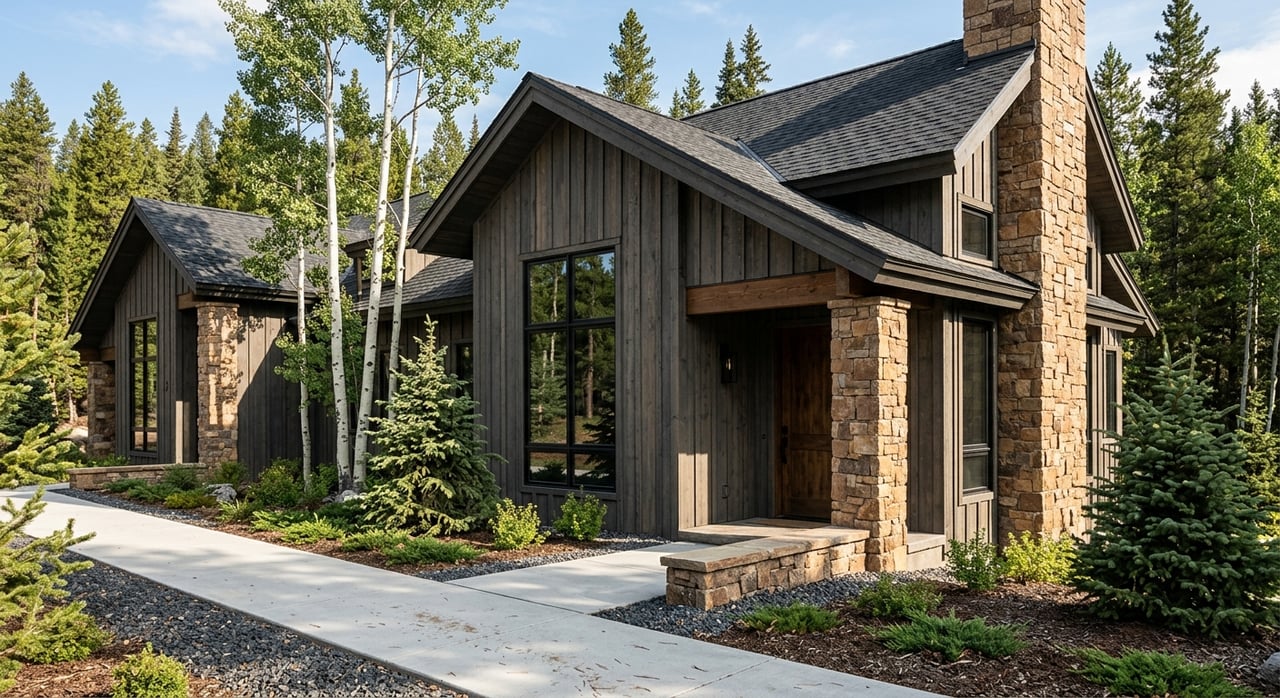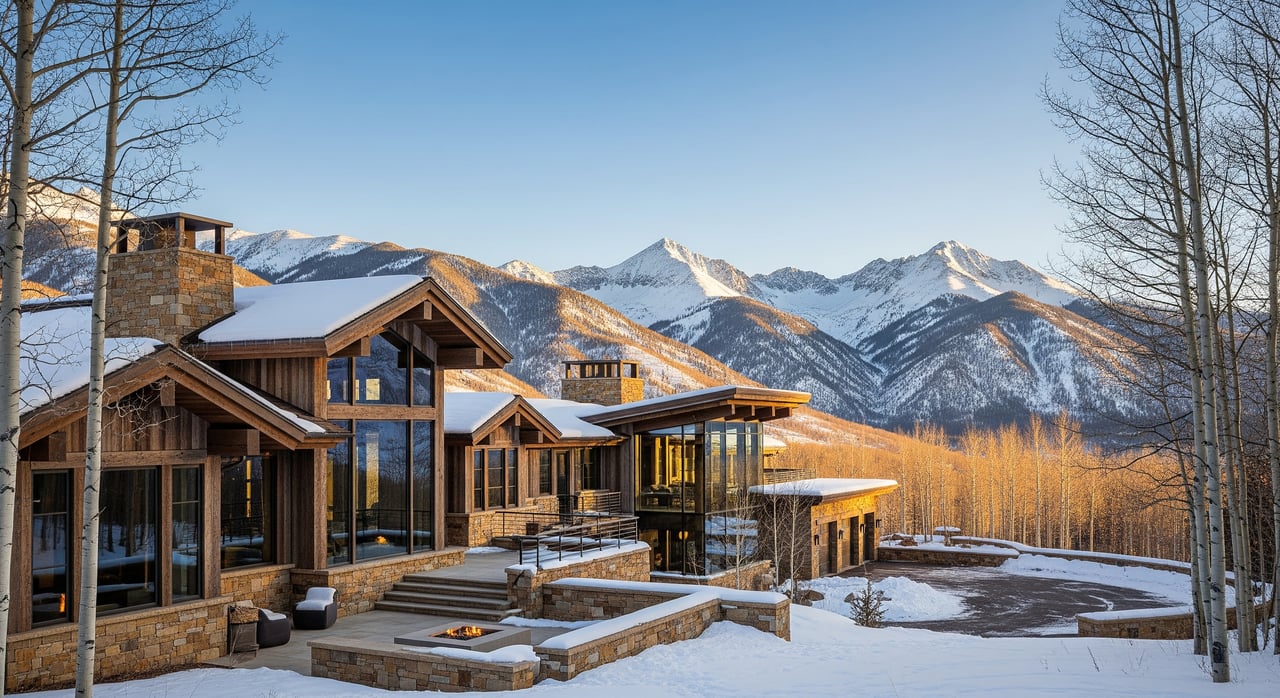
Considering a home in Aspen or Snowmass Village? If your target property sits above the national conforming limit, you will likely need a jumbo loan. You want clear answers on how these loans work, what to expect in Pitkin County, and how to position your offer to win. This practical guide walks you through requirements, timelines, lender options, and local factors so you can plan with confidence. Let’s dive in.
What is a jumbo loan?
A jumbo loan is a mortgage that exceeds the conforming loan limit set by the Federal Housing Finance Agency. Because these loans are not eligible for purchase by Fannie Mae or Freddie Mac, private lenders set their own underwriting rules. In a market like Aspen, where many properties sit well above national limits, jumbo financing is common for single-family homes, condos, and ski-access estates.
Why jumbo loans are common in Aspen
Aspen and Pitkin County are luxury resort markets with high price points and wide variation in property types. Many purchases are second homes or investment properties, and a notable share of transactions are all cash or financed through private banks. Unique, one-of-a-kind homes can also make appraisal comparables harder to find, which influences both loan structure and timelines.
How jumbo loans differ from conforming
Credit strength and pricing
Lenders usually expect stronger credit profiles for jumbo loans. Top-tier pricing often goes to borrowers with mid-700s credit scores or higher. Rates have historically run slightly higher than conforming, but the spread changes with market conditions and the lender’s appetite.
Down payment and LTV
Plan for higher equity. While some borrowers qualify with 20 percent down, many jumbo programs expect 25 to 30 percent down on larger loans. If you target higher loan-to-value ratios, expect stricter terms or more documented reserves.
DTI and reserves
Debt-to-income limits are often similar to conforming, but lenders look closely at your total obligations and liquid assets. Many jumbo programs want reserves equal to 6 to 12 months of mortgage payments, with higher requirements for very large balances or non-owner occupied homes.
Appraisal and documentation
Luxury or unique properties in Aspen can require complex, multi-page appraisals, sometimes with comps from a wider area. Expect more documentation overall and allow extra time for appraisal, title review, and underwriting.
Product options and flexibility
You will see fixed-rate, adjustable-rate (5/6 and 7/6 ARMs), and some interest-only options from portfolio or private banks. Non-qualified mortgage programs, asset-based underwriting, and bank-statement loans can serve self-employed or high-net-worth buyers. Terms vary widely by lender.
Occupancy and property type
Rules get tighter for second homes and short-term rentals. Some lenders limit or exclude properties with significant rental income or STR operations. If you plan to use rental income to qualify, confirm documentation and treatment early.
Aspen and Pitkin County considerations
Property types and appraisal realities
Custom estates, historic homes, and ski-in/ski-out properties may lack close comps. Appraisers may use cost or income approaches, or broaden the search radius. Condo buildings with few recent sales can trigger more conservative reviews or higher down payment expectations.
Short-term rentals and income
If you intend to qualify with rental income, be ready to show tax returns, management agreements, and consistent ledgers. Many lenders treat STR income as less stable and may cap how much they consider. Some properties that function as commercial lodging could require commercial financing.
Title, easements, and hazards
Mountain properties can involve water rights, conservation easements, shared access, or avalanche and landslide designations. Lenders and title companies will scrutinize these details. You may need additional hazard insurance or endorsements for flood, wildfire, or avalanche exposure.
Seasonal timing
Winter and summer are peak seasons. Appraisers and lenders book up, and unique properties take longer to underwrite. International buyers and complex ownership structures can also extend timelines, so build in cushion.
Taxes and closing costs
Property taxes and closing costs scale with price. Title insurance, escrow, and recording fees rise in absolute terms at higher values. For current tax computations or special assessments, coordinate with local offices and your advisors.
Choosing the right lender
Lender types you will see
- National banks with private wealth divisions
- Regional banks and credit unions with portfolio jumbo products
- Mortgage brokers who shop multiple jumbo lenders and specialty programs
- Non-bank portfolio lenders and private-money lenders for bridge or creative solutions
What to ask before you apply
- Experience with Aspen and high-value properties
- Approach to complex appraisals, condos, or unique parcels
- Willingness to underwrite STR income and trust or LLC purchases
- Availability of products you may need, like interest-only or asset-based loans
- Rate lock flexibility and realistic closing timelines
Brokers can shop multiple options, while private banks may offer relationship pricing or bespoke portfolio terms. There is no single best route. Match your goals and profile to the lender’s strengths.
What to expect: documents, timeline, and costs
Typical qualifications
- Credit score: mid-700s for best pricing; some accept lower with conditions
- Down payment: often 20 to 30 percent, higher for very large balances
- DTI: usually under 43 to 50 percent
- Reserves: often 6 to 12 months of payments, higher for large or investment loans
Buyer document checklist
- Government ID and Social Security number or ITIN
- Last 2 years of federal tax returns (personal and business as applicable)
- Recent pay stubs and W-2s, or K-1s for business owners
- 2 to 12 months of bank statements for accounts used to qualify
- Retirement and investment account statements
- Explanations for large deposits or transfers
- Purchase contract, HOA documents, and condo questionnaires if applicable
- Trust or LLC documents if purchasing through an entity
- Rental agreements or ledgers if using rental income
Timeline and key costs
Most jumbo loans close in 30 to 45-plus days. Appraisals for luxury homes can take longer and cost more. Closing costs are higher in absolute dollars due to title insurance premiums, escrow or attorney fees, and possible surveys or environmental reviews.
Strategies to compete and protect your interests
For buyers
- Get pre-approved with a jumbo lender experienced in Aspen before you shop
- Consider bridge financing if you need to align a sale and a purchase
- Use realistic appraisal and inspection timelines for unique homes
- If appraisal risk is high, discuss appraisal gap strategies with your lender and agent
- If you plan to use STR income, confirm how the lender will count it and what you must document
For sellers
- Review buyer financing strength, including pre-approval from a jumbo-experienced lender
- Expect appraisal questions on one-of-a-kind properties and plan for potential negotiations
- For multiple offers, request proof of funds or private-bank letters to gauge certainty
Example pathways that fit Aspen buyers
- Family second-home buyer: Fixed-rate or ARM jumbo with 20 to 30 percent down and documented reserves. Condo buyers should expect thorough HOA review.
- Investor using rentals: DSCR or portfolio rental loan that considers property income, or a non-QM program that allows alternative documentation.
- UHNW buyer: Private bank or portfolio loan with potential interest-only features, relationship pricing, and flexible structures. Trust or LLC ownership may require added documentation.
Smart next steps
- Clarify your property goals, occupancy, and hold time.
- Organize documents early and assess reserves and liquidity.
- Speak with more than one lender to compare products, pricing, and timelines.
- Coordinate with local appraisers, title, and insurance pros as soon as you go under contract.
If you want steady, local guidance from search to close, connect with Garrett Reuss. You will get high-touch advisory, clear next steps, and a calm, expert plan for your Aspen or Snowmass purchase.
FAQs
What is considered a jumbo loan in the U.S.?
- A mortgage that exceeds the FHFA conforming loan limit, which makes it ineligible for purchase by Fannie Mae or Freddie Mac.
How much down payment do jumbo loans in Aspen require?
- Many borrowers bring 20 to 30 percent down, with higher equity or reserves often required for very large balances or complex properties.
Are jumbo mortgage rates higher than conforming rates?
- Often slightly higher, but the spread varies with market conditions and each lender’s appetite and pricing.
Can I qualify using short-term rental income in Aspen?
- Sometimes, with full documentation such as tax returns and rental ledgers, but many lenders limit how much STR income they count.
How long do jumbo loans take to close in Pitkin County?
- Typically 30 to 45-plus days, and unique properties, complex title items, or international buyers can extend the timeline.
What are my options if the appraisal comes in low on a luxury home?
- You can negotiate price, request seller credits, bring extra cash to reduce LTV, or seek a second appraisal when justified.
Should I use a bank or a mortgage broker for a jumbo loan?
- Both can work well. Brokers shop multiple lenders, while banks and private banks may offer portfolio products and relationship pricing that fit complex scenarios.