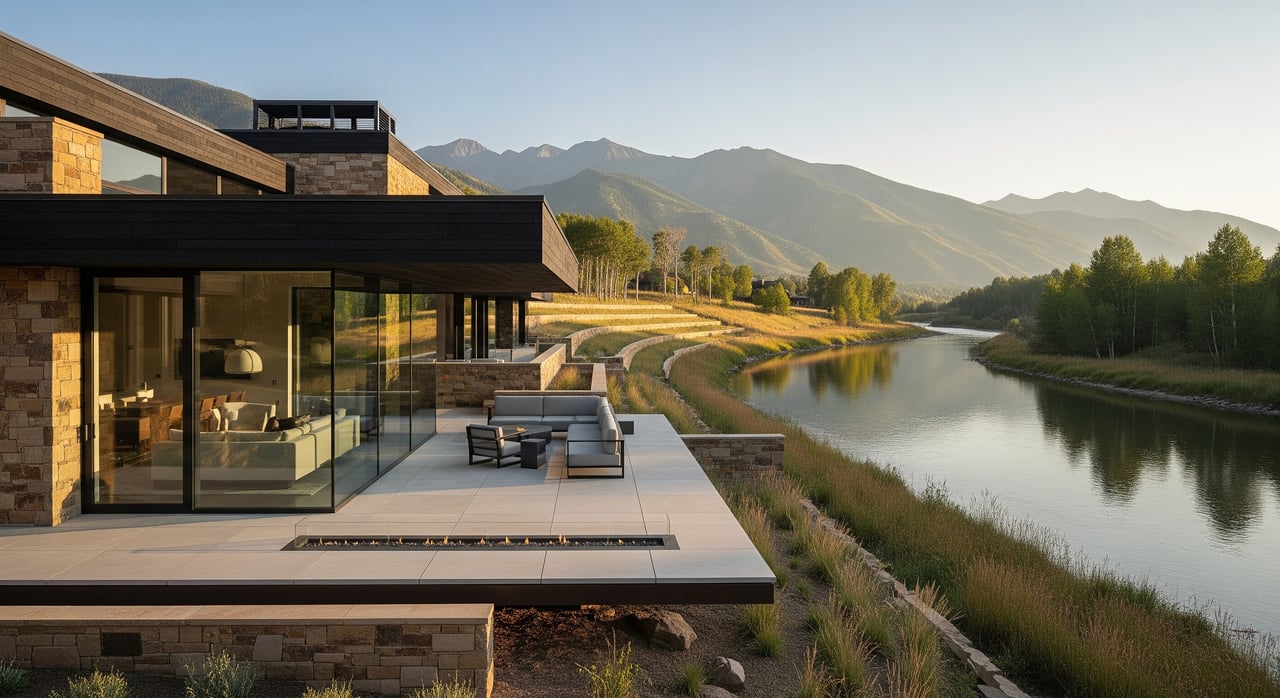
You know a river view in Basalt hits different. The sound of the Roaring Fork, the light on the valley walls, the quick walk to a favorite trail or fishing run — it all feels priceless until you need an actual number. If you are buying or selling a riverfront or big‑view home here, you want a price that reflects the real market premium without leaving money on the table. This guide breaks down the factors that drive value in Basalt, the checks to run before you set a price, and the best way to support your number with local data. Let’s dive in.
What drives price in Basalt
Basalt sits where river corridors shape lifestyle and value. Properties with direct river frontage or wide, unobstructed valley and mountain views attract a broad buyer pool that includes full‑time locals, second‑home owners, and seasonal buyers tied to Aspen and Snowmass. That mix influences both premiums and liquidity. The right features can add meaningful value, while risk or uncertainty can push buyers away.
Site features that move value
- Type of water relationship. Direct river frontage typically carries the highest premium, followed by private access via easement, then distant river views. The more exclusive and usable the access, the stronger the value.
- Usability and access. Gentle paths, stairs, and safe entry to the riverbank matter. Private access beats shared or public access for most buyers.
- View quality and permanence. Panoramic, unobstructed views usually outpace partial or framed views. Value rises if sightlines are protected by open space or recorded easements, and falls if future development or tree growth may block them.
- Flood and bank stability. Location relative to FEMA flood zones, erosion history, and the need for bank work all affect price and insurability.
- Privacy and noise. River sounds can be an amenity. Proximity to roads, rail, or public trails can reduce privacy and value.
- Sun and microclimate. Southern exposure and good winter sun are prized in mountain climates.
- Encumbrances. Utility or public access easements, conservation or view easements, and riparian rights shape both use and price.
Market factors you should consider
- Buyer pool and scarcity. In Basalt, truly special frontage or top‑tier views are scarce. Limited supply increases dispersion in sale prices and makes good comps harder to find.
- Seasonality. Activity tends to rise from late spring through early fall, with a second pulse around the winter holidays. Timing can influence days on market and negotiation leverage.
- Rental or investment potential. Proven short‑term rental performance can support value, but higher maintenance and insurance costs for waterfront homes must be considered.
How to measure the premium
There is no universal percentage for water or view premiums. The right way to price is to use local data and support each adjustment.
Sales comparison first
Start with recent closed sales of similar homes in Basalt and the Roaring Fork Valley. When true matches are scarce, pair a sale with riverfront or a primary view against a similar non‑riverfront or non‑view sale. Quantify the difference tied to the single feature you are measuring. Document the logic for each adjustment and keep it consistent across your grid.
Key adjustment categories to consider:
- River frontage. Presence and length of frontage, private vs shared access, and usability of the bank.
- View quality. Create tiers such as no view, partial view, primary view, or panoramic. Use local pairs to assign differences.
- Flood and insurability. Properties in FEMA Special Flood Hazard Areas often face lender‑required flood insurance and smaller buyer pools, which can mean a negative adjustment.
- Erosion or repairs. Known bank stabilization needs or impending work should be priced in.
- Easements and public access. Recorded public access or heavy trail use near the site can reduce privacy and value.
- View permanence. Apply a discount if future development or tree growth is likely to block views. Apply a premium if protected by a conservation or view easement.
Secondary methods that can help
- Cost approach. Useful for new or unique builds, especially when shoreline improvements or outdoor living spaces tied to views represent real replacement cost. Land value often dominates for waterfront and view properties.
- Income approach. If there is proven vacation rental income, analyze it. Adjust for seasonality, higher maintenance, and insurance costs often associated with waterfront or flood‑exposed homes.
Basalt‑specific checks before you set price
Pricing well in Basalt means doing your homework on risk, use, and rights. These checks reduce buyer uncertainty and support your number.
Floodplain, FEMA, and insurance
Confirm the FEMA flood zone using official maps and note any elevation certificates on file. If a property lies in a Special Flood Hazard Area and will be financed, lenders generally require flood insurance. Even outside mapped zones, private flood policies can be prudent given local river dynamics. Document past flood claims if any.
Water rights and river access
In Colorado, land ownership next to a river does not automatically grant consumptive water rights. Verify whether any water rights are attached or transferable. Clarify boundaries, public access rules, and any lateral access rights or restrictions.
Erosion and bank stability
Look for evidence of historic erosion or prior stabilization work. If improvements are needed, note the likely scope and permitting. Long‑term bank stability affects both safety and value.
Zoning, setbacks, and easements
Review Town of Basalt rules on riparian setbacks, building height, and floodplain development. Check recorded easements for utilities, access, conservation, or view protections. Confirm HOA rules if applicable.
Seasonality and timing in Basalt
The Basalt market is influenced by outdoor seasons and the broader Aspen–Snowmass calendar. Listings that launch with high‑quality photography in late spring through early fall tend to capture the strongest buyer attention for river and view features. A pre‑holiday winter launch can also work well. Align timing with property readiness so you present full leaves, open river access, and clear sightlines when possible.
Marketing that captures full value
You earn the premium when buyers can see and trust the story your home tells. Focus on clarity, documentation, and presentation.
- Accurate language. Be specific about the type of frontage or access and disclose flood status, easements, and any past claims.
- Pro photography. Use aerial and drone shots to show the home’s relationship to the river and true view lines. Capture sun angles and outdoor living areas.
- Maps and reports. Provide parcel and floodplain overlays and any elevation certificates. This reduces uncertainty and increases buyer confidence.
- Lifestyle proof points. Highlight private access points, trail connections, southern exposure, and protected sightlines with clear, verifiable details.
Smart seller improvements
Target improvements that increase usability and reduce risk. With the right permits, stabilizing or improving safe river access can add functional value. Thoughtful hardscaping and selective tree work, where allowed, can open view corridors. Mitigation such as flood‑proofing or current elevation certifications can improve marketability and reduce discounting.
Seller pricing checklist
Gather these items before setting your list price:
- Parcel map, measured river frontage, and photos of the bank and access route.
- FEMA flood zone, elevation certificate, and any past flood claims or insurance data.
- Recorded easements, covenants, and any conservation or view easements.
- Permits and history for bank work or in‑water improvements.
- Any known water rights and documentation.
- Recent local comps, including paired sales that isolate view or frontage.
- Days on market and sale‑to‑list ratios for riverfront and non‑riverfront segments.
Buyer due diligence quick list
If you are evaluating a riverfront or view home, confirm these items early:
- Flood zone status, lender requirements, and insurance quotes.
- Erosion history and any upcoming stabilization needs.
- Easements that affect privacy, access, or view permanence.
- Water rights status and any public access considerations.
- HOA and town rules on tree work, outdoor improvements, and floodplain activity.
- View risk from future development or expected tree growth.
Common pitfalls to avoid
- Relying on national rules of thumb. Premiums vary across Basalt neighborhoods and property types. Use local paired sales.
- Ignoring insurability. Flood insurance costs and eligibility can shift buyer math and reduce the pool of financed buyers.
- Overlooking view permanence. A top‑floor view today can change with nearby construction or vegetation.
- Under‑documenting. Without maps, permits, and clear disclosures, buyers discount for uncertainty.
Price with confidence
Basalt’s best riverfront and view homes are rare, and the right price is both supported by the market and easy for buyers to understand. When you combine careful paired‑sales analysis with clear documentation on flood, access, easements, and view permanence, you give yourself the best shot at a smooth sale and a strong result. If you want a local, high‑touch approach that pairs deep market knowledge with thoughtful marketing, connect with Garrett Reuss.
FAQs
How are Basalt riverfront premiums estimated?
- Use recent local paired sales that isolate the riverfront or view feature, then document dollar or percentage adjustments for frontage, view quality, access, and risk.
Do Basalt riverfront homes require flood insurance?
- If a property is in a FEMA Special Flood Hazard Area and financed with a mortgage, lenders generally require flood insurance; many buyers also evaluate optional coverage outside mapped zones.
Do I get water rights when I buy riverfront land in Colorado?
- Not automatically; water rights are separate from land and must be verified for attachment and transferability under Colorado’s appropriation system.
What makes a view “premium” in Basalt?
- Panoramic, unobstructed views with strong southern exposure and documented protection through open space or easements typically command the highest premiums.
How does seasonality affect pricing and days on market?
- Listings launched late spring through early fall, or just before the winter holidays, often see stronger activity, which can influence both interest and negotiation leverage.
What documents should a seller provide to support price?
- Parcel and floodplain maps, elevation certificates, easement records, permits for any bank work, insurance details, and a comp set that includes paired sales for frontage or view features.