Thinking about updating your Carbondale home but not sure how to pay for it? If you have equity, a home equity line of credit can be a flexible way to fund smart upgrades without touching long-term investments. You want the work to add comfort today and support resale value tomorrow. In this guide, you’ll learn how a HELOC works, which projects make sense in Carbondale, what to know about permits and rebates, and how to avoid common pitfalls. Let’s dive in.
How a HELOC works
A home equity line of credit is a revolving credit line secured by your home. You draw funds during a set draw period, then repay during a repayment period. Many HELOCs have variable rates tied to an index and can start with interest-only payments, which later step up when you begin paying principal. The CFPB’s HELOC guide explains these mechanics and the disclosures you should review.
Lenders often size HELOCs using a combined loan-to-value cap. Total mortgages plus the HELOC commonly need to stay below roughly 75 to 85 percent of your home’s value. Exact limits vary by lender and property type. Because it is secured by your home, you should borrow only what you can repay comfortably.
What this means in Carbondale
Typical home values in Carbondale sit well above national medians, which means many owners have tappable equity. That can make a HELOC attractive for renovations. At the same time, you want to right-size your scope to neighborhood expectations so you do not over-improve.
Many projects require permits, and older properties may have added review steps. Before you set a budget or apply for a HELOC, confirm permit triggers and inspection timelines with the Town of Carbondale’s resources and FAQs at Building & Neighborhood Services.
If you are considering efficiency upgrades, check local incentives first. ReEnergize Garfield County, managed by Garfield Clean Energy, offers energy assessments, coaching, and rebates that can reduce your out-of-pocket cost. Start with ReEnergize Garfield County to see what applies to your home and whether a pre-assessment is required.
Rates, taxes, and 2025 rule changes
HELOC rates rose in 2022–2024 and pulled back in 2025. As of mid-2025, national surveys often showed average HELOC APRs in the high-7 to low-8 percent range, with your offer driven by credit, LTV, and lender terms. Shopping quotes matters. Review margins, rate caps, and any option to fix a portion of your balance. See recent market context in this industry roundup.
For taxes, interest on a HELOC can be deductible only when you use the funds to buy, build, or substantially improve the home that secures the loan. Keep receipts if you plan to claim a deduction. The IRS details the rules in Publication 936. In 2025, Congress passed a major tax bill that affected several mortgage-interest provisions. As of October 2025, you should verify the latest guidance for your filing year and confirm deductibility with a tax professional. You can review committee materials on the 2025 package at govinfo.gov.
Smart projects to fund with a HELOC
The best projects either lower operating costs or support resale. In Carbondale, consider:
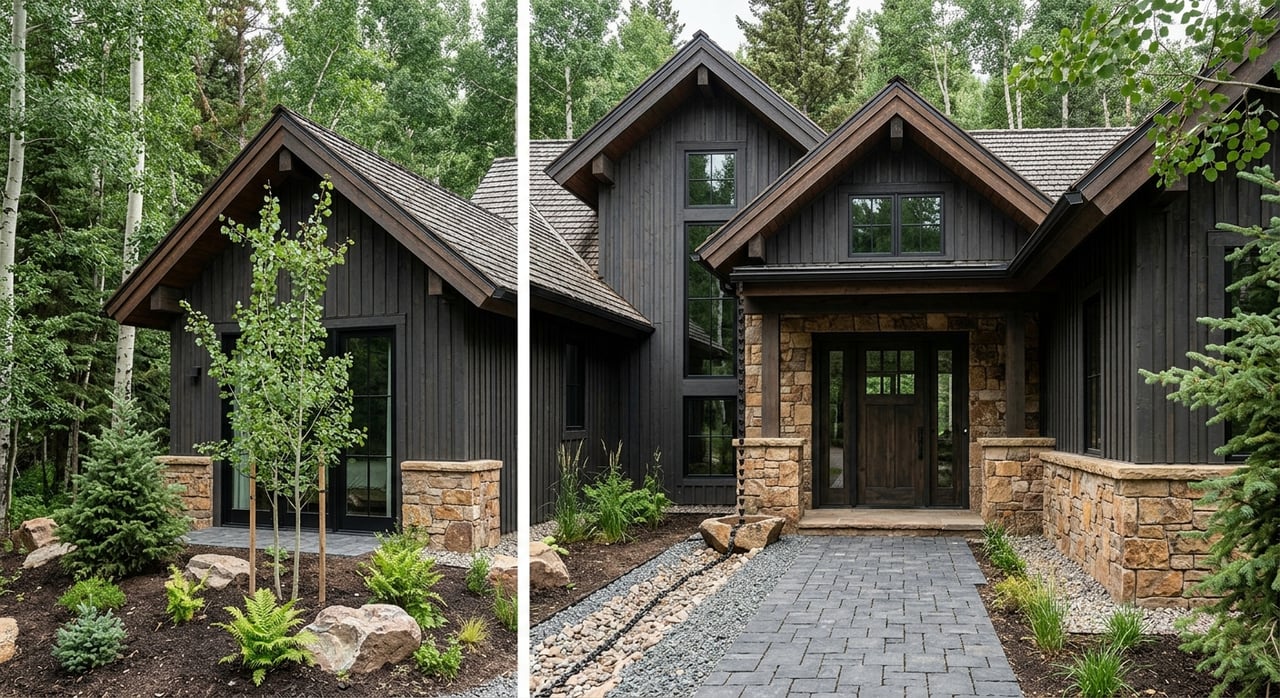
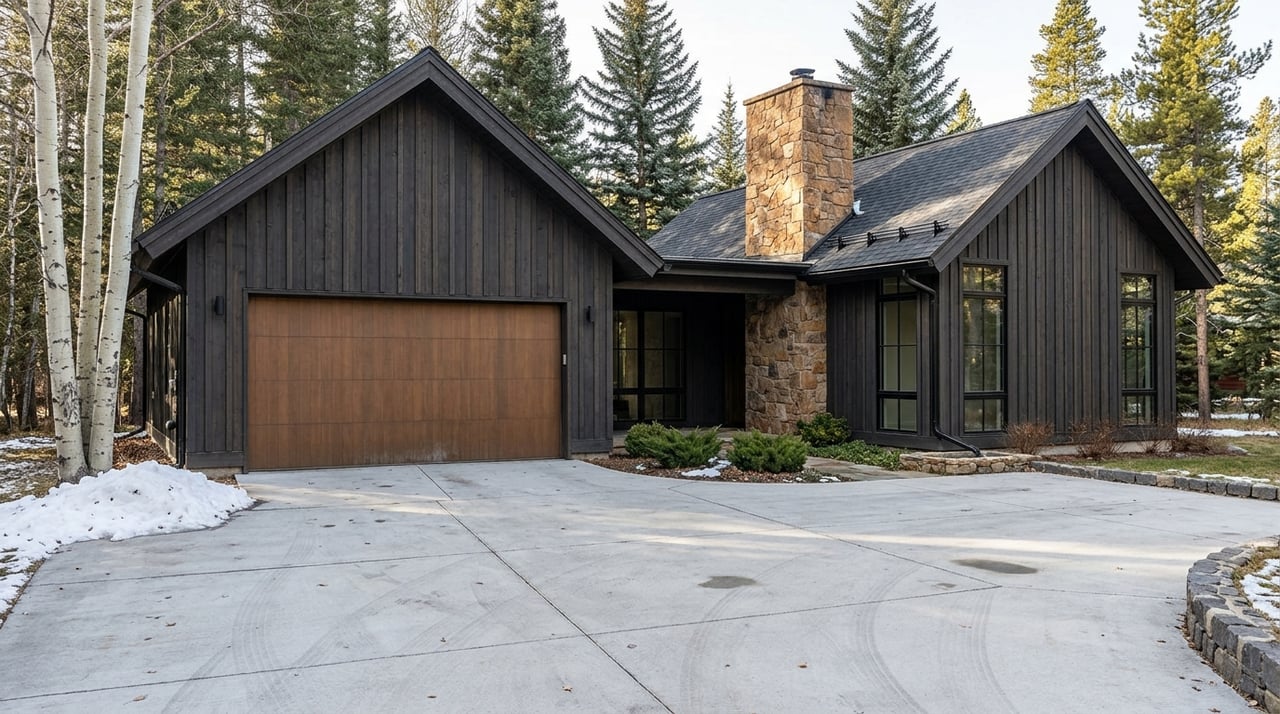
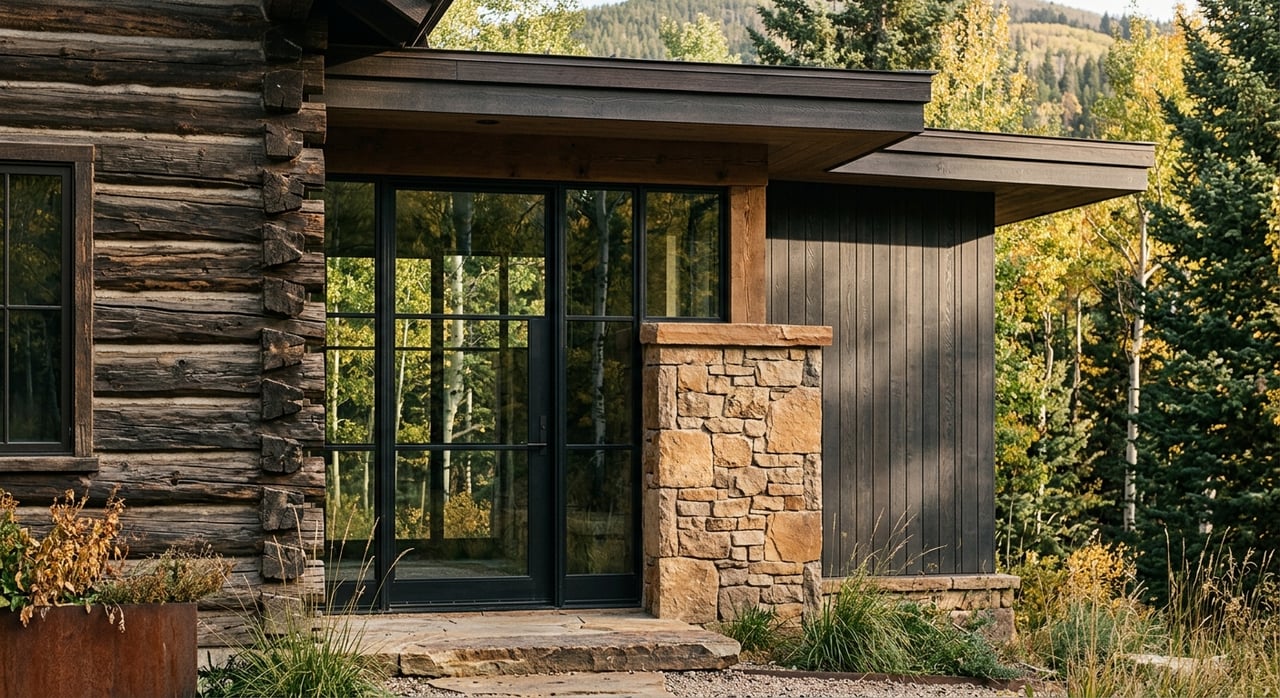
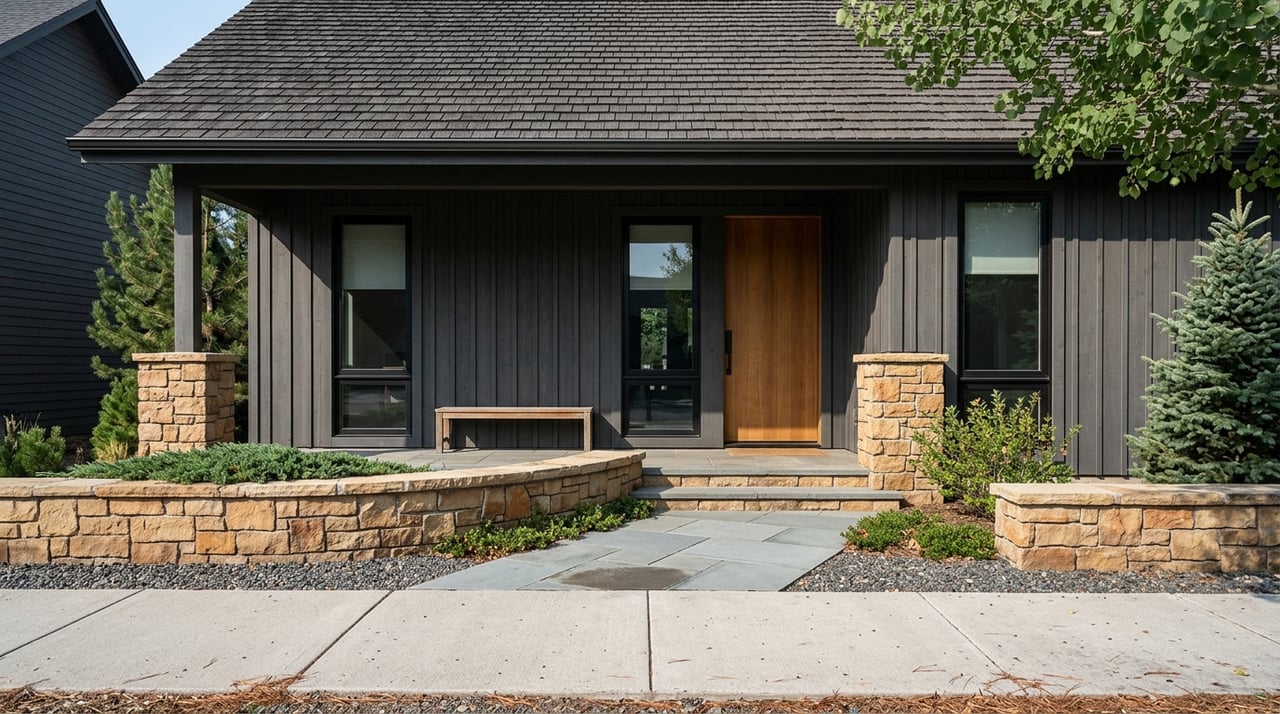
- Exterior and curb appeal updates. Garage and entry door replacements, siding refreshes, and well-designed decks often deliver strong value at resale. See the national ROI patterns in the Cost vs. Value report.
- Modest kitchen and bath refreshes. Focus on function, layout, and durable finishes rather than ultra-luxury. Midrange updates typically appeal to the widest buyer pool.
- Energy and comfort upgrades. Insulation, air sealing, cold-climate heat pumps, and heat-pump water heaters can trim utility bills and improve comfort. Stacking local rebates with federal incentives can reduce net cost. Start with Garfield Clean Energy’s ReEnergize program for guidance on eligibility and timing.
Tip: For solar or major HVAC work, factor in potential electrical panel upgrades and any structural needs for roof-mounted systems. Confirm whether rebates require pre-approval before spending HELOC funds.
Risks and repayment planning
A HELOC carries real risks you should plan for:
- Variable rate exposure. Payments can rise if rates increase or when the draw period ends. The CFPB outlines repayment-period payment jumps and other borrower protections.
- Your home is collateral. Missing payments can lead to foreclosure, just like a mortgage.
- Tax surprises. If you use funds for non-qualifying purposes, interest may not be deductible. Review IRS Publication 936 and consult a tax professional.
Plan your repayment before you borrow:
- Model an interest-only draw and the later amortizing payment so you know the jump you could face.
- Ask if you can convert part of your balance to a fixed rate, and what fees apply.
- Build a 10 to 20 percent project contingency and a monthly payment buffer.
Alternatives to compare
Before you lock in a HELOC, compare total cost, risk, and flexibility across options:
- Cash-out refinance. If today’s 30-year mortgage rate is materially lower than your current rate, a refinance that also pulls cash might make sense, but you could be giving up a great existing rate. Track rate trends with market coverage like this mortgage-rate update.
- Fixed-rate home equity loan. Predictable payments at a fixed rate, often slightly higher than an initial HELOC rate, but no variable-rate risk. See the differences in the CFPB overview.
- Renovation mortgages. Products like FHA 203(k) or Fannie Mae Homestyle can finance improvements at purchase or refinance in a single loan. Review program requirements and timelines.
Quick Carbondale HELOC checklist
- Scope and bids. Define your project and get 2–3 contractor bids. Include permit, electrical, and structural line items.
- Permits. Contact the Town early to confirm triggers, historic review needs, and inspections. Start with Carbondale’s permit FAQs.
- Financing comparison. Collect HELOC quotes and compare index, margin, caps, draw terms, conversion options, and fees against a fixed home equity loan and a cash-out refi. Use amortization comparisons and rate scenarios. Recent context: industry rate roundup.
- Rebates first. If you are doing efficiency or electrification work, check ReEnergize Garfield County for assessments and pre-approval steps.
- Tax documentation. Keep detailed receipts if you expect to deduct interest. Review IRS Publication 936 and confirm with your CPA.
- Repayment plan. Stress-test payments for higher rates and the end of the draw period. Build a cash buffer.
Ready to plan your upgrade?
If you are renovating to enjoy your home longer or to prep for a future sale, the right scope and financing can make a big difference in your net outcome. For neighborhood-specific guidance on which updates add value in Carbondale and how to position your property when you are ready to sell, connect with Garrett Reuss. You will get calm, practical advice backed by deep local experience in development, permitting, and marketing across the Roaring Fork Valley.
FAQs
Can you deduct HELOC interest for Carbondale renovations?
- Possibly. Interest is deductible when funds are used to buy, build, or substantially improve the home securing the loan; rules changed in 2025, so review IRS Publication 936 and confirm with a tax professional.
Are there local rebates that reduce heat pump or solar costs in Carbondale?
- Yes. ReEnergize Garfield County provides assessments, guidance, and access to rebates that can lower net costs; check eligibility and whether pre-approval is required.
Is a HELOC better than a cash-out refinance for upgrades?
- It depends on your current mortgage rate, how long you will keep the home, and your tolerance for variable rates; compare total costs and see current rate context in this industry roundup.
Which projects typically offer the best return in Carbondale?
- National data shows strong ROI for curb appeal projects and midrange kitchen or bath updates; energy upgrades with local rebates can also pay off. See the Cost vs. Value report for patterns and tailor scope to neighborhood norms.