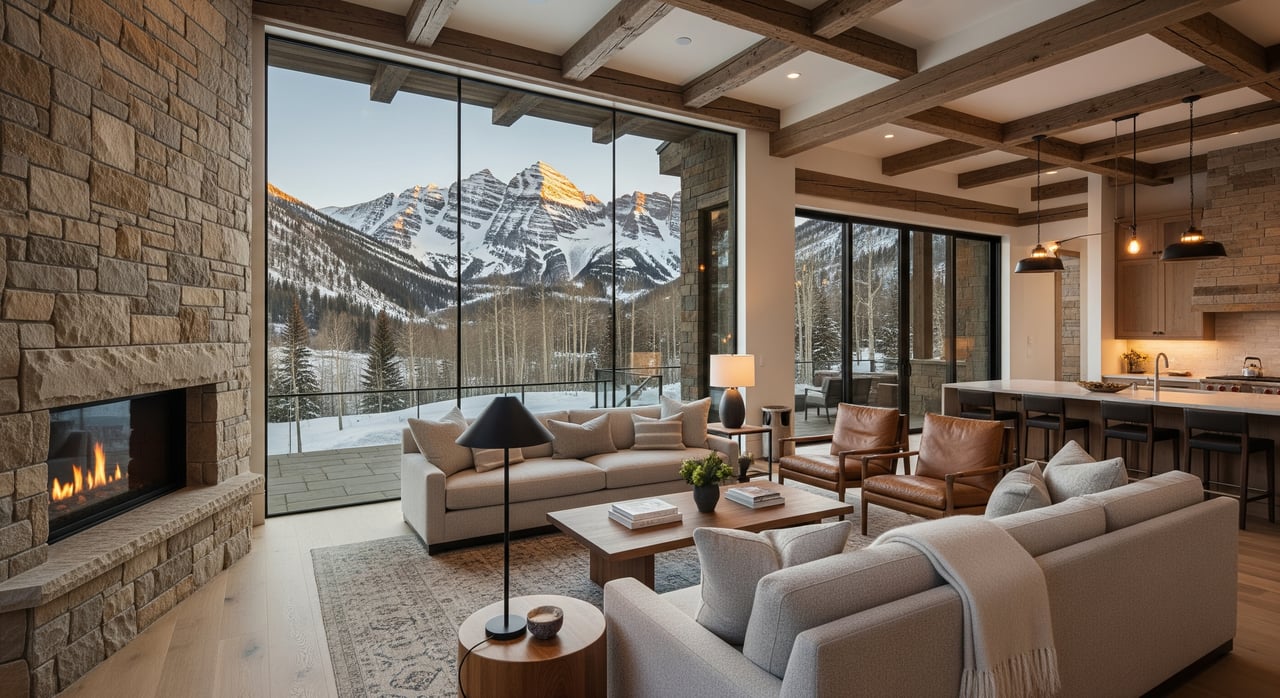
You see “turnkey” in an Aspen listing and wonder what that really covers. Does it mean you can show up with a suitcase, or that the property can start generating rental income on day one? In Aspen, the word carries weight, but it is not a legal term. In this guide, you will learn how to read “turnkey” the Aspen way, what to confirm in writing, and how to avoid surprises at closing. Let’s dive in.
What “turnkey” means in Aspen
“Turnkey” is marketing shorthand. There is no universal legal definition, so the details must be set out in the listing and the purchase contract.
- For a primary or second home, “turnkey” usually signals move-in-ready. That often means appliances, window treatments, working home systems, and basic cleanliness and safety.
- For an investor, “turnkey” often signals rental-ready. That can include furnishings, linens, stocked kitchenware, and an existing property manager with bookings and housekeeping in place.
The key is specificity. In Aspen, you should expect a written inventory and clear contract language that define exactly what “turnkey” includes.
Aspen specifics that shape “turnkey”
Furnishings and art
Aspen’s luxury and second-home market often advertises “fully furnished” or “turnkey,” but what is included can vary from designer packages to a simple starter set. Most furnishings and artwork are personal property. A detailed inventory and, if needed, a separate bill of sale should identify what transfers. Confirm whether custom built-ins are included since they are typically part of the real property. If condition matters, ask for photos, service records, or warranties for key items.
Rental-ready and STR rules
If “turnkey” means rental-ready, confirm that short-term rental requirements are met. In Aspen and Pitkin County, rentals are regulated, and operating may require registration, licenses, tax remittance, and compliance with zoning or neighborhood rules. A rental-ready claim should be backed by permits, a history of compliance, and clarity on whether any permits or accounts can transfer. If a manager is involved, verify the terms, fees, and whether the agreement is assignable.
Mountain systems and winter readiness
In a mountain climate, “turnkey” should account for heating and safety. Expect documentation for boilers, radiant floors, fireplaces, hydronic or snowmelt systems, roof heat cables, and any generator. Properties often need seasonal care and winterization. Ask whether recent servicing has been completed and whether a maintenance plan is in place through closing.
HOA, lockers, and amenities
In condos and resort settings, “turnkey” can extend to ski lockers, storage rooms, and assigned parking. Some of these are deeded or assigned under HOA rules. If a listing mentions club or resort memberships, confirm transferability and any initiation or transfer fees before you rely on those benefits.
Deed restrictions and use limits
Some Aspen and Pitkin County properties are part of deed-restricted housing programs. These homes carry resale controls and occupancy rules and are generally not eligible to be marketed as turnkey vacation rentals. Always confirm whether a property has any deed restrictions and understand the permitted uses before you write an offer.
Insurance and natural hazards
“Turnkey” does not include promises about insurance. In mountain areas, wildfire, flood, avalanche, or slope stability risks can affect coverage and costs, especially for short-term rentals. Verify policy availability and premiums early, and confirm any mitigation systems that are part of the property.
Buyers: verify your version of “turnkey”
Once you see “turnkey,” match it to your intended use and document everything. Ask for these items in writing and attach them to the contract where appropriate.
- Exact inventory with photos: list all included furniture, artwork, appliances, electronics, linens, outdoor equipment, and built-ins that are part of the real property. Include serial numbers when relevant.
- Service and maintenance records: recent service for HVAC, boilers, water heaters, fireplaces, roof systems, snowmelt, and septic or sewer.
- Warranties and service contracts: manufacturers’ warranties, appliance coverage, transferable home warranties, and any workmanship warranties.
- STR compliance package: copies of permits or licenses, lodging-tax remittance evidence, and any rules about transferring permits.
- Property-management agreements: full contracts, commissions, terms, any assignment rights, and an equipment list for items the manager supplies.
- HOA documents: CC&Rs, bylaws, budgets, financials, special assessments, and written confirmation of parking, storage, and locker assignments.
- Seller disclosures: Colorado seller property disclosure, lead-based paint disclosure if applicable, and any local forms that outline known defects.
- Amenity and membership evidence: written confirmation of transferability and any initiation or transfer costs for clubs or private amenities.
- Title and deed restrictions: verify there are no covenants that limit your intended use, including workforce or affordability restrictions.
- Operating costs: estimates for utilities, snow removal, trash, and HOA dues by season.
Sellers: advertise “turnkey” responsibly
Clear, documented inclusions protect your sale and reduce renegotiations. Prepare these items before listing.
- Inventory and bill of sale: a photo-rich inventory showing included, excluded, and negotiable items. Use a separate bill of sale for personal property.
- Condition and service history: logs and receipts for recent maintenance and repairs that support the turnkey claim.
- Precise listing language: state exactly what “turnkey” covers. For example, note included furniture, linens, kitchenware, and appliances, referring to the attached inventory.
- Transferable contracts: if possible, obtain written consent to assign property-management agreements or amenity memberships.
- STR documentation: if you market as rental-ready, provide permits, tax remittance history, and performance data such as occupancy or historic revenue to qualified buyers.
- Closing coordination: work with your escrow team so chattel transfers, assignments, and any membership approvals are handled at closing.
Contract language that reduces ambiguity
Put the “turnkey” promise into the documents. Your broker and closing team can help organize the right addenda.
- Inventory and condition addendum: list each included and excluded item and note condition when it matters.
- Bill of sale for furnishings: state that ownership of listed personal property transfers to buyer at closing.
- Management agreement assignment: attach the full contract and specify whether it is assignable and what consents are needed.
- Targeted inspections: allow inspections that test systems like boilers, snowmelt, and fireplaces, and include a review of STR permits if rental-ready is part of the value.
- Remedies and holdbacks: if high-value items or memberships are pending transfer, use escrow holdbacks or specific remedies if something fails to transfer.
Common pitfalls and how to avoid them
- Missing furniture or art: a seller removes pieces that were pictured but not itemized. Solution: attach the inventory with photos and value markers if needed.
- Rental-ready gaps: buyer expects an operating rental but receives no permits, management assignment, or account access. Solution: verify compliance, transferability, and account handoff in writing.
- System failures after close: a snowmelt, boiler, or fireplace does not perform. Solution: require recent service documentation and allow functional testing during inspection.
- Amenity surprises: a ski locker or membership does not transfer or carries large fees. Solution: obtain HOA written confirmation and membership transfer terms before due diligence ends.
Cost and tax considerations
Transferring furniture and other tangible personal property can raise sales or use tax questions. Short-term rentals require lodging tax collection and remittance. Insurance costs and coverage may change if you operate a rental or if a property sits in a higher-risk area. Coordinate early with your accountant, insurer, and local taxing authorities to understand your costs.
How we help in Aspen
Defining “turnkey” well is about anticipating the details. You want a clean handoff of furnishings, systems, management, permits, and amenities, matched to your goals. With deep experience across Aspen and Snowmass and a hands-on approach to documentation, you get steady guidance through inventories, addenda, and assignment logistics that keep deals on track.
When you are ready to buy or sell, connect with a trusted local advisor who can help you define and deliver “turnkey” with confidence. Book an appointment with Garrett Reuss to discuss your plans.
FAQs
What does “turnkey” include in Aspen listings?
- It usually means move-in or rental readiness, but specifics vary. Confirm in writing what furnishings, systems, permits, and amenities are included and attach an inventory to the contract.
What should be in a turnkey inventory list?
- Itemize furniture, artwork, appliances, electronics, linens, and outdoor gear with photos, makes, models, and serial numbers where relevant, plus any exclusions and condition notes.
How do Aspen STR rules affect a turnkey rental?
- Rental-ready claims should be supported by permits or licenses, proof of tax compliance, and clear terms for assigning any management contract or accounts to the buyer.
Are furnishings included in the sale price in Aspen?
- Furnishings are personal property and often transfer via a bill of sale. Clarify whether they are included, excluded, or priced separately, and confirm any tax implications with your advisor.
Can HOA amenities and ski lockers transfer in Aspen?
- Some are deeded and others are assigned under HOA rules. Get written confirmation of what transfers and whether fees or approvals apply before waiving contingencies.
Does “turnkey” guarantee system performance in winter?
- No. Require recent service records and functional testing for boilers, snowmelt, fireplaces, and roof heat systems, and include remedies if a system fails before closing.
What if the seller removes included items before closing?
- Use a signed inventory, a bill of sale, and remedies such as escrow holdbacks or replacement provisions in the contract to protect against removals.
Are deed-restricted homes ever turnkey rentals in Aspen?
- Deed-restricted properties carry use and resale limits and generally are not eligible for turnkey vacation rental marketing. Verify any covenants before writing an offer.