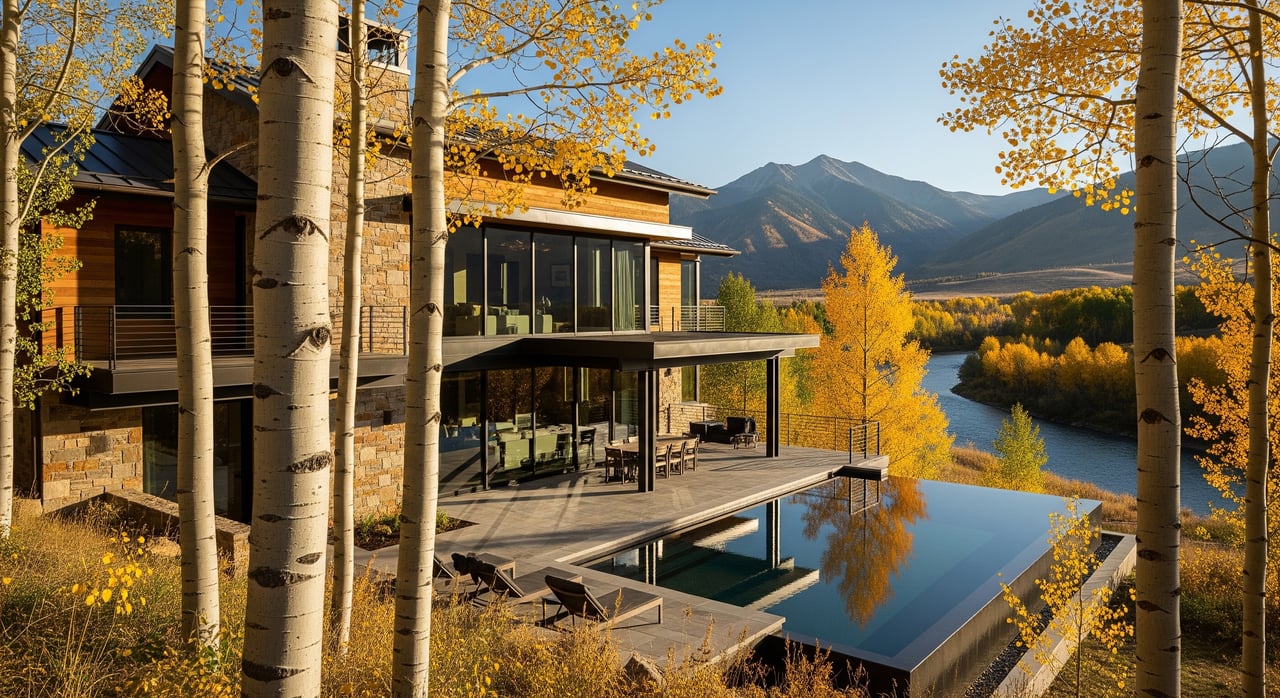
Thinking about selling your Basalt home but not sure when to list? In a resort-adjacent market like the Roaring Fork Valley, timing can make a real difference in how many qualified buyers see your property. You want strong exposure, smooth showings, and the right offer timeline. This guide breaks down Basalt’s seasonal patterns, who is in the buyer pool when, and how to prep for a top-tier launch. Let’s dive in.
Basalt demand cycles at a glance
Basalt blends full-time residents with second-home and vacation-rental activity. Proximity to Aspen and Snowmass, along with access to the Fryingpan and Roaring Fork Rivers, means recreation drives interest year-round. Your likely buyers include year-round locals, Front Range second-home shoppers, and destination buyers who come during ski and summer seasons.
- Winter: Late November to March brings visitors and resort-focused buyers to the valley.
- Spring: March to June often delivers broad buyer activity as many plan moves ahead of summer.
- Summer: June to August sees heavy tourism and families visiting, which can elevate visibility.
- Fall: September to October is calmer, with motivated buyers and striking foliage.
Inventory can shift with the seasons. Some owners pause listings in holiday periods or peak rental months. Thin supply in an off-peak window can help a well-priced listing stand out. Primary-home buyers watch mortgage rates and school calendars, while many second-home buyers use more cash and focus on lifestyle.
Best listing windows by season
Winter: Dec to Feb
- Pros: Destination buyers are in town for ski season. Winter lifestyle photos can be compelling. Showings may include serious second-home prospects.
- Cons: Weather can slow showings and inspections. Holidays can distract local buyers. Some sellers pull listings in December.
- How to win: Emphasize fireplaces, heated garages, and winter gear storage. Keep driveways clear and lighting bright. Target buyers who are already in the valley.
Spring: Mar to Jun
- Pros: Often the broadest buyer pool. Families want to move before summer. Fresh landscaping boosts curb appeal.
- Cons: More competition from other listings. Pricing and presentation must be sharp.
- How to win: Aim for early spring to get a first look. Use professional photography as landscaping pops. Price to drive early showings.
Summer: Jun to Aug
- Pros: Heavy visitation from vacationers and second-home shoppers. Outdoor spaces shine. Moving is easier for many buyers.
- Cons: Some buyers browse on vacation and decide later. Vacation rental occupancy can complicate showings.
- How to win: Market to Front Range and out-of-state visitors planning trips. Schedule weekend open houses during community events. Feature outdoor living and river access.
Fall: Sep to Nov
- Pros: Less listing competition than spring. Scenic foliage and calmer streets. Motivated buyers may act before winter.
- Cons: Shorter daylight and the holiday season limit the window. Schools and work routines take priority.
- How to win: Highlight efficient heating and winterization. Discuss closing timelines that fit the calendar year. Capture peak color for photos.
Match timing to your buyer
Your timing should track the most likely buyer for your property.
- Family buyers: Spring into early summer helps them close and move before the next school year.
- Second-home buyers: Winter and summer see strong visitation. Lean into lifestyle visuals and flexible showings.
- Investor buyers: Year-round, but they watch rental performance, regulatory context, and closing timelines. Provide rental history and clear disclosures.
Consider mortgage rate trends if your buyer pool is sensitive to financing. If rates dip or stabilize, buyer activity can pick up. Also weigh personal needs, such as tax timing and your preferred closing date.
Use supply to your advantage
Maximum exposure combines demand and competition. A non-peak month with lean inventory can outperform a busy season loaded with new listings. In the weeks before you list, monitor local metrics like active listings, new actives, pendings, and median days on market. A short 30- and 90-day snapshot helps capture seasonality, while a 12-month view shows the broader trend.
Align your on-market date with the valley’s event calendar when those events match your likely buyer. Weekends with ski races, festivals, or fly-fishing gatherings can increase foot traffic. Avoid launching right into major holidays when attention drops.
For winter listings, plan for snow removal and easy access. For properties near rivers or public lands, note seasonal access and any closures in your showing instructions.
Pricing and launch strategy
In peak buyer windows like spring and summer, pricing competitively can encourage early showings and stronger offers. In off-peak months, slightly more aggressive pricing or small incentives can widen your audience.
- Pre-launch: Lock in a pricing range based on recent Basalt comps and current supply. Prep media assets that showcase lifestyle and views.
- Launch week: Concentrate marketing during a high-attention period. Push digital ads and email when your target buyers are online. Weekends and afternoons tend to perform well.
- Exposure: Combine local channels with broader reach. Front Range exposure can bring qualified second-home buyers. Cooperation with neighboring resort markets can extend visibility.
If your property fits the luxury segment, curated distribution and press can expand the buyer pool beyond the valley. A thoughtful launch plan supports strong first-week momentum.
Prep timeline for sellers
A disciplined timeline keeps your listing crisp and ready when the window opens.
6 to 12 weeks out
- Decide your listing window based on seasonality and inventory.
- Complete major repairs, painting, and system checks.
- Order a pre-listing inspection and gather disclosures and HOA or rental information.
- Book a photographer and videographer for the best seasonal light.
2 to 4 weeks out
- Stage the property or use high-quality virtual staging.
- Finalize marketing copy for likely buyers: family, second-home, or investor.
- Coordinate desired closing timelines with your agent and attorney.
First 2 weeks on market
- Track showings and feedback. If traffic lags expectations, adjust price or features.
- Consider a broker open or public open house during a busy weekend.
If the market is slow
- Reassess pricing and enhance marketing. Add drone, expand audience targeting, or offer limited concessions like a closing credit.
Basalt-specific logistics matter. Keep driveways and paths clear in winter. If your home is near river or trail access, provide clear directions and note any seasonal closures.
Presentation that sells
Professional visuals are essential in every season. Use a complete package: high-res interior and exterior images, floor plans, 3D or virtual tours, and drone footage where appropriate.
- Winter: Capture bright, clear days. Showcase cozy features and snow management plans.
- Spring: Lean into fresh landscaping, decks, and play areas.
- Summer: Highlight outdoor living, river or trail access, and gear storage.
- Fall: Use color and warmth. Emphasize energy efficiency and winter readiness.
A tidy, decluttered home with simple staging helps buyers imagine their own life in the space. Small repairs can prevent surprises later and keep your escrow on track.
Special notes for rental properties
If your home is a vacation rental, timing may need to work around bookings. Decide if you will protect peak revenue weeks or aim for a faster sale. Provide clear rental history, occupancy data, and any relevant rules or permits. Investor buyers value clean documentation and realistic income expectations.
Be ready to discuss seasonal revenue variability. Explain how shoulder-season pricing and occupancy behave, and outline any house rules that affect guest stays or showings.
A simple decision framework
Use this quick framework to pick your best listing window:
- Define your target buyer. Family, second-home, or investor.
- Check supply and demand. Review Basalt actives, new listings, pendings, and days on market over 30, 90, and 365 days.
- Overlay the calendar. Consider school timing, holidays, and local events that match your buyer.
- Watch financing climate. If rates are easing and your buyer is rate-sensitive, lean into that window.
- Set your launch week. Align media, staging, and open houses for a clean start.
- Be ready to adapt. Use feedback from the first two weeks to fine-tune pricing and marketing.
Ready to sell with confidence
There is no one-size-fits-all answer for Basalt. Spring and summer often bring the largest audiences, but a well-prepared winter or fall listing can perform if inventory is lean and your marketing is dialed. The right move is to match your buyer, the local supply picture, and your personal timeline.
If you want a calm, data-backed plan tailored to your property, reach out to Garrett Reuss. You will get seasoned local advice, thoughtful preparation, and a precise launch designed for maximum exposure.
FAQs
Is spring always best for Basalt sellers?
- Spring often draws the broadest pool, but low inventory in fall or winter can deliver strong results if pricing and presentation are on point.
Should I avoid listing in winter in Basalt?
- Not necessarily. Winter brings destination buyers to the valley, so highlight cozy features and ensure access and showings run smoothly.
When should families list to move before school?
- List in spring to allow time for showings, negotiations, inspections, and a summer closing that fits the school calendar.
How do mortgage rates affect timing in Basalt?
- If your buyer is rate-sensitive, periods of falling or stable rates can increase activity. Time your launch when financing conditions improve.
Do local events increase listing exposure?
- Yes, if the event attracts your target buyer. Coordinate open houses around high-traffic weekends and avoid major holidays that reduce attention.
What if my home is a short-term rental?
- Share clear rental income and occupancy history, disclose rules, and time showings around bookings to appeal to investor buyers.