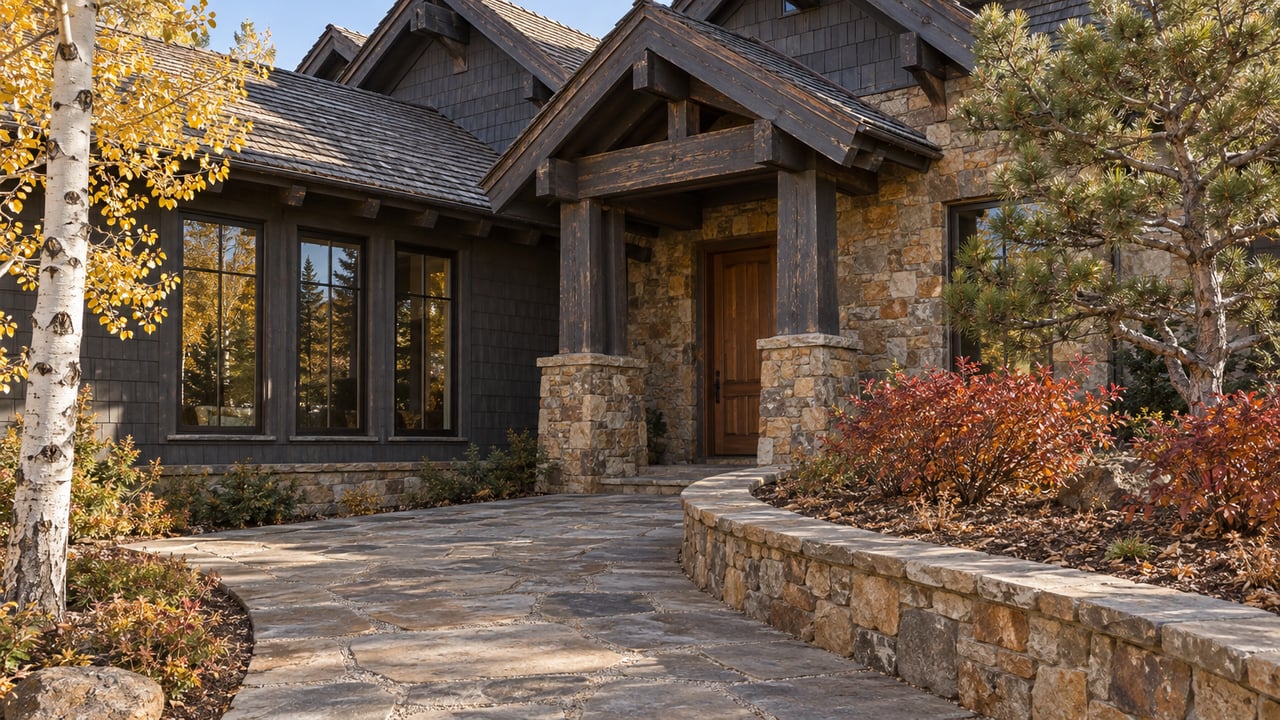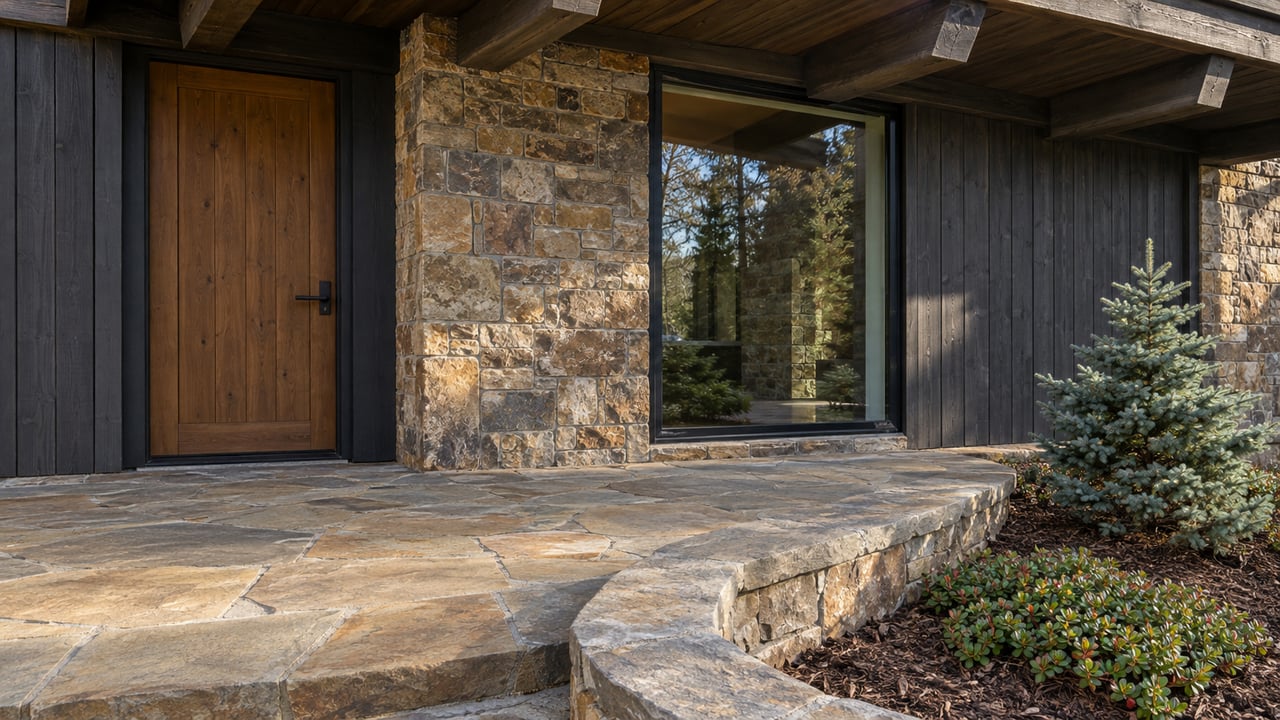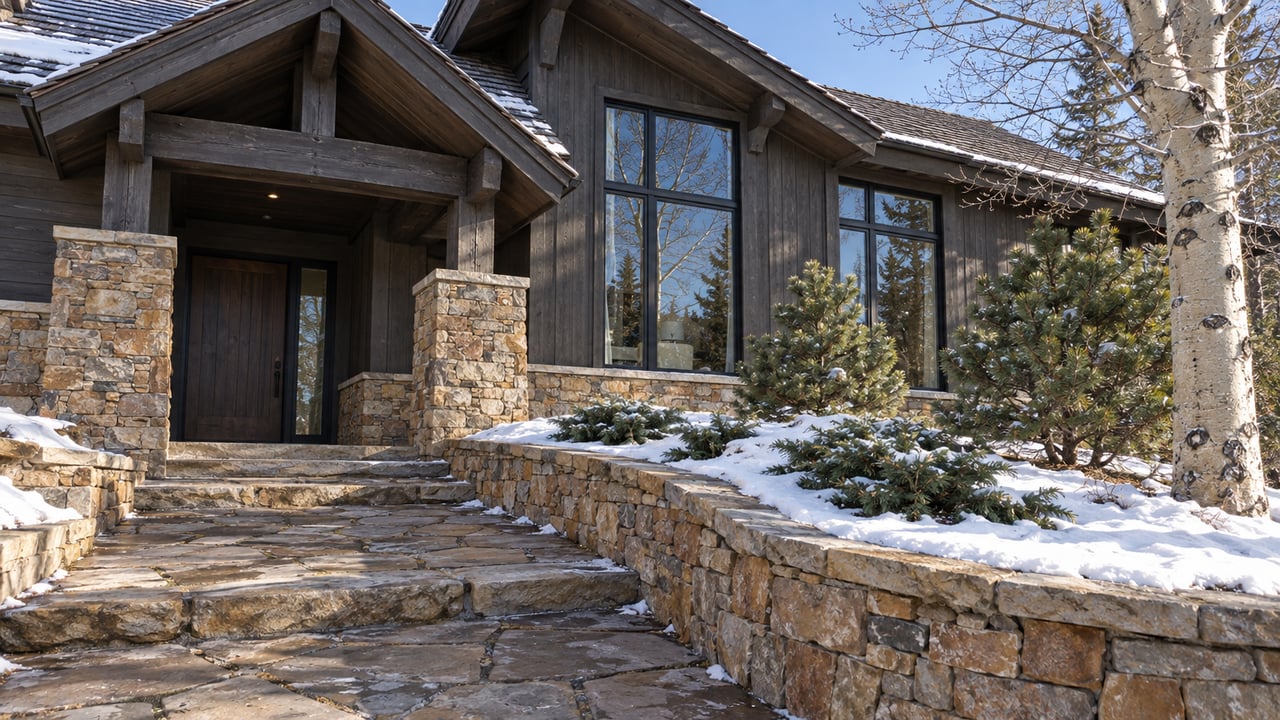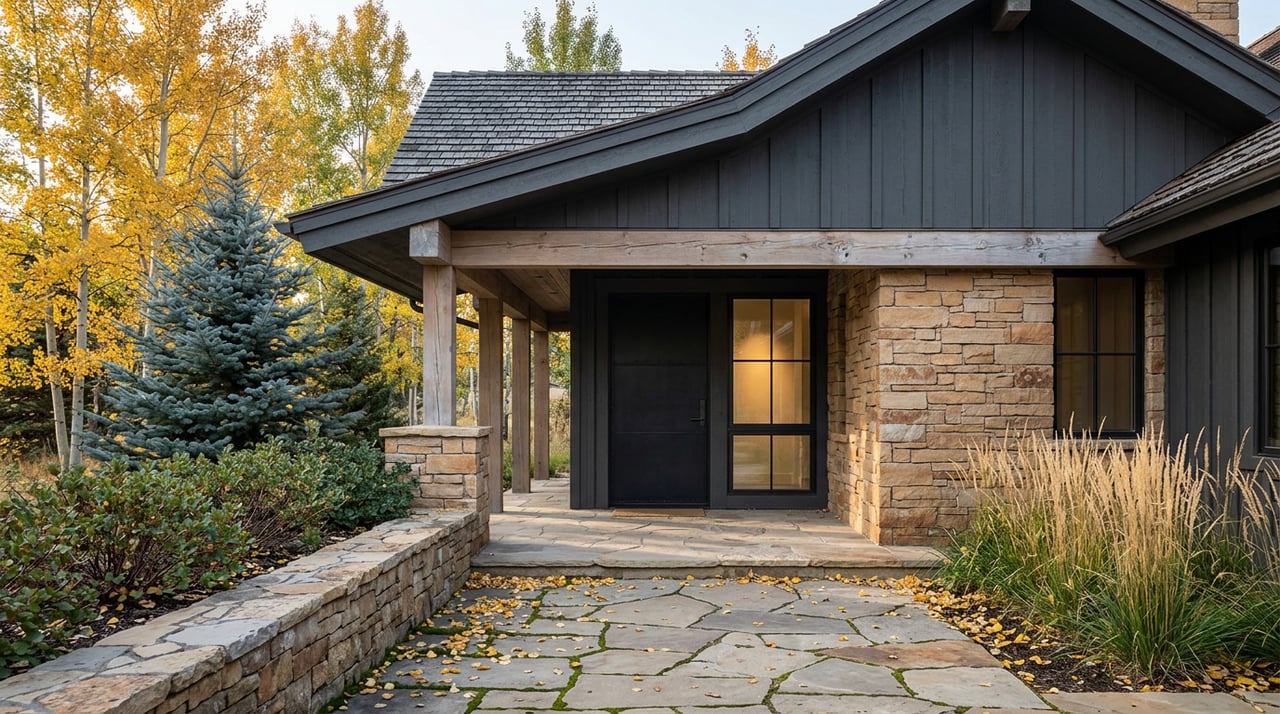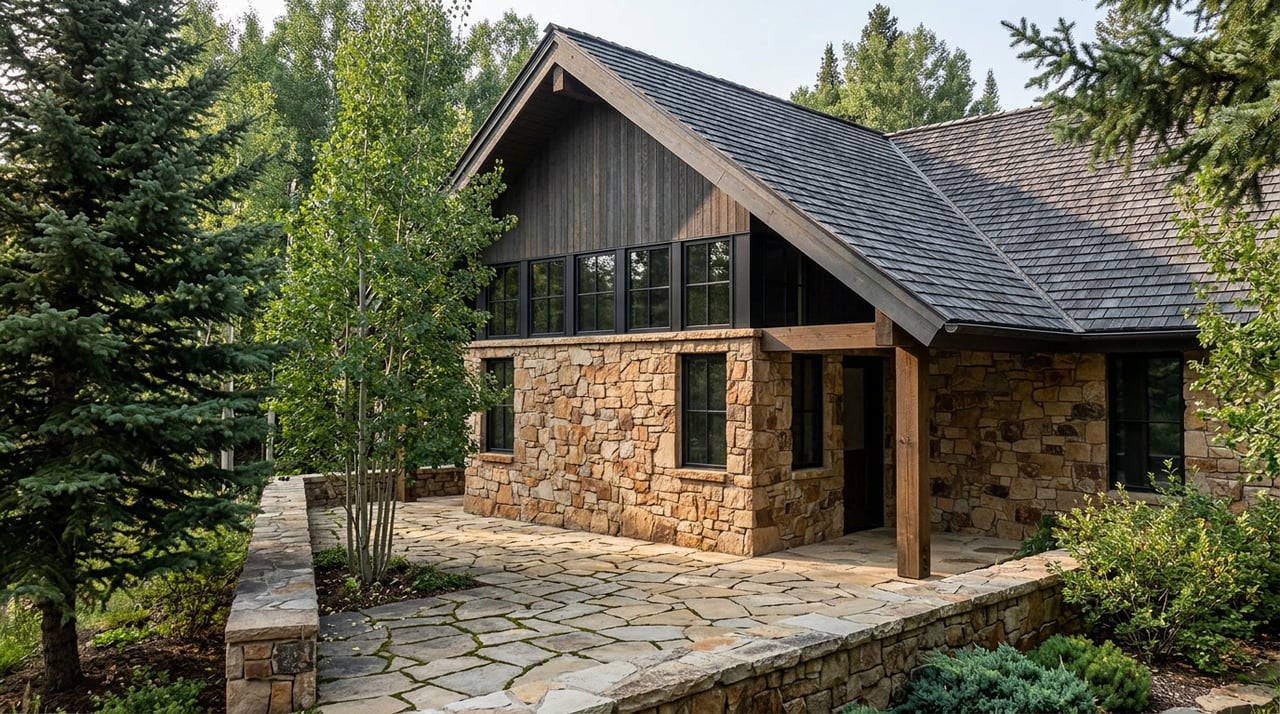
Bill Koch listed his 52-acre Castle Creek compound at $125 million. It closed at auction on August 3, 2026 for $37.8 million, a little over $1,500 a square foot furnished. That is not a rounding error. That is a seller cutting the ask by nearly 70 percent and still finding a buyer in a market described as holding firm.
If you have been comparison shopping Aspen this year, you have probably run into a version of this contradiction already. One site tells you the median sale price is down more than 50 percent year over year. Another says it barely moved. A third says it is up 7 percent. All three are describing the same town, in the same summer, using data that is technically accurate and still leaves you no closer to understanding what a property actually costs.
The Koch sale is the clue. Aspen's 2026 market isn't confusing because the numbers are wrong. It's confusing because the number of transactions generating those numbers has shrunk so far that a single closing can swing the headline by tens of millions of dollars. Understanding that mechanism, not memorizing a median, is what actually tells you what you're buying into.
The Same Summer, Four Different Answers
Here is what a buyer researching Aspen in September 2026 runs into, depending on which source they land on first:
| Source | Metric | Reported change |
|---|---|---|
| Portal aggregator (trailing 3 months) | Median sale price | Down over 50% year over year |
| Portal aggregator (home value index) | Average home value | Up roughly 7% year over year |
| Flat-fee listing site | Median sale price | Roughly flat year over year |
| Local brokers, citing the Estin Report | Aspen single-family median | Held firm; 2025 closed at $17.5 million |
None of these sources is lying. They're sampling different slices of an extremely thin market and reporting the result as if it were a stable trend line. When a town sells 15 or 46 homes in a given month, one $91 million purchase or one $37.8 million auction can move the median more than a genuine shift in buyer demand ever could.
What's Actually Thinning
Set aside the price debate for a second, because the volume story is the one that's unambiguous. Aspen Snowmass real estate posted its lowest first-quarter sales performance since 2020, according to the Estin Report's Q1 2026 figures as covered by the Aspen Times. Sales above $20 million, the segment that has defined Aspen's narrative since 2024, slowed from 16 transactions in the first half of 2025 to 12 in the first half of 2026, a 25 percent decline.
The reasons are not mysterious. A drought winter with a genuinely bad ski season kept early-year buyers home. Tariff anxiety, Middle East conflict headlines, and a general wait-and-see mood among high-net-worth buyers did the rest. But the decline in transactions is happening on the buyer side. The seller side is where the story gets interesting, because Aspen's sellers largely aren't responding to slower demand the way sellers in a normal market do.
"It does affect the psychology of the market," Tim Estin, the broker who authors the Estin Report, told the Aspen Times, describing how a single outsized sale in a neighborhood pulls every other listing's expectations upward with it. Sellers who bought years ago are sitting on enough appreciation that they don't need this buyer, this season, or even this year. If the number doesn't come in, they wait for the next cycle.
The Billionaire Effect, By the Numbers
This behavior has a name locally, and it isn't a metaphor. Appraiser Randy Gold has tracked billionaire property ownership in Pitkin County for years at the Aspen Board of Realtors' annual luncheon. His estimate climbed from 100 to 125 in earlier years to an estimated 200 to 225 billionaires now holding property in the county, according to his March 19, 2026 presentation, as reported by the Aspen Times.
What that concentration produces in practice:
- Roughly 65 to 70 percent of all Aspen transactions close in cash, which insulates sellers from mortgage rate cycles and removes any financing pressure to negotiate.
- A single record sale, like the $108 million close on Red Mountain's Willoughby Way, doesn't just set a ceiling. It resets the comparable set every other seller on that street points to.
- Buyers at this level frequently purchase in compound fashion, adding an adjacent lot, a staff condo, or nearby commercial space rather than a single home, which means demand doesn't show up as one transaction. It shows up as three or four, clustered around one buyer's decision.
None of this means the median is fake. It means the median is describing the behavior of a few hundred extremely patient sellers and a handful of extremely motivated buyers, not a market of ordinary supply and demand.
What This Actually Buys You, Neighborhood by Neighborhood
The billionaire effect doesn't distribute evenly across Aspen, and that's where the practical value is for anyone actually comparing addresses instead of headlines.
The West End, with its historic homes and walking distance to the Aspen Institute and the Music Tent, saw average sale prices climb from roughly $10.98 million in 2024 to about $13.28 million in 2025. That's a real demand story: buyers paying for proximity and architectural character, not a fluke.
East Aspen moved from an average of $10.25 million to $11.96 million over the same period, reflecting buyers who want the Roaring Fork River corridor without paying full core pricing.
Red Mountain is the neighborhood that shows exactly how misleading a single number can be. Its average sale price fell from $32.09 million in 2024 to $22.38 million in 2025, a drop that on paper looks like the neighborhood cooled. It didn't. That $32.09 million average was inflated by the single $108 million Willoughby Way closing. The lower 2025 average reflects fewer ultra-estate transactions, not declining desirability. A buyer reading only the year-over-year average would conclude the opposite of what actually happened.
This is the pattern to watch for anywhere in Aspen: ask how many transactions sit behind the number you're reading, not just what the number says.
The Regulatory Backstop
None of this volatility gets fixed by new supply arriving to calm things down, because Aspen has built rules that make new supply structurally slow to appear. The city's Growth Management Quota System caps residential development allotments annually, and demolition and redevelopment allotments specifically are capped at six per year, awarded by lottery since a 2023 policy change, according to Aspen Daily News coverage of the program. Two additional allotments are available each year for owners who have held their Aspen home for at least 35 years. The full framework is laid out on the city's own regulatory page.
That cap means a slow sales year doesn't translate into a construction boom that eventually softens prices. Even if every buyer in Aspen decided tomorrow they wanted a newly built home instead of competing for existing inventory, only a handful of teardown projects could legally proceed in any given year. The scarcity that supports pricing at the top isn't cyclical. It's written into the code.
What To Actually Ask Before You Trust a Number
If you're comparing Aspen against another resort market, or comparing one Aspen neighborhood against another, the headline median is the least useful number you'll encounter. Ask instead how many closings the figure is based on. A median built on 10 sales in a single month tells you almost nothing about the next property that comes to market. Ask whether any single transaction above $20 million closed in the window being measured, because in Aspen, one sale routinely resets a neighborhood's entire comparable set. And ask what the seller's actual carrying cost and holding period looks like, because a seller who bought a decade ago and doesn't need this year's price behaves nothing like a seller carrying a 2022 purchase price.
A Few Questions Worth Asking
Is the Aspen market crashing in 2026? No. Transaction volume has slowed sharply, the slowest first half since the pandemic years, but pricing at the top of the market has largely held because sellers with significant equity aren't forced to discount.
Why do different sites report such different price changes for the same market? Because Aspen sells so few homes in any given month that the mix of what happens to close, whether that's a $2 million condo or a $100 million estate, swings the reported median or average dramatically. A trend calculated from a handful of sales isn't a trend. It's a snapshot of who happened to transact.
Does a slower market mean more room to negotiate? Sometimes, and it depends entirely on the seller. A recent buyer with a 2022 or 2023 purchase price and carrying costs may have real motivation. A long-term owner with decades of appreciation typically doesn't, and the data suggests most of Aspen's active sellers fall into the second category right now.
The number that matters in Aspen isn't the one on the homepage of any aggregator. It's the one behind it: how many sales, over what window, and who was selling. If you're trying to figure out what a specific Aspen address or neighborhood actually costs right now, and want someone who tracks which closings are driving the headline rather than just repeating it, Garrett Reuss can walk you through the comparables that matter for your search. Book an appointment to talk through where you're looking.
This article is general information, not legal, tax or financial advice. Consult a qualified professional about your situation.