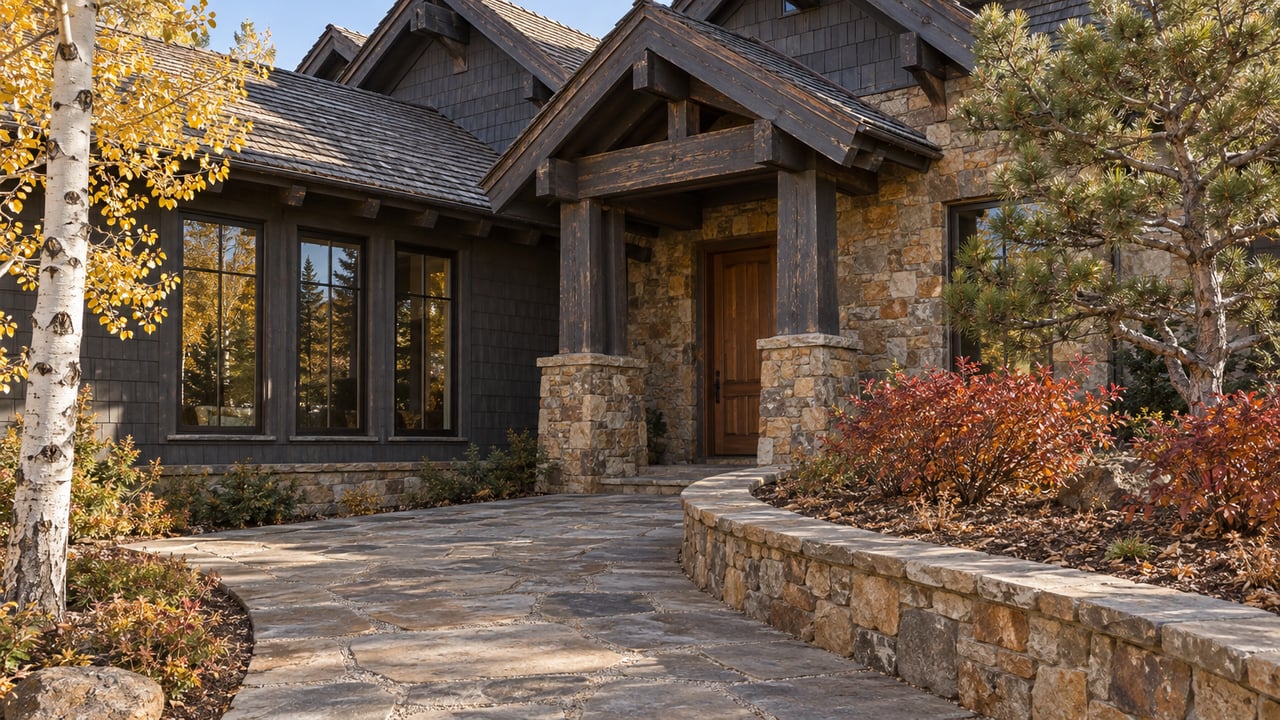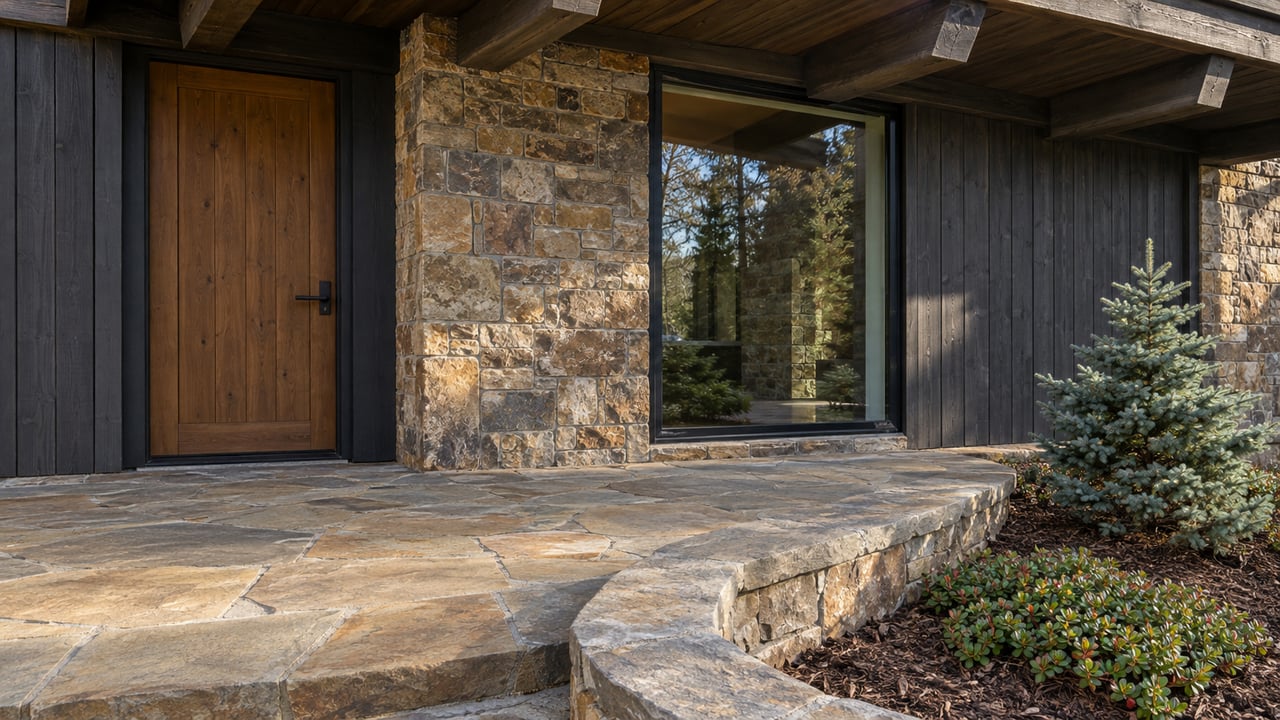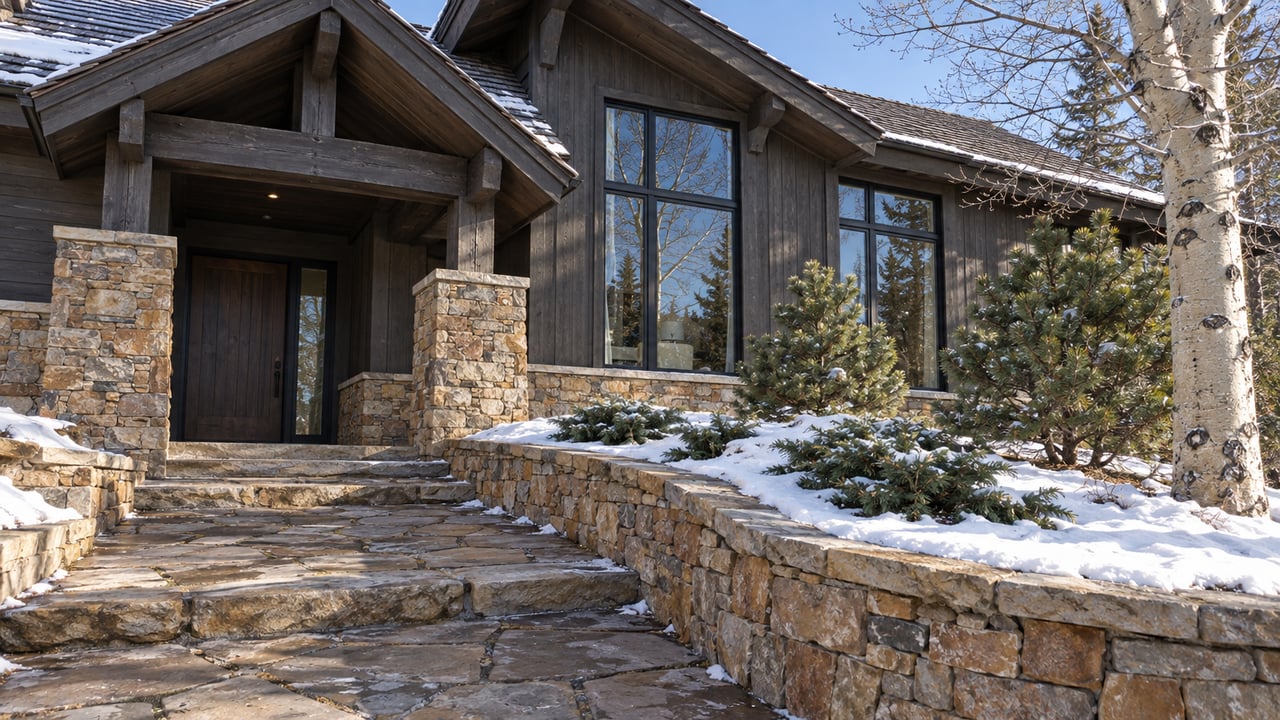
If you are looking at Snowmass Village homes through an investor lens, it helps to pause before you fall in love with the view alone. In a resort market, the right property is not just about finishes or square footage. It is about legal use, carrying costs, seasonality, and how the location functions for both you and future guests. This is where a more disciplined approach can protect your upside and your peace of mind. Let’s dive in.
Why investor thinking matters in Snowmass Village
Snowmass Village is not a typical second-home market. The town describes itself as a year-round resort community in Pitkin County, and Aspen Snowmass promotes both winter and summer activity, from skiing and tubing to biking, hiking, concerts, and on-mountain dining. That means demand can come from more than one season, but it also means your analysis should account for seasonal swings instead of assuming steady performance year-round.
The local policy environment matters here too. Snowmass Village has planning priorities tied to community character, access, safety, village connections, and transit-oriented development. For you as a buyer, that means location is not just a lifestyle preference. It can affect convenience, guest appeal, and how a property fits into the broader direction of the town.
Start with legal use first
Before you estimate rental income, confirm whether the property can legally be used the way you want. In Snowmass Village, short-term rentals of fewer than 30 consecutive days require both a business license and a permit. The town also requires the permit number to appear on advertising, and violations can lead to fines or loss of the permit and business license.
That makes legal-use diligence a first step, not a final checklist item. A home may look attractive as a rental candidate, but if its use is restricted, the numbers can change quickly. This is one reason experienced local guidance matters in Snowmass Village.
HOA rules can change the picture
Town approval is only part of the equation. Snowmass Village also states that owners must verify HOA rules and follow the most restrictive rules in place. In practical terms, that means a property might comply with town rules but still be limited by private covenants.
If you are comparing condos or planned communities, ask early about rental restrictions, guest policies, parking rules, and any operational limitations that could affect turnover or occupancy. Small constraints can have a big impact on usability and income potential.
STR permits do not transfer
This is an easy detail to miss. Snowmass Village says a change of ownership requires a new permit. You cannot assume an existing permit will carry over to you at closing.
That matters when you are evaluating a property marketed with rental history or current STR use. Past use may be helpful context, but your future use still depends on your own ability to qualify, apply, and comply under current rules.
Underwrite carrying costs carefully
In a resort market, strong gross revenue can distract buyers from the full cost picture. In Snowmass Village, disciplined underwriting means looking beyond mortgage and HOA dues. You should evaluate taxes, utilities, district assessments, compliance costs, and any operational expenses tied to guest use.
Pitkin County explains that property tax is calculated using actual value, the applicable residential assessment rate, and the mill levy. The county also notes that properties are reappraised every odd-numbered year using an 18-month sales window ending June 30 of the even year. That reappraisal cycle is important if you are projecting future ownership costs.
Key cost categories to review
As you evaluate a home or condo, build your cost model around items like these:
- Property taxes based on actual value, assessment rate, and mill levy
- HOA dues and any special assessments
- General Improvement District obligations, if applicable
- Insurance
- Utilities, including water, gas, electricity, and waste services
- STR permit fees and business-license compliance costs
- Parking or access-related costs
- Possible transfer-tax obligations at closing
A property that looks efficient on paper can become less attractive once these items are fully loaded into the analysis.
Base Village requires extra attention
If you are considering property in Base Village, do not stop at HOA dues. The area sits inside a General Improvement District that helps fund infrastructure and services such as fire protection equipment, snowmelt, walkways, road infrastructure, lighting, and gondola lift service.
For you, that means it is wise to verify any district-related assessments or obligations during due diligence. In premium resort locations, convenience often comes with layered costs. The question is not whether those costs exist. It is whether they are justified by the use, access, and long-term value of the property.
Seasonality should shape your projections
One of the biggest mistakes buyers make in resort markets is underwriting only the peak season. Snowmass Village benefits from winter and summer demand drivers, which is a strength. Still, seasonality does not disappear just because the town is active year-round.
A better model includes shoulder-season assumptions. Local context supports that approach. The town has specifically identified off-seasons such as early December, early April, and late September as periods worth protecting, which underscores the importance of realistic occupancy planning.
Think in ranges, not best-case scenarios
Instead of building your model around ideal conditions, use a range of outcomes. Consider what performance may look like during peak winter, strong summer weeks, and quieter shoulder periods. This can help you avoid overpaying based on optimistic expectations.
A thoughtful projection also helps you compare two properties more clearly. One home may have slightly lower peak upside but stronger year-round usability because the location is simpler, the access is easier, or the operating rules are cleaner.
Location affects both lifestyle and returns
In Snowmass Village, location is not just about prestige. It directly affects convenience, guest logistics, and the day-to-day experience of owning the property. That can shape both your personal enjoyment and the home’s rental appeal.
The town identifies the Snowmass Mall area as the heart of the community and a primary portal to the mountain. It also emphasizes stronger connections between Base Village, the Mall, and the Center, along with multimodal access. Snowmass Village also offers free year-round bus service between Snowmass Village and Aspen through RFTA, and Aspen Pitkin County Airport is about seven miles away.
What to prioritize in location
When you evaluate homes with an investor mindset, pay close attention to:
- Proximity to lifts or trail access
- Ease of reaching Base Village, the Mall, or the Center
- Shuttle and transit convenience
- Airport access for you and guests
- Walkability to dining and activity nodes
- Practical arrival and departure logistics in winter and summer
In a market like Snowmass, easy access can support both enjoyment and demand. It can also simplify ownership, especially if you plan to split time between personal use and rental use.
Not every property is the same asset class
Snowmass Village has a policy-sensitive housing environment. The town manages rental apartment units, administers deed-restricted sale units, and maintains housing regulations designed to preserve affordability for qualified buyers. That makes it important to distinguish between market-rate property and deed-restricted inventory.
If a home is deed-restricted, it should not be underwritten like a conventional investment property. Restrictions on ownership, occupancy, resale, or use can materially change its value proposition. This is a critical point for buyers who are scanning listings quickly and assuming every opportunity fits the same model.
Ask better due-diligence questions
A strong purchase decision usually comes down to the quality of the questions asked before you go under contract. In Snowmass Village, those questions should go beyond finishes, views, and recent rental history. You want to understand whether the property works operationally, legally, and financially.
Here are some of the most useful questions to ask:
- Can you legally use the property the way you intend?
- Will you need a short-term rental permit and business license?
- Do HOA rules limit rentals, guest stays, or operations?
- Is the property in Base Village or another area with additional assessments?
- What are the full annual carrying costs?
- Is the home market-rate or deed-restricted?
- How does the location perform in winter, summer, and shoulder seasons?
- What happens to your numbers if occupancy or expenses shift?
The goal is not to make the process complicated. The goal is to remove avoidable surprises.
Think beyond the spreadsheet
Investor thinking is not only about cap rates or gross income. In Snowmass Village, the best opportunities often sit at the intersection of lifestyle, legality, and long-term usability. A property with clean permissions, strong access, manageable carrying costs, and flexible personal use may be more valuable than one with flashier marketing but weaker fundamentals.
That is especially true in a market where development, permitting, and operational details can shape outcomes. If you are buying for part personal enjoyment and part income potential, you need a strategy that respects both sides of the equation.
The right advisor can help you pressure-test assumptions, compare locations, and spot details that may not show up in a listing description. If you are thinking about buying in Snowmass Village and want a grounded, local perspective, connect with Garrett Reuss for thoughtful guidance tailored to your goals.
FAQs
What makes Snowmass Village different for real estate investors?
- Snowmass Village is a year-round resort market where seasonality, access, local policy, and short-term rental rules can all materially affect a property’s performance and usability.
What short-term rental rules apply in Snowmass Village?
- Rentals of fewer than 30 consecutive days require both a business license and a permit, permits expire annually on April 30, permit numbers must appear in advertising, and owners must follow both town rules and any stricter HOA rules.
Do Snowmass Village short-term rental permits transfer to a new owner?
- No. The town states that a change of ownership requires a new permit, so buyers should not assume an existing STR permit will carry over after closing.
What carrying costs should buyers review for Snowmass Village homes?
- You should review property taxes, HOA dues, possible district assessments, insurance, utilities, STR compliance costs, parking-related expenses, and any transfer-tax obligations that may affect your ownership costs or sale proceeds.
Why does Base Village need special due diligence?
- Base Village is within a General Improvement District that funds infrastructure and services such as snowmelt, walkways, lighting, road infrastructure, and gondola lift service, so buyers should verify any added obligations along with HOA dues and town taxes.
Should deed-restricted homes in Snowmass Village be analyzed like market-rate investments?
- No. The town’s housing regulations make deed-restricted inventory a separate asset class, so those properties should not be evaluated like conventional market-rate investment purchases.
How should buyers model rental demand in Snowmass Village?
- A realistic model should include winter, summer, and shoulder-season assumptions because Snowmass has multiple demand drivers but still experiences seasonal variation, especially in slower periods such as early December, early April, and late September.