If you have spent any time browsing listings in Snowmass Village, you have seen the words “ski-in/ski-out” used a lot. The catch is that it does not mean the same thing everywhere. In a mountain as large and varied as Snowmass, ski access ranges from true door-to-run convenience to a quick stroll across a plaza. If you understand the differences, you can focus on the homes and condos that match how you and your family actually ski.
In this guide, you will learn the common types of access in Snowmass, how the resort layout affects your day-to-day, and what to verify before you buy or sell. You will also get a simple checklist to test any listing’s claims during winter. Let’s dive in.
What “ski-in/ski-out” really means
Because there is no legal definition, think of ski access as a spectrum:
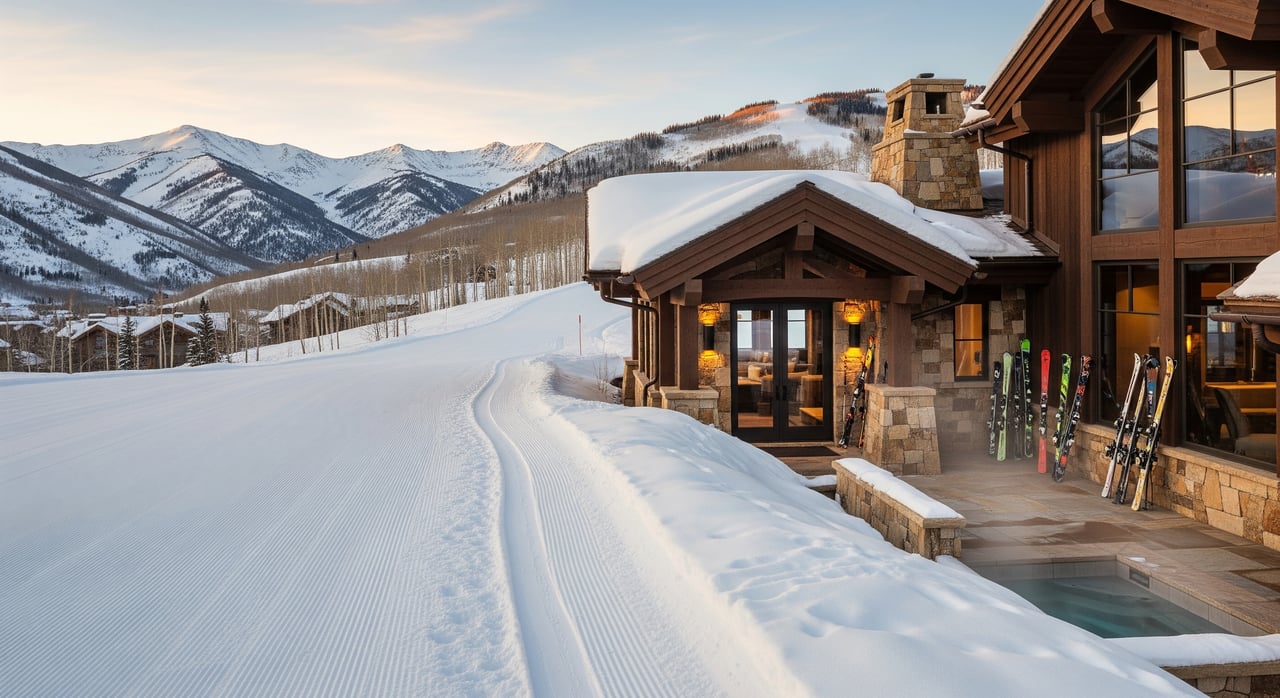
- Direct or true ski-in/ski-out: You can clip in at the door, ski to a groomed run or lift, and return the same way without removing skis or crossing a road.
- Ski-to-door or ski-nearby: You ski down close to the building, then walk a short distance or cross a plaza to your door. The morning route may involve a short walk to reach the first run or lift.
- Ski-adjacent or ski-easy: You are very close to the lifts or runs, but daily door-to-run skiing is not reliable. You may use a short path, stairs, or a shuttle for part of the day.
- Resort access or shuttle access: You rely on the resort shuttle, gondola, or a vehicle to reach the lifts. Some listings still call this “ski access,” but it is not ski-in/ski-out.
The takeaway: always verify the exact winter route. In Snowmass, small differences in a path, road crossing, or connector trail can change your daily experience.
Snowmass access: what to expect
Snowmass is part of Aspen Snowmass and spans multiple base areas, lifts, and connector trails. Some buildings sit right on groomed runs. Others are steps from the plaza. A few are close to the action but separated by a road, service lane, or bridge.
It helps to orient yourself with the official Snowmass trail map. It shows lifts, named runs, groomed connectors, and the Base Village footprint. When you evaluate a property, trace the route from the door to the nearest lift and back again, and note any walkways, stairs, or crossings.
Base Village condos and hotels
Buildings in or right next to Base Village are often advertised as ski-in/ski-out. Many include ski rooms, lockers, and heated sidewalks that make transitions easy. Your morning may be as simple as a few steps to the plaza and a glide to the lift. Your return may bring you within a short walk of the door. This is the classic resort convenience experience.
Slopeside homes higher on the mountain
Some single-family homes and townhomes sit along groomed runs or secondary connectors. In good coverage, many offer true door-to-run and run-to-door access. In early or late season, spring melt, or during temporary closures, you may walk a short stretch.
Ski-to-door condos around the village
A large share of Snowmass condos fall into “ski-to-door” rather than pure door-to-lift. Expect a quick ski home paired with a short paved walk or a low-traffic service crossing in the morning. For many families, that tradeoff still delivers the lifestyle without the top-tier premium.
Seasonality and daily operations
Ski access is not static. Operations and weather matter.
- Snowmaking and grooming: Whether your route is skiable often comes down to grooming patterns and snowmaking coverage. Check current operations on the Aspen Snowmass mountain conditions page and confirm whether nearby connectors are groomed regularly.
- Early and late season: Thin coverage can turn “ski-in” into “walk-in.” If access is critical, test it during the period you plan to visit most often.
- Temporary closures: Night grooming, events, or mitigation can limit a specific path for part of a day. Have a backup route.
Value, amenities, and carrying costs
Ski-in/ski-out convenience is prized in Snowmass and often commands a premium. That premium is not fixed. It depends on the exact quality of the route, proximity to lifts, unit type, finishes, views, and recent comparable sales. For pricing accuracy, rely on the regional MLS and Pitkin County records that match the closest unit type in the same season.
What you will typically find in ski-focused buildings:
- Practical gear spaces: ski lockers, secure storage, and heated boot rooms.
- Smooth transitions: mudrooms at the unit, heated sidewalks, minimal stairs on routes.
- Services: on-site staff, concierge or bell service in full-service buildings.
Expect higher HOA dues where buildings handle snow removal on private paths, heat sidewalks, operate shuttles, or maintain ski rooms and bridges. If the access route crosses resort land or HOA property, confirm who pays for maintenance and how it is managed in winter.
Safety, easements, and liability
If a property sits at the edge of ski terrain or on a steep slope, consider natural hazard exposure. Review avalanche guidance from the Colorado Avalanche Information Center and ask for any mitigation history noted by the HOA or recorded documents. Where private paths meet public ski runs, responsibilities usually sit in recorded easements and agreements. A title report can help you see those clearly.
Rentals and local rules
Ski-in/ski-out features tend to boost short-term rental demand in peak months. Your income will still depend on season length, snow conditions, and local permitting. Check current rules with the Town of Snowmass Village and Pitkin County if rentals are part of your plan. Confirm whether your building or HOA has caps, registration requirements, or minimum-stay rules.
Your due diligence checklist
Use this simple process to validate any ski-in/ski-out claim in Snowmass:
- Walk and ski the route in winter. Visit during normal resort hours. From the door, time the path to the first lift. On the way back, make sure you can return without removing skis. Note any stairs, slopes, crossings, or icy spots.
- Confirm runs and connectors on the trail map. Cross-check your path against the official Snowmass trail map and verify that key connectors are usually groomed.
- Review easements and HOA documents. Ask for recorded pedestrian easements, CC&Rs, and any agreements that describe maintenance and snow clearing on access routes.
- Order a title report. Confirm rights of way, private paths, and restrictions tied to resort or HOA land.
- Ask about seasonal changes. Does early or late season shift any part of the route to a walk? Is snowmaking available on nearby connectors? Who maintains heated sidewalks?
- Verify local rental rules. If you plan to rent, review current ordinances with the Town of Snowmass Village and Pitkin County, and confirm building policies.
- Check hazard information. For slope-side properties, review CAIC bulletins and ask about any mitigation measures recorded by the HOA.
- Track weather patterns. For broader planning, consult National Weather Service snow and climate resources.
Selling? Describe access clearly
If you are preparing to sell a Snowmass property, clarity builds trust and reduces friction later in escrow. Replace broad phrases with specific facts:
- Name the route and lift: “Ski to [run name] and return via [connector], no roads to cross.” Use the current trail map to verify names.
- Time and distance: “About a 2-minute walk across the plaza to the lift.”
- Seasonal detail: “Direct ski-back in typical mid-season. Early spring may require a short walk on the heated sidewalk.”
- Maintenance responsibilities: “HOA maintains the heated path. Snow plowing on the shared lane is per recorded easement with the resort.”
- Rental context if allowed: “Building is eligible for short-term rental subject to current Town of Snowmass Village registration.”
This level of detail helps buyers compare apples to apples and supports your pricing.
How to choose the right access for you
Match the access level to your use pattern:
- Daily family skiers who value smooth kid logistics often prefer direct or near-direct routes with minimal stairs and heated sidewalks.
- Weekend or holiday skiers may find ski-to-door just as practical with little tradeoff.
- If mobility is a concern, test the slope of exterior paths, check for steps, and confirm an alternate route in icy conditions.
- If you care about first chair, proximity to the first lift may matter more than a pure ski-back route.
Next steps
- Start with the Snowmass trail map to understand the lifts and connectors near any address.
- Request HOA documents, recorded easements, and a title report early. These documents explain who maintains access and how.
- Schedule a winter visit and replicate your day. Bring a stopwatch and note everything you carry on a typical ski morning.
When you are ready for tailored guidance and recent comps that reflect real access quality, reach out. A calm, hands-on advisor can help you weigh route details, maintenance realities, and rental or resale goals so you make the right call for your family.
FAQs
What does “true ski-in/ski-out” mean in Snowmass?
- It means you can clip in at your door, reach a groomed run or lift, and return without taking off your skis or crossing a road, in typical mid-season conditions.
How do I verify a listing’s ski access claim?
- Visit in winter, ski the door-to-lift route, time it, and confirm the path on the official Snowmass trail map; then review HOA and recorded easements.
Do season dates affect ski-in/ski-out access?
- Yes. Early and late season, spring melt, and grooming schedules can turn a skiable route into a short walk; check mountain conditions before you visit.
Who maintains paths and bridges near the runs?
- It varies. HOAs often handle heated sidewalks and private paths, while resort or shared easements may govern certain crossings; confirm details in HOA documents and a title report.
Are there short-term rental limits in Snowmass Village?
- Often. Review current rules with the Town of Snowmass Village and Pitkin County, plus your building’s policies.
Should I worry about avalanche risk for slope-side homes?
- Check CAIC guidance and ask for any recorded mitigation or studies; lenders and insurers may review hazard exposure on steep or exposed sites.