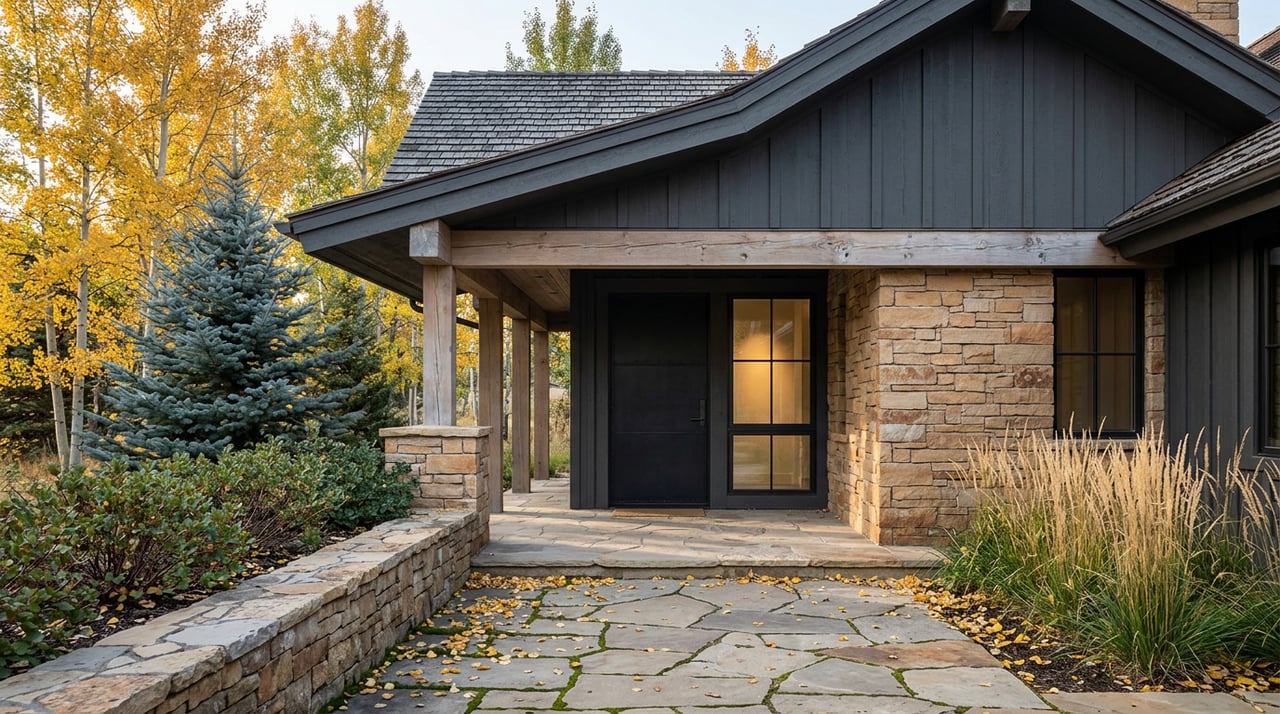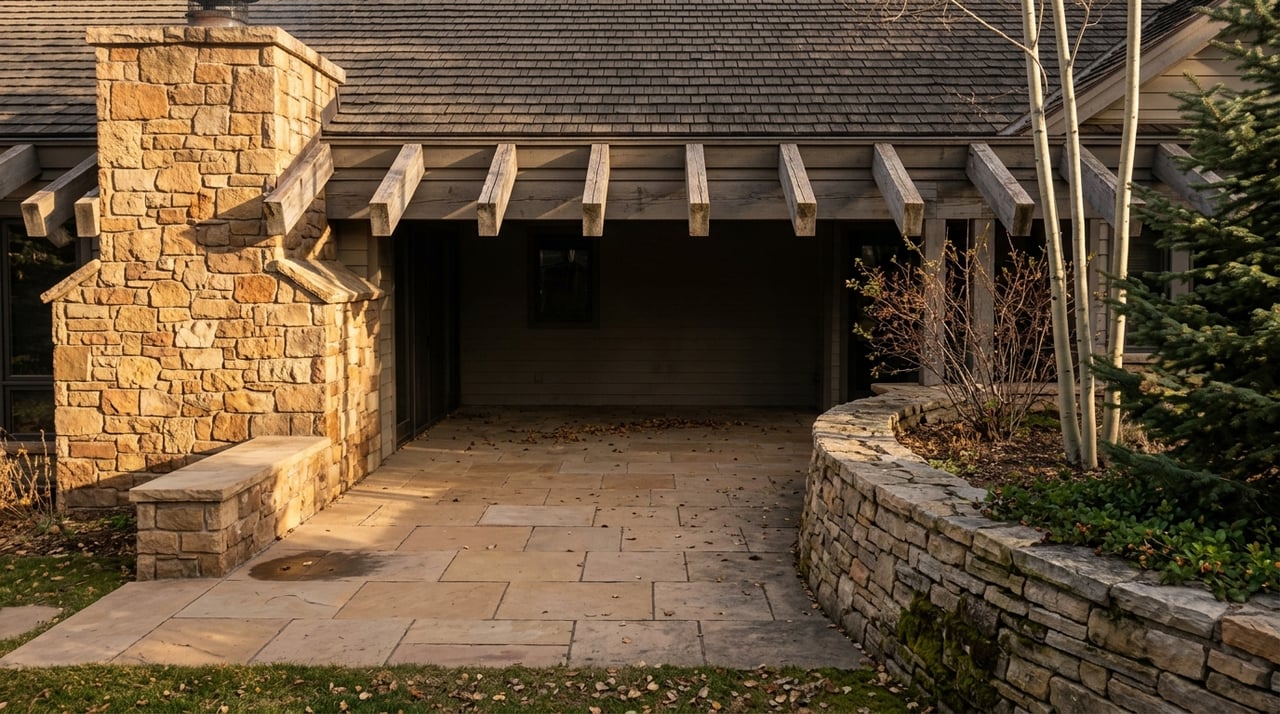
In June 2026, a studio condo at 361 Robinson St closed for $625,000. That same month, a four bedroom estate on Hillside Drive closed for $6.875 million. Both sales count toward the same town's monthly numbers. Both are Basalt real estate. Neither one tells you anything useful about the other.
If you have been watching Basalt on the portals, you have probably seen the headline: median sale price up sharply over the past year. That part is true. It is also close to useless for figuring out what your own money will buy here, because the town's math right now is being driven by a small handful of closings spread across two very different products, and the gap between them is wide enough to swallow the "median" whole.
The Math Behind a Two-Sale Month
Basalt does not sell enough homes in a given month for a single median to behave the way it does in a bigger market. In the twelve months ending February 2026, Redfin's tracking of closed sales showed Basalt's median sale price up 17.3 percent to $1.4 million. Over that same stretch, median price per square foot, arguably the more honest measure of what a dollar actually buys, fell 20.3 percent to $727. Those two numbers moving in opposite directions is not a typo. It is what happens when the underlying sample is tiny: only two homes closed in the reporting month Redfin measured, down from three the year before. Average time on market for those sales stretched to 137 days, up from 37.
Two sales and three sales are not a market trend. They are a coin flip. If one of those two closings is a large hillside estate and the other is a small condo, the "median" jumps around based on which type of home happened to trade that particular month, not on whether Basalt buyers are paying more for the same square footage. A town this size can post a blockbuster median one month and a soft one the next without a single thing changing about actual demand.
Two Homes, One Median
The clearest way to see this is to look at what actually closed. Here are five Basalt sales recorded in June 2026, pulled from public closing records, with price per square foot calculated directly from the sale price and listed size.
| Address | Closed Price | Square Feet | Price per Sq Ft |
|---|---|---|---|
| 361 Robinson St #240 | $625,000 | 538 | $1,162 |
| 405 Park Ave #F-2 | $745,000 | 1,072 | $695 |
| 5202 Elk Ln | $1,100,000 | 1,420 | $775 |
| 753 Promontory Ln | $3,500,000 | 3,151 | $1,111 |
| 128 W Hillside Dr | $6,875,000 | 3,703 | $1,857 |
A sixth Basalt closing that same month, a $950,000 sale on Bishop Drive, did not have square footage listed in the public record, but the price alone put it right in the middle of this spread.
Notice what does not happen here. The cheapest total sale, the Robinson Street studio, does not have the lowest price per square foot. It has the second highest, at $1,162, because small efficient units almost always carry a premium per square foot no matter what town you're in. The most expensive sale, the Hillside Drive estate, carries the highest rate of all at $1,857. That home closed through Aspen Snowmass Sotheby's International Realty, the brokerage where I am a broker and co-owner, so I watched that file take shape from the listing side. It was priced the way it was because of the site and the finish level, not because Basalt land suddenly got more expensive across the board.
Between those two ends sit three very different homes at three very different rates. There is no clean line from "small and cheap" to "large and expensive." There is a scatter, and a townwide median flattens that scatter into a single number that doesn't describe any of the six actual transactions particularly well.
What This Means When You Write an Offer
Here is where this stops being trivia and starts being your money. Lenders order appraisals, and appraisers pull comps from whatever recently closed nearby. In a market with this few sales, and this much spread between them, the comp set an appraiser lands on can swing your file's outcome by a wide margin depending on which of those recent closings gets pulled.
If you're under contract on a mid-size single family home and the only two comparable closings in the file are a studio condo at $1,162 a square foot and a hillside estate at $1,857 a square foot, neither one supports your number cleanly. That gap risk is real, and it shows up at the worst possible time, after you've negotiated a price and are waiting on the appraisal to confirm it.
The practical fix is to build a comp set tighter than the town average before you ever write the offer, matched on product type, size tier, and which pocket of Basalt you're in. Old Town Basalt's older Victorian-era stock, the newer construction in Willits, and the more suburban feel of El Jebel do not trade at the same rate, and treating them as one market is part of how buyers end up surprised. Basalt's growth over the past several years has clustered heavily in Willits, where new floor plans and updated systems have pulled expectations upward there in particular, which is exactly the kind of local detail a townwide median can't show you.
The Sellers Are Already Adjusting
The sold-side numbers through February told a story of thin, slow, expensive closings. By July 2026, the listing side was telling a calmer one. Median list price per square foot was down 7 percent from July 2025, and the typical Basalt listing was going under contract in 73 days, 16 percent faster than the year before.
Read those two data points together and a clearer picture forms. The 137 day average time on market that showed up in the sold data reflects homes that sat through a slower winter stretch before they finally traded. By summer, sellers had recalibrated. Pricing came down slightly on a per-square-foot basis, and homes priced correctly out of the gate were moving faster, not slower. That's not a market accelerating. It's a market correcting toward a level buyers will actually pay, which is a healthier signal for anyone shopping right now than a headline median suggests either way.
What to Actually Ask
If you're comparing Basalt to Aspen or Snowmass on price alone, the honest answer is that Basalt's number depends entirely on which Basalt you mean. A buyer looking at a compact condo near town center is shopping a different price-per-square-foot market than a buyer looking at acreage on the hillside, and the town's aggregate median describes neither one well. The useful question isn't "is Basalt's market up or down." It's "which of Basalt's markets am I actually in, and what did the last two or three homes like mine really close for."
That's a narrower question than a portal headline can answer, and it's the kind of thing worth working through with someone who tracks these closings as they happen rather than after the fact. If you're weighing Basalt against the rest of the Roaring Fork Valley, I'd welcome the chance to walk through what your specific price point and property type actually look like right now. You can reach out through Garrett Reuss to book an appointment.
FAQ
Does a rising median price mean I'll pay more for a comparable home in Basalt?
Not automatically. Basalt's median moves a great deal based on which few homes happen to close in a given month, since sales volume is low enough that one large estate or one small condo can shift the number without reflecting a broader shift in what similar homes are trading for. The more reliable comparison is price per square foot within your specific size tier and neighborhood, not the townwide median.
How do I protect against an appraisal gap in a market with this few sales?
Start by pulling your own tightly matched comps before you write an offer, filtered by product type and sub-area rather than the whole town. Many buyers in thin markets like this also structure their contract with an appraisal contingency and keep some flexibility in reserve in case the appraisal lands below the negotiated price, since the comp set available to an appraiser may be just as thin as the one you're working from.
This article is general information, not legal, tax or financial advice. Consult a qualified professional about your situation.