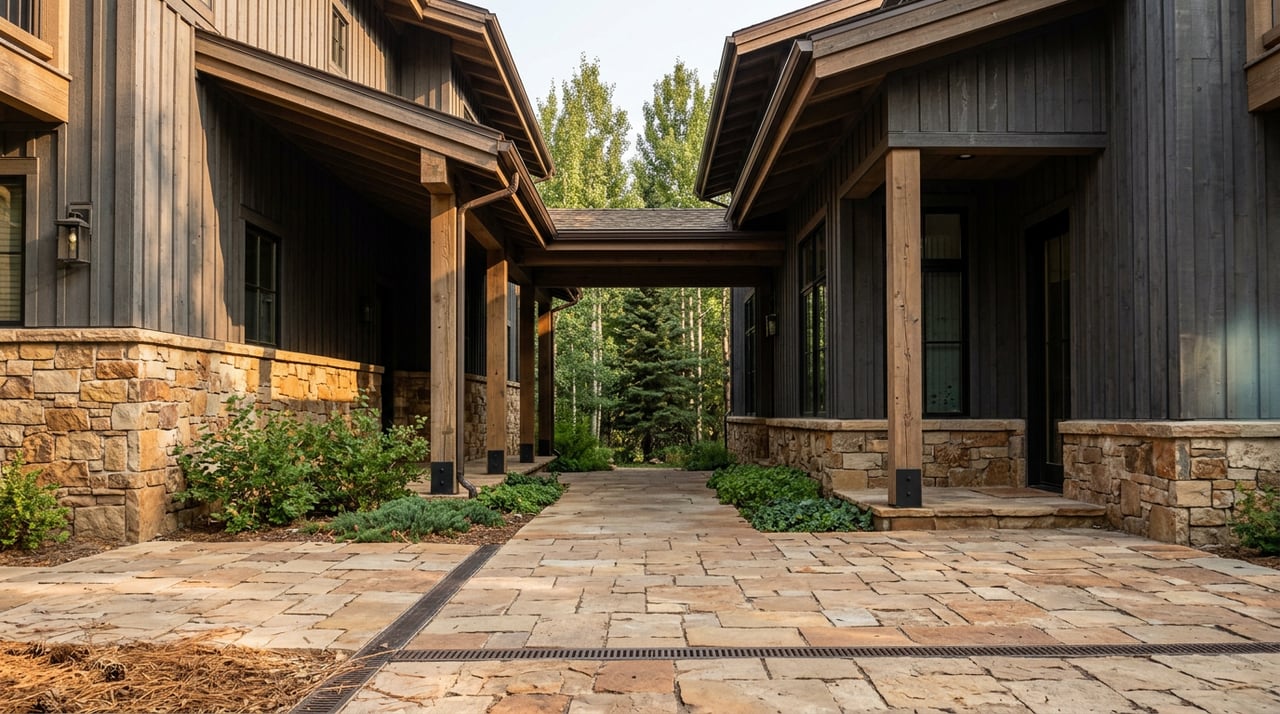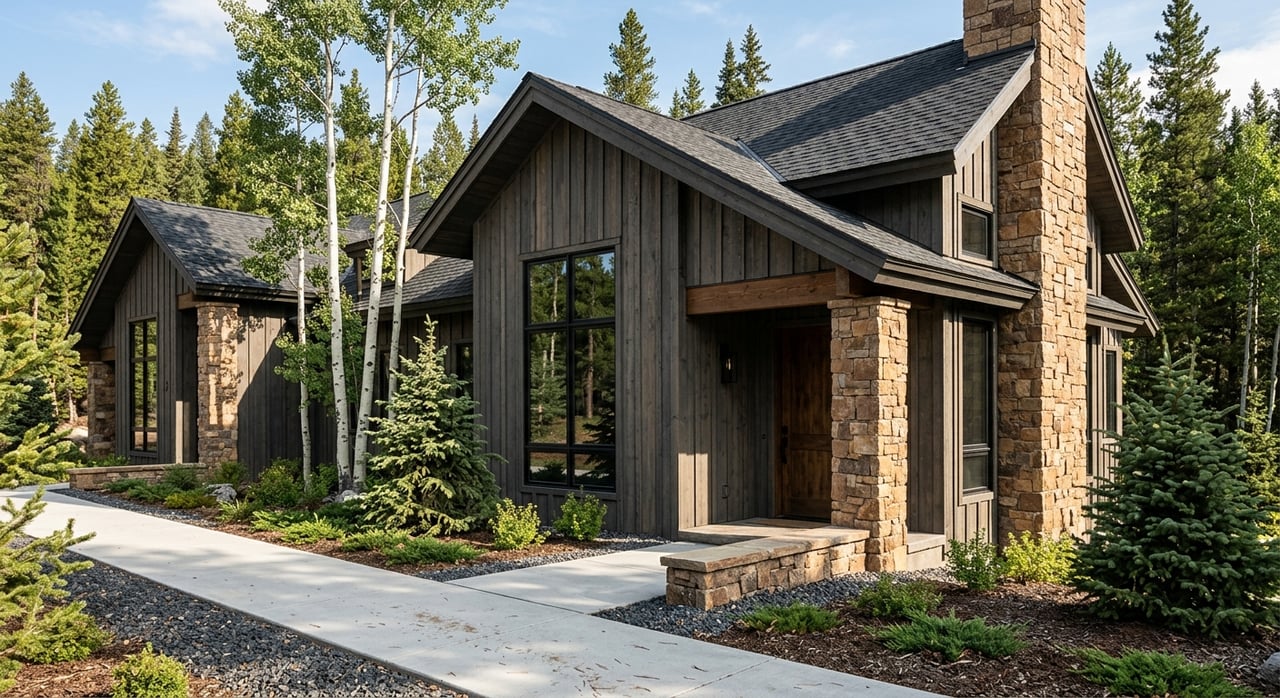
Are you picturing mornings in Aspen but still unsure whether a condo, townhome, or single-family home actually fits the way you live? That is a common question here, especially in a market where many homes serve different purposes, from full-time living to second-home use and seasonal stays. If you want to choose with more clarity, this guide will help you compare Aspen home styles based on privacy, maintenance, mobility, and day-to-day use. Let’s dive in.
Why home style matters in Aspen
Aspen is not a one-size-fits-all housing market. The city has a mix of permanent residents, second and third homeowners, and visitors, which means the right property often depends as much on how you plan to use it as on the size of the home.
That matters because your ideal setup may look very different if you want easy lock-and-leave ownership, more room for longer stays, or full control over your property. In a compact resort city like Aspen, convenience, upkeep, and access can shape your experience just as much as square footage.
Broad housing data also points to a market where smaller households and lower-friction ownership can make sense. Aspen’s 2024 ACS profile shows 1.62 persons per household, along with 6,152 housing units and 4,105 households, which helps explain why many buyers start by weighing lifestyle and maintenance before anything else.
Start with how you plan to use the home
Before you compare finishes, views, or bedroom count, think about your ownership pattern. Will you be here for weekends and holidays, longer seasonal stays, or full-time living?
That question can narrow your options quickly. If you want a simple base with minimal upkeep, attached housing may be a strong fit. If you want outdoor space, renovation flexibility, or a quieter sense of separation, a detached home may make more sense.
In Aspen, this is especially important because the housing stock serves both full-time and part-time owners. A home that looks perfect on paper can feel less practical if it does not match how often you will be here or how much hands-on management you want.
Aspen condos: easiest ownership, least control
For many buyers, condos are the simplest entry point into Aspen living. They usually offer the lowest day-to-day upkeep and the easiest lock-and-leave ownership model, which can be especially appealing if you split time between Aspen and another primary home.
This style also pairs well with Aspen’s transportation setup. The city supports low-car living through free shuttles, fare-free bus service between Aspen and Snowmass Village, a free bus to and from the airport, the Downtowner around town, and biking and walking options.
That convenience can make condo living feel efficient and easy, especially if you want to stay close to the core and avoid relying on a car for every errand. At the same time, parking in the downtown core is actively managed with time limits and meters, and condo parking terms may be governed by the HOA.
The tradeoff is control. Condos usually come with less privacy, more shared-space realities, and more reliance on HOA governance for parking, common areas, and some exterior decisions.
If your priority is convenience over autonomy, a condo may be your best fit. If you care most about quiet, private outdoor space, or making broad exterior changes, it is usually the weakest match.
Condo buyers should ask about
- HOA dues and reserve funding
- Parking assignments and guest parking
- Snow removal and exterior maintenance responsibilities
- Storage for skis, bikes, and seasonal gear
- Rules for renovations or improvements
- Rental rules and whether they match your intended use
Aspen townhomes: the middle ground
Townhomes often strike a balance between convenience and livability. Aspen’s land-use code treats townhomes as part of multi-family housing, which means they are still attached housing with shared-wall and HOA realities, even if they feel more house-like than a condo.
That middle-ground setup can work well if you want more room, more separation, and a more residential feel without taking on the full maintenance load of a detached home. For many buyers, that means better daily function for longer stays, guests, and mountain gear.
Townhomes can be especially appealing if you want a home base that feels practical for regular use while staying connected to Aspen’s walkable and transit-supported environment. They often offer a useful blend of space and ease, which is why they are worth serious consideration for second-home buyers and family-use buyers alike.
Still, they are not the same as owning a detached house. Shared walls, HOA oversight, and common maintenance arrangements remain part of the ownership experience, so it is important to understand exactly what is private and what is shared.
Townhome buyers should focus on
- How much interior and exterior space feels truly private
- What the HOA covers versus what you handle yourself
- Parking and overflow guest parking
- Storage capacity for gear and seasonal items
- Exterior and remodeling restrictions
- Whether the layout works for longer stays or guests
Aspen single-family homes: most privacy, most responsibility
If you want maximum privacy and control, a single-family home usually stands out. Aspen defines a detached residential dwelling as a single dwelling unit with open yards on all sides, which gives you a different ownership experience than attached housing.
For many buyers, that translates to more quiet, more room to spread out, and greater freedom around pets, outdoor use, and future renovations. If you want the feeling of owning the whole property, this style is often the clearest fit.
The tradeoff is responsibility. Detached ownership usually brings the most maintenance, including exterior care, snow management, and landscape logistics.
Even in a city with strong transit options, single-family homes tend to be the better choice for buyers who value autonomy more than convenience. If you want fewer shared decisions and more direct control over your surroundings, the extra upkeep may be worth it.
Single-family home buyers should review
- Exterior maintenance needs year-round
- Snow removal logistics
- Landscape upkeep responsibilities
- Parking setup and access
- Renovation potential and property-specific limitations
- How much hands-on oversight you want while away
Four filters that make the choice easier
If you want to narrow your search before touring, focus on four practical filters. In Aspen, these tend to reveal the best-fit property style faster than a long wishlist does.
1. Maintenance tolerance
Ask yourself how much work you want to own. If you want the least day-to-day responsibility, condos usually come out ahead.
If you are comfortable handling more logistics in exchange for more independence, townhomes and then single-family homes move up the list. This is often the first and most important filter.
2. Privacy needs
Think about how much separation matters to you. Condos typically offer the least privacy, townhomes offer more, and detached homes offer the most.
If peace, outdoor space, or distance from shared walls is high on your list, that can quickly point you toward a single-family property. If convenience matters more, attached housing may still be the better fit.
3. Car-light vs. car-dependent living
Aspen gives buyers more flexibility than many mountain markets. With free transit, downtown mobility options, and walkable pockets, some owners can comfortably live car-light.
That tends to support condos and some townhomes, especially for buyers who want easy access and less day-to-day driving. If you expect to rely more on private parking, direct access, or a more independent setup, your search may lean toward properties with stronger private infrastructure.
4. Rental flexibility
If rental use matters, ask questions early. Aspen requires a short-term rental permit for residential rentals of fewer than 30 days, and the city distinguishes between owner-occupied, classic, and lodging-exempt permit situations.
These rules apply regardless of whether the property is a condo, townhome, or single-family home. In other words, property style alone does not determine short-term rental flexibility, so you will want to confirm that the property’s rules and your intended use align.
Questions to ask before you tour
In Aspen, practical details can matter just as much as the floor plan. Before you spend time touring, it helps to get clear answers on the issues that affect ownership most.
Ask about:
- HOA dues and reserve strength
- Snow removal responsibilities
- Exterior maintenance responsibilities
- Parking and guest parking rules
- Ski, bike, and gear storage
- Renovation restrictions
- Rental rules and permit considerations
These questions can save time and help you compare homes more accurately. Two properties with similar price points may offer very different ownership experiences once you look beyond the listing photos.
Which Aspen home style fits you best?
If you want a simple, low-maintenance base for frequent getaways, a condo may be the strongest match. If you want a more house-like feel without full detached-home responsibilities, a townhome can offer a smart middle ground.
If you want privacy, site control, outdoor space, and more freedom to shape the property over time, a single-family home is usually the best fit. The right answer depends less on what sounds impressive and more on how you want your Aspen home to work for you.
That is where local guidance matters. In a market as nuanced as Aspen, the most successful buyers start with lifestyle, usage, and practical ownership realities, then match those needs to the right property type.
If you are weighing condos, townhomes, or single-family homes in Aspen, Garrett Reuss can help you compare the real tradeoffs and find a property that fits the way you actually want to live.
FAQs
What is the easiest home style to maintain in Aspen?
- In Aspen, condos are usually the easiest to maintain because they tend to offer the lowest day-to-day upkeep and the simplest lock-and-leave ownership model.
How does Aspen define a townhome compared to a house?
- Aspen’s land-use code treats townhomes as multi-family housing, which means they are attached homes with shared-wall and often HOA-managed realities, unlike detached single-family homes with open yards on all sides.
Are Aspen condos a good fit for car-light living?
- Aspen condos can be a strong fit for car-light living because the city offers free shuttles, fare-free regional bus service, airport bus service, and walkable and bike-friendly options.
Do Aspen short-term rental rules depend on property type?
- Aspen requires a short-term rental permit for residential rentals of fewer than 30 days, and those rules apply whether the property is a condo, townhome, or single-family home.
What should you ask before touring an Aspen townhome or condo?
- Before touring an Aspen attached home, ask about HOA dues, reserve funding, snow removal, exterior maintenance, parking, guest parking, gear storage, renovation rules, and rental restrictions.
When is a single-family home the best choice in Aspen?
- A single-family home is often the best choice in Aspen when you want the most privacy, more direct control over the property, outdoor space, and greater flexibility for long-term use or renovations.