If you picture your Snowmass getaway, do you see a quick ski weekend with almost no chores, or long mountain stays with room for everyone to spread out? That question sits at the heart of the condo-versus-home decision in Snowmass Village. If you are buying a second home here, the right fit usually comes down to how you plan to use the property, what level of upkeep you want to manage, and how important privacy, access, and flexibility are to you. Let’s dive in.
Why Snowmass Village Works for Second Homes
Snowmass Village offers a setup that appeals to many second-home buyers. It is a home-rule municipality in Pitkin County, includes Snowmass Ski Resort, and even has a Part-Time Residents Advisory Board for second homeowners. That says a lot about how important seasonal ownership is to the community.
The village also makes car-light living easier than many mountain towns. You can use the free Village Shuttle to reach most locations in town, take the Sky Cab gondola between Snowmass Mall and Base Village, and ride free year-round RFTA buses between Snowmass Village and Aspen. For many owners, that transportation network adds real convenience, especially when you want to arrive, settle in, and spend more time enjoying the resort.
Snowmass also brings together many of the daily comforts second-home buyers want nearby. The resort core includes dining, shopping, entertainment, and seasonal gathering spaces like the Base Village ice rink. Aspen Snowmass also describes Snowmass as a year-round family resort, with 95% of lodging being ski-in, ski-out.
Condos Favor Convenience
If your ideal second home is easy to lock up and leave, a condo often makes the most sense in Snowmass Village. Colorado defines a condominium as a common-interest community where you own your unit separately while sharing ownership of common areas with other unit owners. In that structure, the association is generally responsible for maintenance, repair, and replacement of common elements, while you are responsible for your unit.
That ownership model matters because it often reduces the number of day-to-day property concerns you handle on your own. HOA governing documents also set maintenance obligations, assessments, insurance requirements, and rules. Before you buy, those documents are essential because they shape how the property actually functions in practice.
Snowmass condos are especially well suited to resort living. Local examples show a strong pattern of ski-in, ski-out access and service-oriented amenities. Depending on the property, that can include furnished units, on-site staff, front desk service, shuttle service, ski storage, pools, hot tubs, covered parking, valet parking, concierge service, fitness areas, and steam rooms.
For many buyers, that package is hard to beat for shorter stays. If you want to fly in for ski weeks, enjoy easy access to the lifts, and avoid worrying about exterior maintenance, a condo can feel streamlined and predictable. It is often the cleanest match for buyers who value convenience first.
Condo Benefits for Snowmass Owners
Here are some of the biggest reasons buyers choose condos for second homes in Snowmass Village:
- Easier lock-and-leave ownership
- Shared responsibility for common-area maintenance
- Frequent ski-in, ski-out access near the resort core
- Amenity-rich living with pools, hot tubs, parking, and guest services
- Convenient access to Base Village, the Mall, shuttle routes, and village activity
Condo Tradeoffs to Review
Convenience comes with structure. Because condos are part of common-interest communities, you need to review the declaration, bylaws, policies, and rules before assuming the property will work like a hotel-style retreat. Those documents can affect use restrictions, assessments, insurance obligations, reserve requirements, and maintenance responsibilities.
That review is especially important if rental income is part of your plan. A condo may offer the right location and amenity mix, but the governing documents still control what is allowed at the community level. In Snowmass, the details matter.
Homes Offer More Space and Privacy
If your second home is meant for longer visits, larger family gatherings, or a quieter residential setting, a detached home may be the better fit. Snowmass Village includes established residential subdivisions outside the condo-heavy resort core. The town specifically names areas such as Wood Run, Ridge Run, Melton Ranch, Snowmass Club, and Horse Ranch in its road-maintenance FAQ.
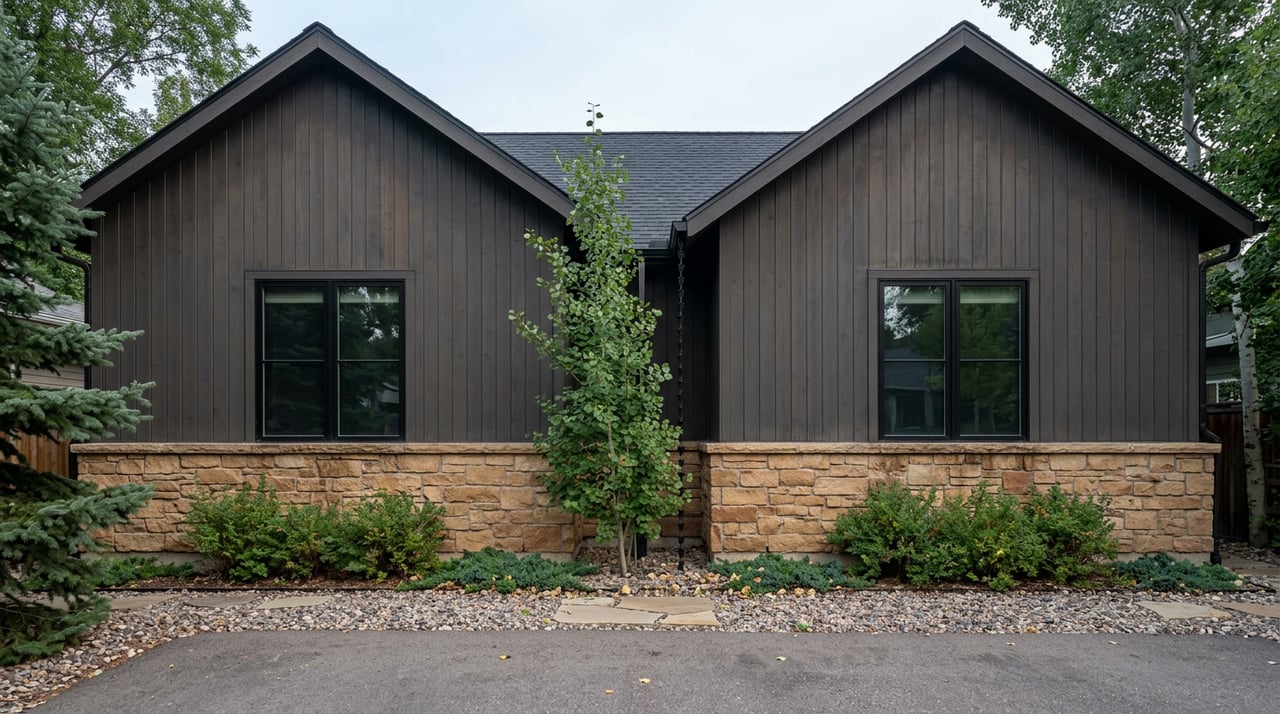
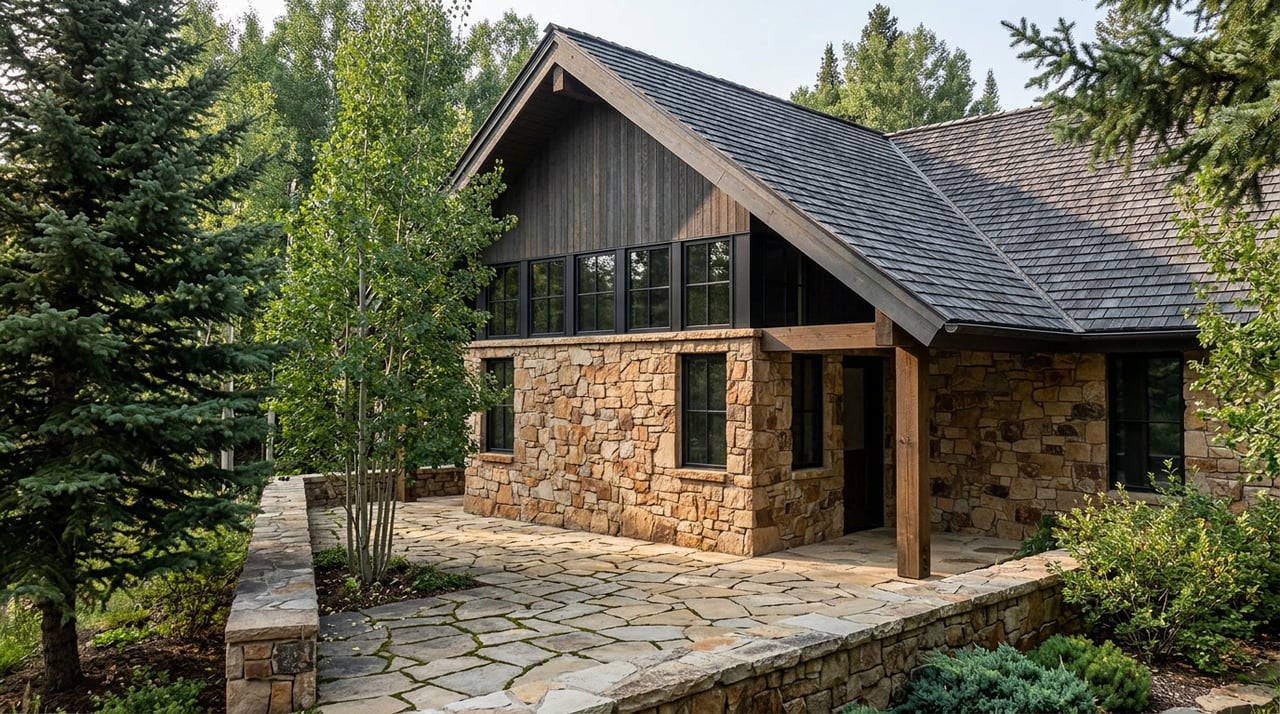
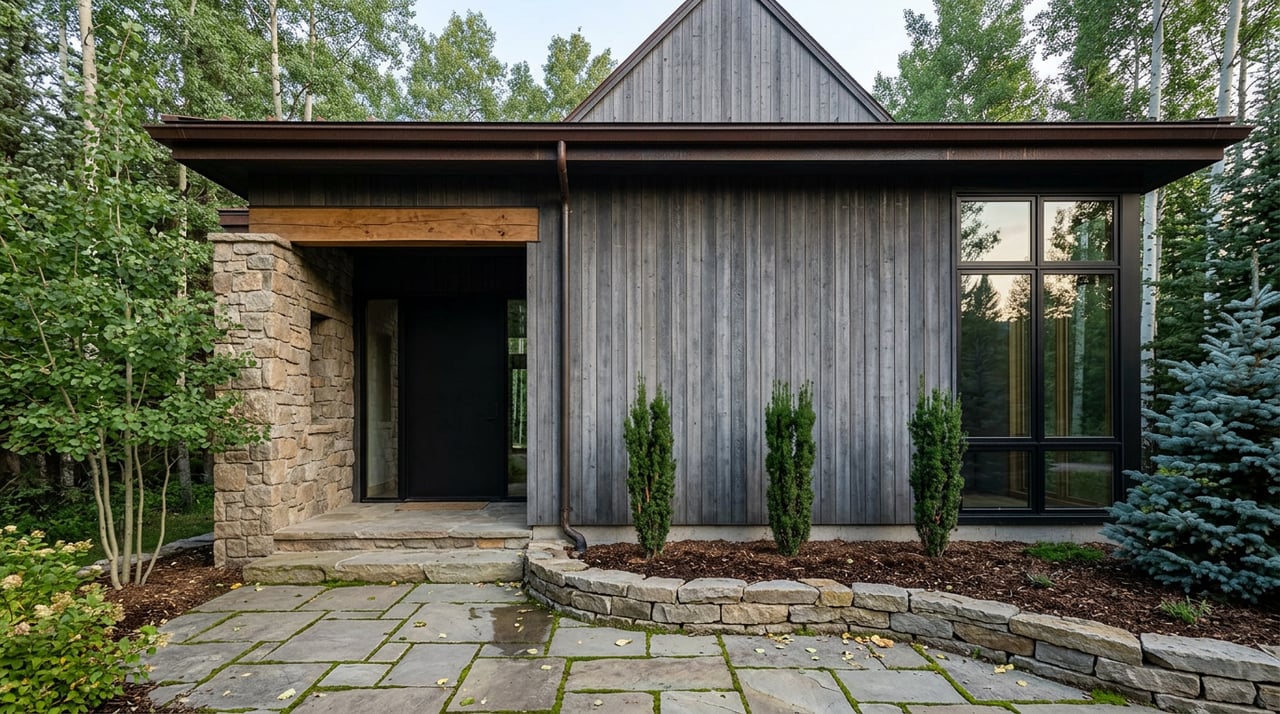
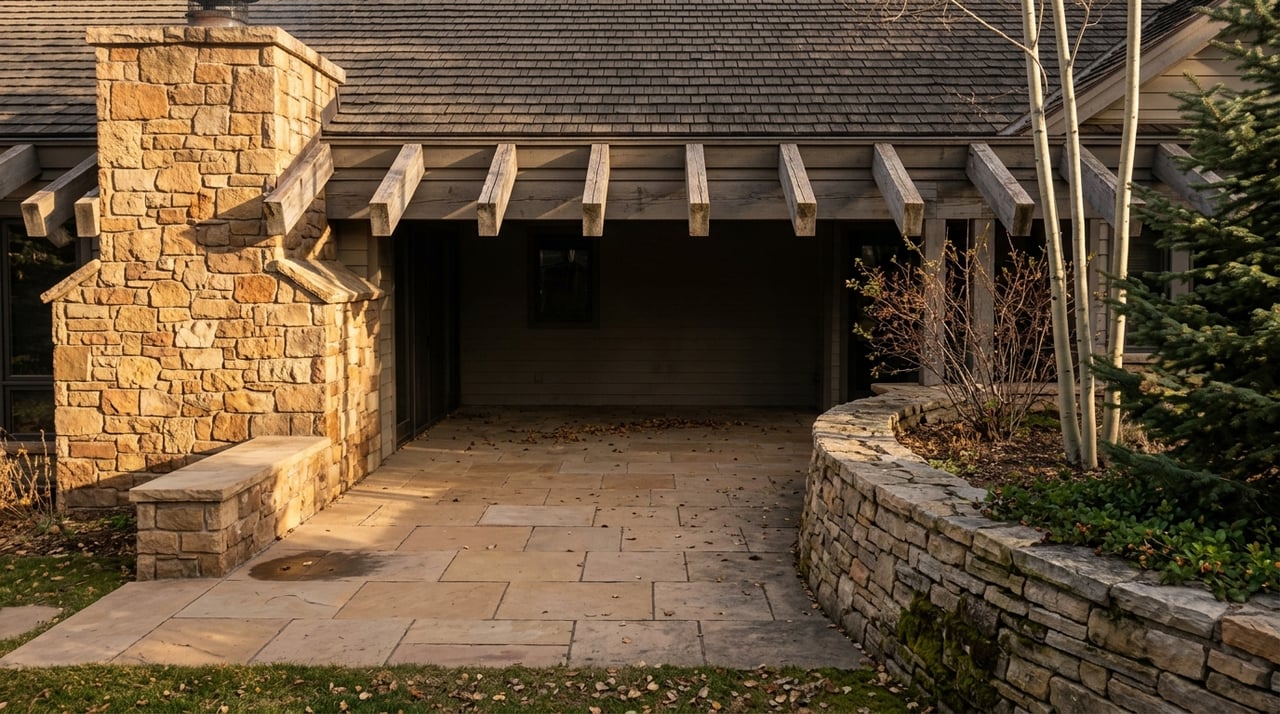
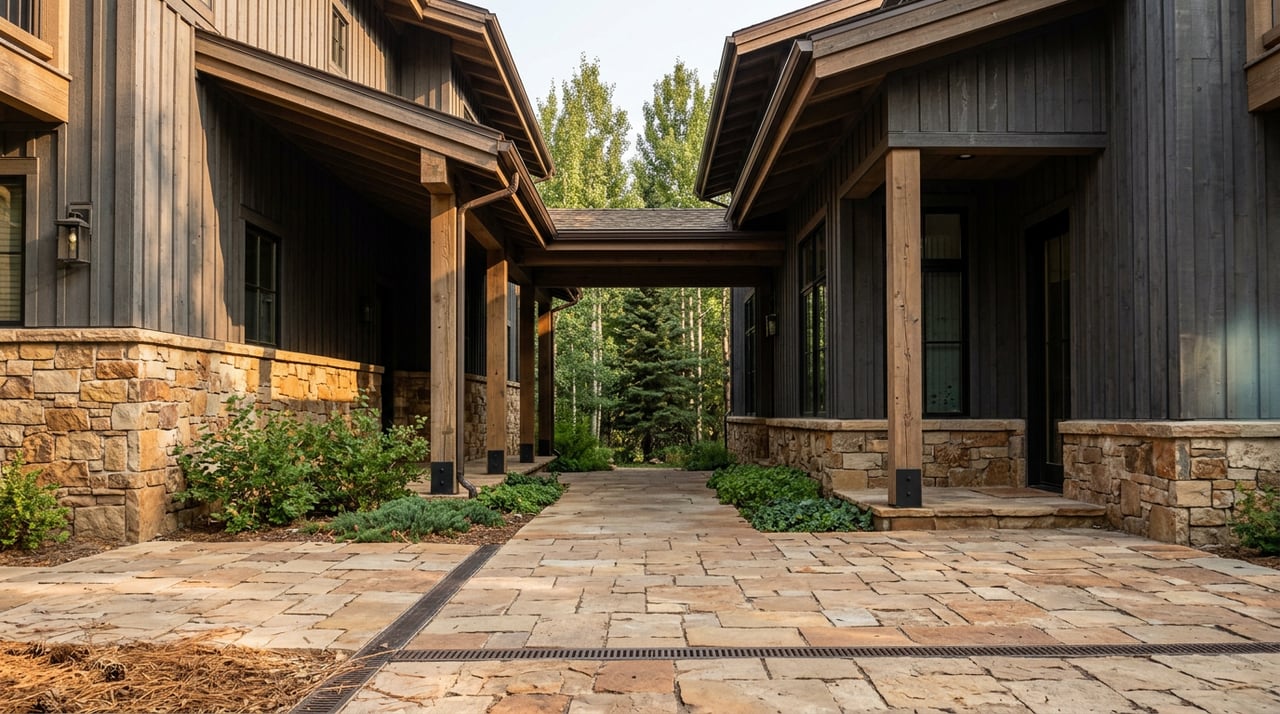
A detached home often gives you more privacy and more control over your immediate site. You may have more separation between bedrooms, more flexible indoor and outdoor gathering areas, and a setting that feels more residential than resort-oriented. For extended summer stays or multi-generational trips, that extra breathing room can be a major advantage.
At the same time, home ownership usually brings more direct upkeep. Compared with condo ownership, a detached property often shifts more responsibility for exterior care, driveway management, landscaping, and winter access to you. In a mountain setting like Snowmass, that is not a small detail.
Winter Logistics Matter More With Homes
Snowmass's winter conditions are one of the clearest reasons to think carefully about the home-versus-condo choice. The town says at least 10 unobstructed feet on either side of the pavement are needed for snow storage. It also notes that plows can leave a windrow in front of driveways, and that some residential streets are prioritized based on traffic, public safety, bus routes, and emergency access.
In plain terms, detached-home ownership often requires more winter planning. If you are not in town full-time, you will want to think through how snow removal, driveway access, and exterior conditions will be handled during storms and between visits. A beautiful house can be a great fit, but only if the practical side matches your ownership style.
Home Benefits for Second-Home Buyers
Detached homes often appeal most when your priorities include:
- More privacy from neighboring properties
- Greater site control
- Flexible space for extended family visits
- Better separation for multi-generational stays
- A more residential feel outside the resort core
How to Match Property Type to Use
In Snowmass Village, the smartest choice usually comes down to use pattern rather than property type alone. A condo is not automatically better because it is easier, and a home is not automatically better because it is larger. The right answer depends on how you actually plan to live there.
Best for Lock-and-Leave Ski Weeks
A condo usually stands out for short ski-focused trips. Many Snowmass condo properties combine ski-in, ski-out access with bundled amenities and services that support easy arrivals and departures. If you want a second home that feels almost turnkey when you show up for a long weekend or holiday week, this option often checks the most boxes.
Best for Extended Summer Stays
A detached home often fits better if you plan to spend longer stretches in Snowmass. More privacy, more room to host, and a quieter residential setting can make a real difference when your stay lasts weeks rather than days. That said, condos can still work well if staying close to Base Village, the shuttle, and the resort core is your top priority.
Best for Multi-Generational Travel
Larger condos in Snowmass can absolutely work for family travel, since local inventory includes multiple-bedroom layouts. Still, homes usually provide more separation and flexibility for longer stays with several generations under one roof. If the goal is to give everyone their own space while keeping the household together, a detached property often has the edge.
Rental Rules Can Affect Your Decision
If you want the option to rent your property for shorter stays, make sure you start with the town's rules. Snowmass Village requires a business license and a short-term rental permit to rent a dwelling for fewer than 30 consecutive days. The town divides permits into categories for hotels, two multi-family categories, and single-family homes and duplexes.
As of December 30, 2025, those permits expire every April 30, and the permit fee is $400. That means short-term rental potential should never be treated as a simple assumption. You need to confirm both the town permit category and, for condos, any HOA restrictions that may affect how the property can be used.
Snowmass Lifestyle Details to Remember
Some of the most important second-home details are not glamorous, but they can shape your ownership experience. In Snowmass Village, there is no mail delivery within town limits, so residents use P.O. boxes. Depending on the neighborhood, you may also need a parking permit.
These are small items, but they are part of the real operating picture of owning here. The same goes for proximity to shuttle stops, Base Village, the Mall, and lift access. A well-matched second home should support the way you want to spend time in Snowmass, not just look good on paper.
The Bottom Line for Snowmass Buyers
For many second-home buyers in Snowmass Village, condos win on convenience, resort access, and easier lock-and-leave ownership. Detached homes usually win on privacy, space, and flexibility for longer stays. Neither option is better across the board.
The key is to weigh your actual travel pattern, your comfort with upkeep, your need for privacy, and any rental goals before you buy. That is where thoughtful local guidance becomes valuable, especially in a market where winter access, HOA documents, and permit rules can meaningfully shape the ownership experience.
If you are comparing condos and homes in Snowmass Village, Garrett Reuss can help you evaluate the tradeoffs with clear local insight and a high-touch approach tailored to how you plan to use the property.
FAQs
What makes condos appealing for second homes in Snowmass Village?
- Condos often appeal to second-home buyers in Snowmass Village because they typically offer easier lock-and-leave ownership, shared common-area maintenance, and convenient access to lifts, Base Village, and shuttle service.
What should buyers know about detached homes in Snowmass Village?
- Detached-home buyers in Snowmass Village should plan for more direct responsibility around exterior upkeep, driveway care, snow removal logistics, and winter access.
How do short-term rental rules work in Snowmass Village?
- Snowmass Village requires a business license and a short-term rental permit for rentals of fewer than 30 consecutive days, with separate permit categories for different property types.
What HOA documents matter when buying a Snowmass Village condo?
- When buying a condo in Snowmass Village, you should review the declaration, bylaws, policies, and rules because they govern maintenance obligations, assessments, insurance requirements, reserve requirements, and use restrictions.
Is it easy to get around Snowmass Village without driving?
- Snowmass Village supports car-light living with a free Village Shuttle, the Sky Cab gondola between the Mall and Base Village, and free year-round RFTA bus service between Snowmass Village and Aspen.
What local details should second-home buyers remember in Snowmass Village?
- Second-home buyers in Snowmass Village should remember that residents use P.O. boxes because there is no mail delivery within town limits, and some neighborhoods may require parking permits.